Classless in Wisconsin

Standard

The calendar and thermometer have been arguing about whether it’s really spring here in northeast Wisconsin. The calendar, who happened to major in English, has already written this year’s story and insists that we are just a Memorial Day away from unofficial summer. The thermometer, a math geek, sees the world in numbers, and kindly pointed out this morning that the number at 6 a.m. was 36 degrees. My heart is with the calendar, but my feet side with the thermometer.

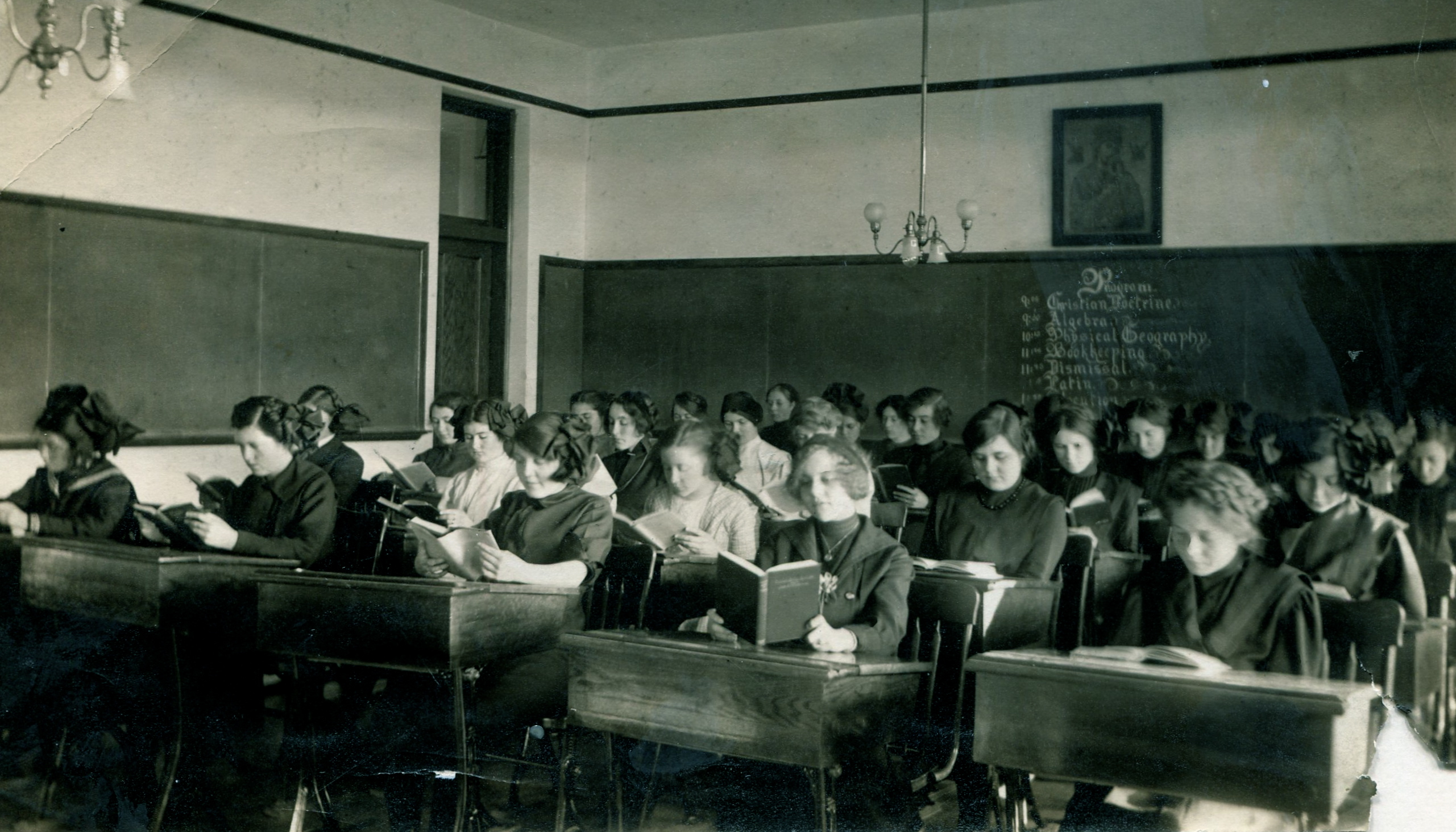
Classroom 1900's

Be that as it may, could, would, or should, my school semester has ended, the papers and tests have been marked, and the grades put in. Now that I am no longer  teaching, you could say I was “classless.” (And you would not be the only one to say so.) For the next two months I plan to read, write, loll around, dither, wander and meander, and practice retirement.


However, since I believe that you’re never too old to learn something new, or too young to learn something old, or even too new to know now what you didn’t know then, I am looking into summer classes that I will not only enjoy but will also be able to apply toward maintaining my certification credentials.


(The 56-word sentence above, masquerading as a paragraph, gives me secret pleasure because while I don’t allow my students to get away with that kind of writing, I let myself get away with it. We teachers get our pleasures where we can.)


I found one writing class, which satisfies both my interest and my certification needs, but I have been hoping for another. So far I haven’t found anything, but I did create a wish list of classes I would be interested in.


  • Risk Management and Interplanetary Scandinavian Studies


  • Therapeutic Zoological Phonemes in the Writing of Dr. Seuss


  • Urban Uterine Ultrasound Graffiti


  • Astro-Psychology of Real and Unreal Estate


  • Obstetrics Music Performance
  • Electrical Entomology
  • Microscopic Macro Studies in Micro-Linguistic Microcosmic Microwave Microchips in Microbiology


  • Slavic Plant Pathology and Philosophy


  • Genealogical Genomes in Gender Genuflection


  • Ethics of Folkloric and Gnomic Engineering


  • Bovine Dance Studies


  • Collaborative Dolphin Engineering
  • Chicana/o Environmental Accounting Literature


  • Art History of Post-modern Horseshoes

If I can’t find anything else this summer, I guess I will have to wait until next year when I am classless once more.

 Classroom Photo

Windbreaking News: White-collar crimes

Standard

My imagination has been investigating the case of Maureen O’Connor, the felonious former first female mayor of San Diego, who “donated” two million dollars from a philanthropic foundation to a number of casinos she frequented. Apparently, she misunderstood what the casinos meant when they told her they “worked with” people who have gambling addictions.


Ms. O’Connor’s attorney, Eugene Iredale, had this to say:

 This was not, we think, a psychiatric problem or a characterological defect because there is substantial evidence that during this same time, there was a tumor growing in her brain, in the centers of the brain that affect and control, logic, reasoning and, most importantly, judgment.


Due to these extenuating circumstances, Ms. O’Connor will undoubtedly receive a lighter sentence. However, word has leaked out (snuck out by my imagination from the unexplored part of my brain) that her lawyer, Mr. Iredale, is facing charges of his own.


Like his client, Mr. Iredale is being accused of misappropriation. In her case, it involves money and affects a limited number of people; in his case, it involves suffixes and affects all of us.


n080053


As an attorney, Mr. Iredale has long lived in a lavish environment of polysyllabic diction (lots of big words) and now feels compelled to include at least one seven-syllable word every time he talks, even if it means stealing suffixes from legitimate, hardworking words. In the article on the CNN website, Mr. Iredale (now incurring ire over dale and hill) sticks a stolen “-ological” onto “character” and comes up with “characterological defect.” His crime may affect millions. Now that he has put that so-called word on the internet, people may start using “characterological,” which will cause other people to want to poke their ears with sharp sticks; and those poked-out ear people will need otolaryngological help, which will only be available if that particular suffix isn’t stolen. Clearly, this man must be punished.


Several local groups have laid claim to the suffix that Mr. Iredale so wantonly pilfered. The local San Diego Archea-……. Center insists he stole it from them. However, the Gastroenterology Department of the San Diego Mercy Hospital contends that the suffix belongs to them. Dr. Gutzman, head of the department and the man leading the probe into what happened to the tail end of their medical word, says he has been unable to treat any gastroenter-…….. problems since Iredale’s “appropriation.” In addition, Morton Liebig, has brought suit against Iredale. “I’ve been a path-……. liar all of my life, and since that article appeared on the CNN website, I have been diagnosed with WCTS (Washington’s Cherry Tree Syndrome) and can no longer tell a lie. I’m a lawyer, too, and now I’m out of work.”


The court, of course, will have to sort through these claims and make the final decision as to whose suffix Mr. Iredale stole.


According to sources in my own living room, Mr. Iredale plans to have an MRI to check the part of his brain that affects and controls “logic, reasoning, and most importantly, judgment.”


Ironic, no? Or as Mr. Iredale might say, “Ironicological, isn’t it?”


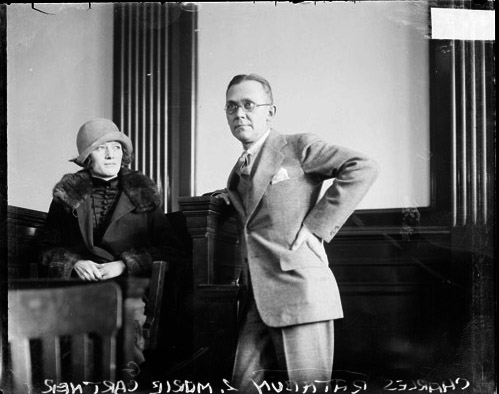
Photo: DN-0080053, Chicago Daily News negatives collection, Chicago History Museum.


Unclichéd

Standard

According to me, clichés, once très nouveaux, began life as bon mots, lighting up conversations like small flambeaux, small feathers in speakers’ verbal chapeaux, as tasty as escargots. But, alas, alack the day, they grew stale, worn, dim, left as empty shells on the conversationalists’ dinner plate, having had their meat carefully extracted years ago.


CloseUp

The matrix.

According to reliable sources (not me), printers are responsible for the first clichés, French for the stereotype blocks used to make books, pamphlets, and advertisements. Cliché, past participle of clicher, is derived from cliquer, the sound you know in English as “click.” After setting type, printers used pressure or heat to create a copy on heavy paper, plaster of Paris, or felt. They placed this copy, known as a matrix or mat, in a casting box, poured molten metal in, and voila, created a stereotype that could print endless copies of the original.


The stereotype.

The stereotype.


If you’re like me (and if so, please send my condolences to your family), you read that last paragraph and something in you clicked. Cliché, stereotype, casting – are we heading into a post about Hollywood movies? No, not today.


I have a soft spot in my heart for clichés. They remind me of photos of people in Wal-Mart. With a haircut, more clothes, and intensive therapy they would look just fine.


So, without further hellos, or as Shakespeare would surely say, without further ado about nothing, or as so many Americans mistakenly say, without further adieu, here are my suggestions.


At the crack of dawn could be the dawn-crack (much like daybreak) or dawn’s crack. Example: The minute I saw dawn’s crack, I knew it was time to leave. (Note: If your name is Dawn and you visit Wal-Mart, I am not talking about you.)


Few people cry over spilled milk, but many parents cry over spilled red Kool-Aid.


Since people are busier these days than they used to be, help in your hour of need needs to be reduced to your half-hour of need. The internet-addicted could stand by people in their five minutes of need.


We could give last but not least a rest and start using first but not most.


Climbing the ladder of success could be restated for the rich and powerful as stepping on the escalator of success.


The two clichés using “sad” need antonyms. Sad but true provides happy but false, and sadder but wiser gives us happier but stupider. Example: Yearstricken lost hours of her life clicking on links to funny tweets and lolcats, leaving her happier but stupider.


And finally, when people are clearly not worth their weight in gold, we could at least allow that they are worth their weight in aluminum.


Photos:

Stereotype: http://digital.nls.uk/50years/pops/1971b.html

Matrix: http://the-print-guide.blogspot.com/2010/05/wayback-view-stereotype-plate-making.html

Frequently Not Asked Questions: Three

Standard

Why is your hair still brown?


First, let me say that I have never seen or heard of the color “still brown,” so I cannot answer your question.


However, since you asked and made me look, I checked online and discovered that a number of stills are, in fact, brown. My hair color is very close to the still used to make Ukrainian vodka that is pictured in Wikipedia, kindly offered to the world by Arne Hückelheim. So that answers the question you didn’t ask: Is your hair still brown? The answer is yes; however, I much prefer that you call it moonshine brown.


Now back to your question. What exactly are you trying to imply? Are you interested in probability theory? Did you suddenly notice the green grass in the picture of the vodka still and realize that I have green eyes? Do find that odd? Or is it just me? More importantly, shouldn’t that last question really be: Or is it just I?


Naturally (and that’s what were really talking about when we speak of hair color) all those minor questions lead to the ultimate question: What are the odds of having both brown hair and green eyes?


I don’t mind answering that question, but if that is what you are asking, I wish you would have come out and asked me that in the first place.


As you know if you have ever taken Biology 301 Biomathematics at the University of British Columbia, Dr. Sarah Otto asked her students that very question in her lecture notes and gave a simple formula to discover the answer based on Bayes’ Rule.


P(B|A) = P(B) P(A|B) / P(A)


If you are like Dr. Otto, you probably understand this; if you’re like me, you don’t. To me, it looks like someone stuttering in math.


(Oddly, the motto at UBC is “a place of mind,” written in lowercase letters. Apparently the Biomathematics department took all of the capital letters to use in its program, so none were left for the motto. The world is full of these small sorrows.)


Third (and this is my last attempt to answer your question), I entered the world with dark brown, almost black hair. Somewhere along the way, I lost it and started wearing blond hair. In adolescence I grew tired of that, looked in the mirror one day and noticed I was a brown-haired girl, the literal meaning of brunette, so I forsook blondism. My freshman year in high school, I grew nostalgic, remembered the fun I had as a child and bleached my hair blonde. I didn’t have more fun, so my sophomore year I returned to my roots and went au naturel, hairwise.


Fourth, if you must know, my hair color is merely a pigment of my imagination.


Bang! Bang!

Standard

Do you like to scream? Do you enjoy gasping? How about startling others? Do you have vehement enthusiasm that you want to share with the world? Or do you just like to boss other people around?


If you answered yes to any of those questions, I imagine your writing or typing has bangs.


Bang is one of the exclamation point’s informal names. According to Wikipedia, “dembanger” is another. However, I spent at least ten minutes Googling that word and couldn’t find any information about it, other than simple definitions that all mirrored the Wikipedia article. (Note: Ten minutes on Google equals one year’s research.) None of the online dictionaries list it. Wordnik wants nothing to do with it and vehemently declares that it is not a valid word for Scrabble. Ouch! So, I have serious doubts about dembanger and suspect that it is a sly joke, slipped in by Koavf, Rich Farmbrough, Waacstats, Bearcat, Rjwilmsi, or Woohookitty, the top six editors on Wikipedia.


I do not doubt Thomas MacKellar though. According to his book ‪The American printer: a manual of typography: containing complete instructions for beginners, as well as practical directions for managing all departments of a printing office, the bang was called “the sign of admiration or exclamation” back in his day. That day was over 51,000 days ago, which is to say, around 1870. (Admiration moment! Just reading that title makes little marks of admiration go off in my head! Long titles make me swoon!)  MacKellar says “the sign of Admiration…denotes surprise, astonishment, rapture, and the like sudden emotions of the mind, whether upon lamenting or rejoicing occasions.” Sounds elegant, doesn’t it?


Most grammar guides and stylebooks ask the writer to refrain from showing too much admiration. Use your words, not your marks, they tell us. So you can imagine my surprise (!) when I came upon not one but two marks of admiration in a book by Nancy Etcoff who somehow managed to write a book in spite of having her hands full. She holds both an M.Ed. from Harvard and a Ph.D. in psychology. In the past, she held a post-doctoral fellowship in brain and cognitive sciences at MIT. How she managed to write anything at all is a wonder. I can only imagine she had to set those things down at some point so she would be able to type. Her book, Survival of the Prettiest, looks at beauty from an evolutionary standpoint, although you might have guessed that from the title. I found it thought-provoking. However, if you’re like me but trying hard not to be, you might startle the first time she goes Bang! on page 23. When she goes Bang! again on page 51, you may start wondering if you have accidentally wandered into a Western. Don’t worry, there’s no more shooting after that.


I can’t deny that it shook me up. Exclamation points! In a non-fiction book! What next?!


Exclamation marks used to be harder to make. On the old typewriters, you had to hit the single quotation mark, go back one space and hit the period. Now you can hit the bang sign with no extra effort. Still, I think it’s a good idea to watch your bangs. They may not get into your eyes, but they can get into your reader’s eyes.


If you use them a lot, talk to your grammar doctor. They’re terminal, you know. Some people who overuse them learn to stifle their admiration and practice restraint. Others don’t care; they live large and prefer to end with a bang. You may be one of them, but not me!

Who am I?

Standard

I don’t know who I am these days. I have been married to the same man for over 30 years, and he thinks he has been married to the same woman for the exact amount of time. (You’re not going to believe this crazy coincidence: we both got married on the same day!  Just one more sign we were meant for each other.)


I have always thought of myself as a small woman with a talent for getting older. Although I have not always liked who I am, I haven’t doubted who I am. Until now.


We don’t have cable TV, partly because we don’t have that much time or interest, and partly because we are more interested in saving our money. But sometimes when I exercise on the treadmill, I go to hulu.com to watch a TV show or documentary on my laptop.


Hulu features hundreds of old programs and many episodes of current shows. I have walked through miles of Alfred Hitchcock Presents and the Alfred Hitchcock Hour, along with a lot of other shows. Sometimes I watch the ads; other times I take my headphones off.


Recently, while watching a show, a Weight Watchers ad came on. Jennifer Hudson smiled at me and belted out, “You are me and I am you.” I looked down at my plaid pajama bottoms and green sweatshirt, then looked back up at Jennifer in her form-fitting black top and tight pants, compared my clunky white running shoes with her open-toed stilettos, and said, “Okay.” I continued belting out that song, while Jennifer slogged forward on the treadmill, and then I disappeared. When the show came back on, we switched places again. It was weird, but then I’m used to weird.


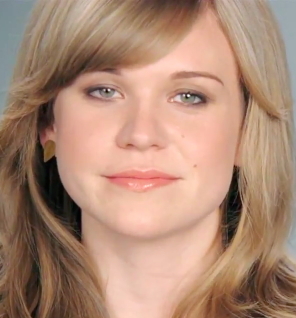
The other day, instead of Jennifer (who is me and I am her), a young blonde woman smiled at me and said, “I am you.” But before I had a chance to be her, a young brown-haired woman smiled at me and announced, “You are me.” That was beyond weird.


Needless to say it left me shaken, but not stirred. I feel like Jackie Chan in the movie Who am I? I sure hope I’m not him. I’m not up for all those action movie stunts.


I have to be one of four women, but I have no idea which one I am or which one is sleeping with my husband. Should I ask him? Should I contact Weight Watchers and ask them to send me home? Should I change my gravatar picture?


I had no idea that on Weight Watchers you lost not only weight but also your sense of identity. Will I have to join in order to find myself? I’m starting to miss me. Should I be alarmed that one of the anagrams for Weight Watchers is “Wager the Switch”? Or should I focus on the other anagram, “Great with Chews.”


I need help people.


(Note to Weight Watchers: I borrowed these pictures from your ad, and I’ll give them back in exchange for you know who.)

Potato grudges

Standard

When I was young I had a wart on my palm. Mother cut a potato in half, rubbed the wart, put the two halves of the potato back together with toothpicks, and threw it away. If you never see the potato again, she said, your wart will disappear.


I don’t think I’ll ever forget the look in that potato’s eyes as my mother stabbed it with those picks and then casually dropped it in the trash. I imagine it carried its grudge all the way to the city dump. Buried under garbage, it sprouted revenge. After writing its story in pollen, the potato wrapped it in some small white flowers, pushed the little envelops up through the trash, and waited for a passing bumblebee to stop and carry its tale of woe into the world. In this way, I believe it could spread its hard feeling.


My wart disappeared, but for decades now I have looked into the eyes of potatoes wondering if they recognize me, fearing they are related to that spurned spud. I suspect it was Thanksgiving 2010 when it happened. I pulled out a bag of potatoes and placed it on the counter. Then I busied myself at the sink, clearing out a spot so I could peel the potatoes. No one else was in the kitchen, but I had that odd feeling that someone was staring at me. I whirled around: nothing but that bag of potatoes. So I whirled the other way and picked up a small paring knife. Then I whirled back to face the bag. Protruding from the mesh was a small sprout like a pale white finger, pointing at me, accusing me. Dizzy from my whirling, I reached over and broke off the finger. That was my mistake. Now I couldn’t tell which potato was angry with me.


I couldn’t throw all of them out, so I took them out of the bag. Lined up next to the sink in their starched brown jackets, they all looked the same. As I washed them, I tried to appear calm and avert my eyes. Each one stared at me with a blank look that unsettled me because it reminded me of my husband, sitting in the living room on the couch, watching football. Was he part potato? He was getting lumpier with age. My mind reeled as my thoughts whirled; then I reminded myself that I had lived with him wart-free for thirty years; he couldn’t be related to that potato of long ago. That calmed me down. After I peeled the potatoes, I boiled them in hopes of softening them toward me. But I was so worked up by then that I mashed them in a frenzy before the meal.


Soon after that, I got a wart on my palm again. I don’t remember where on my palm the wart was when I was a young girl, but my imagination has been insisting all morning that this wart is in the very same place.


I’ve tried salicylic acid and vinegar-soaked cotton, and considered duct tape. Even though I fear revenge, using a potato appeals to me. My online research has revealed that many people use potatoes for wart removal, so maybe my story about how that childhood potato passed on its grudge is all nonsense. More likely all potatoes carry a grudge. That’s what comes from being so thin-skinned.


Let’s get this party started

Standard

Only three or four us kept our clothes on; the rest wore pajamas. The women in the blue pajamas brought the drugs and drinks, but you weren’t allowed to have any if you kept your street clothes on. My husband had his clothes on when he went through the door with the blonde-haired woman and came back wearing nothing but a beige, cotton bathrobe backwards. He was lying in a bed and had passed out from the drugs. That’s when they let me see him.


After twenty minutes, one of the women in blue shook my husband awake and asked him to fart. Really. I wouldn’t lie about something this serious. She didn’t say pass gas, she said fart. You can’t leave until you do, she said.


Then all around the room, people in their backwards bathrobes, rolled on their sides, unveiled their instruments and played the Symphony in B Flatus, also called Flatulence No. 2. I picked out the French horn; a loud, stuttering trumpet; the expressive vibrato of the oboe; the high notes of a violin slightly out of tune and sounding like a creaking door (which happened to be my husband); the staccato beat of a percussionist; and what sounded like the susurrations of the end-blown flute. The symphony had only one movement, but the blue pajama’d people never stopped waltzing around the room, now praising, now encouraging each instrumentalist to keep playing.


After the music stopped, they helped my husband into an easy chair and served him drinks. A man in pajamas with his face mask pulled down came over to talk to my husband. This man knew a part of my husband that I will never know.  Under the influence of the drugs, my spouse showed that man a side of himself that he has rarely shown anyone, except his mother, many years ago. Oddly, I didn’t feel jealous.


However, I grew tired after a while and convinced my husband to put his clothes back on. With my help, he got dressed, but we had to wheel him out to the car. He kept saying he was fine, but he couldn’t remember much of what he had done that morning or what he had said. I decided not to ask too many questions.


That’s what happens when you go to one of those colonoscopy parties, so let that be a warning to all of you who are considering going. Drugs make people do strange things, and people who dispense drugs make people do even stranger things, like making you stay at the party until you pass enough gas to fill several helium balloons.


The next day my husband was back to normal, although he told me the whole ordeal had left him feeling pooped.


Wealth by toothpaste

Standard

Would you like to become fabulously wealthy just by using toothpaste correctly? If you’re like most people, you answered yes. Now, would you like to know the secret behind wealth by toothpaste? You know you would. Finally, would you like to get the secret at no extra cost to you? Friends, your answer to this last question disappoints me. You want me to reveal my secret for nothing. How do you expect me to become fabulously wealthy if I give this secret away?


But don’t worry about me, friends. I’ve grown use to the taste of dry oatmeal three meals a day. So today, you are the lucky beneficiary of my largesse. Hold onto your dentures because I am going reveal the fluoride way to lots of money. With pictures!


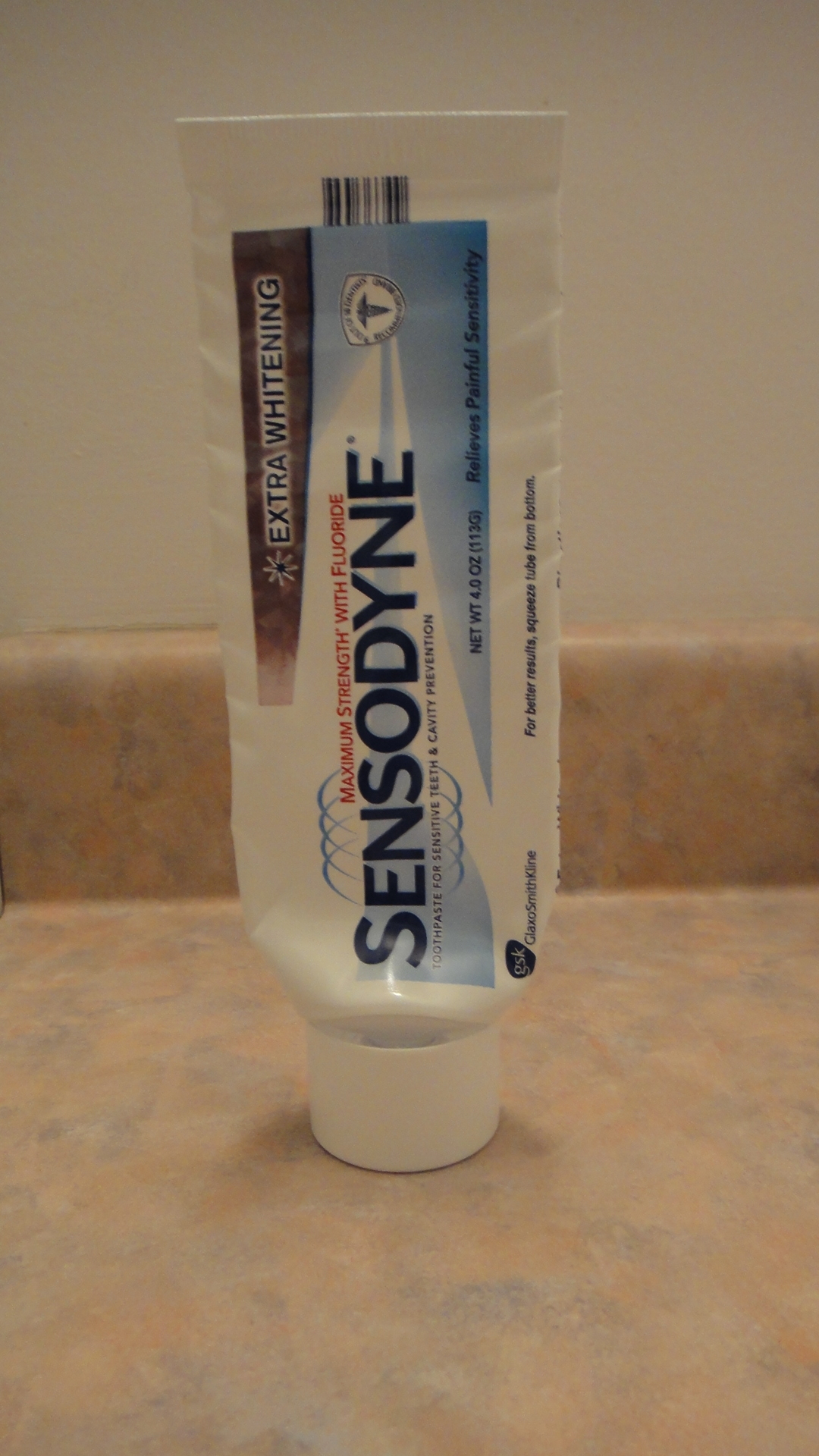
First, I can’t emphasize enough the need to squeeze that tube of toothpaste. Never squeeze in the middle of the tube. From day one, you must apply pressure from the bottom of the tube, gripping each side with thumbs and forefingers, pushing upward. Done properly, your tube will look like the one below.
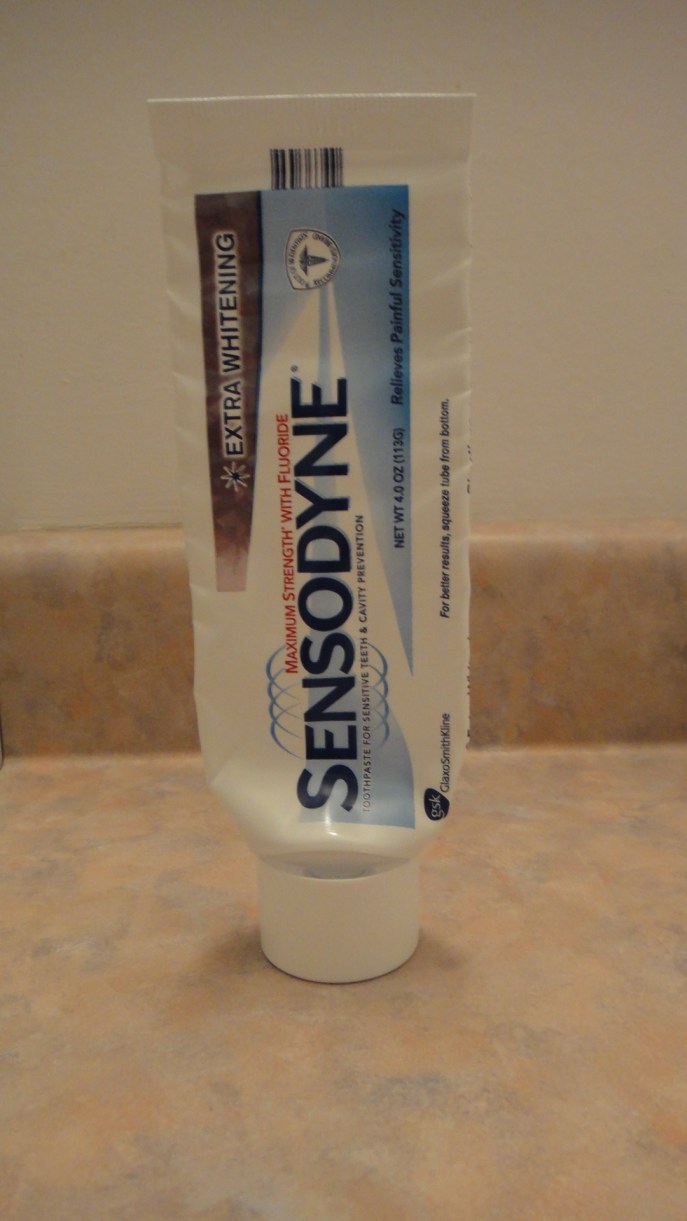
Frontal view of so-called empty tube of toothpaste
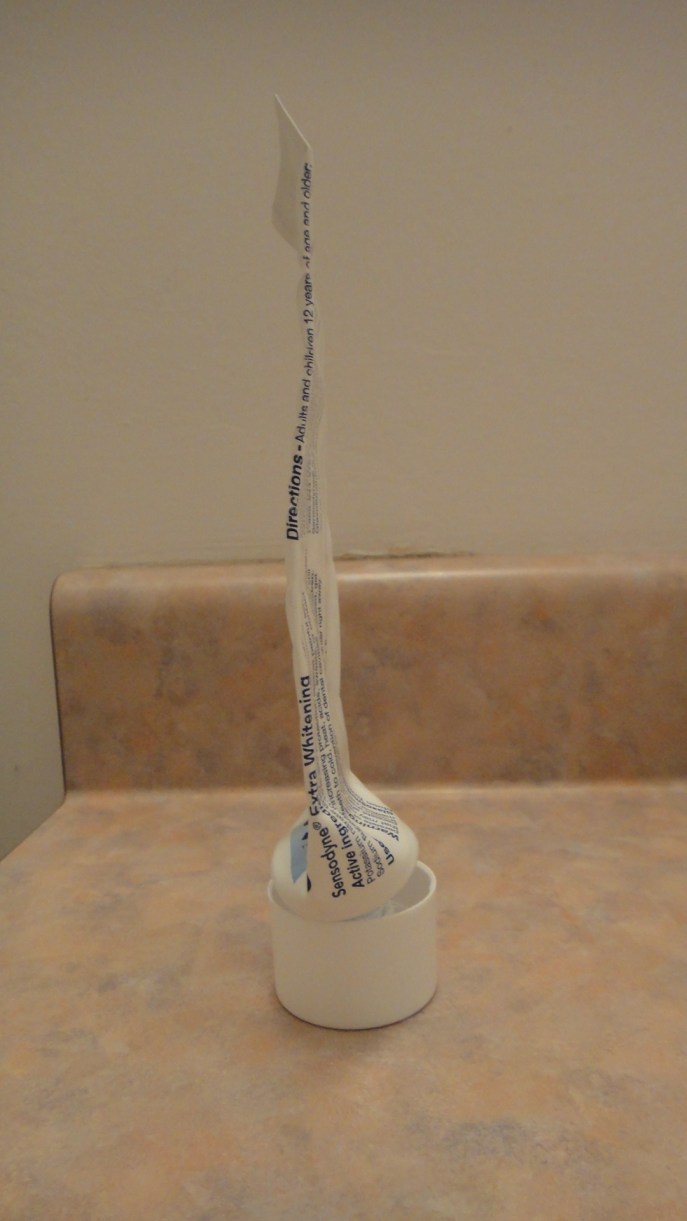
Some people are easily fooled into thinking it's empty.

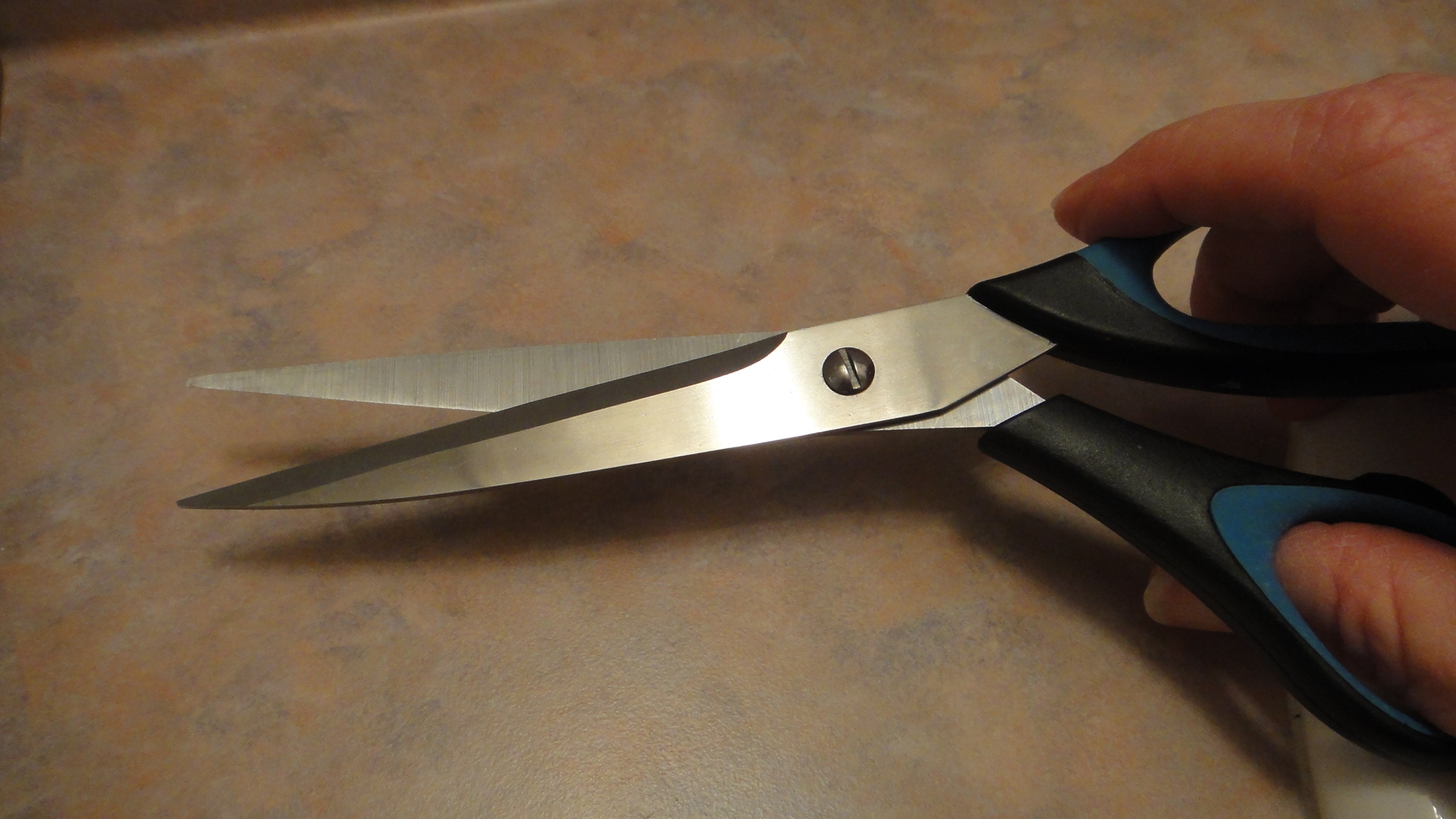
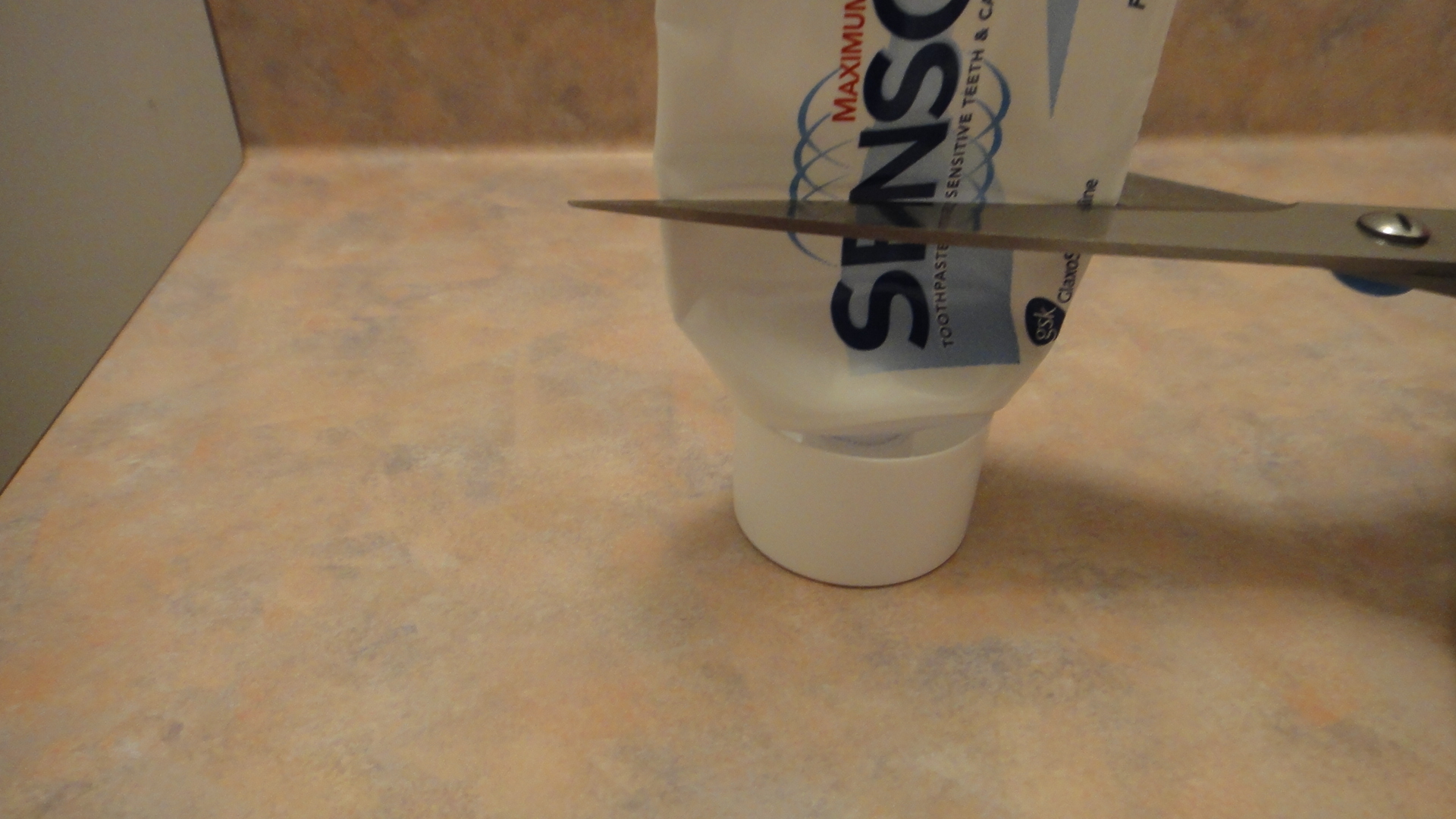
Sadly, many people see a tube like that and think all of the toothpaste is gone! I know better, and soon you will, too. How, you ask. Well, the answer is probably lurking in your junk drawer: a simple pair of scissors. Why don’t more people think of this? I believe it’s because “scissors” is a defective noun (Latin, plurale tantum), one of those words that has only a plural form. It’s one thing to find a scissor in your junk drawer; it’s another thing altogether to find a pair.
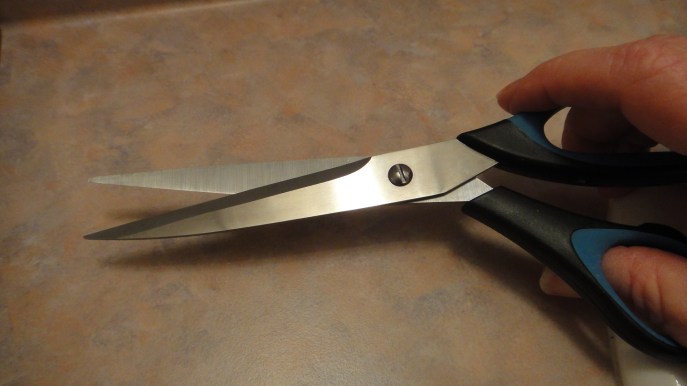
Hand-held defective noun.

Use your hand to operate the scissors, then cut quickly and sharply, leaving 1.6” at the top. Use a ruler if necessary.

Both toothpaste tubes and defective nouns require squeezing. Weird, isn't it?

At this point, you should look inside and marvel at the amount of toothpaste that you almost threw away! Some people see little dollar signs the first time they look inside a cut tube. If this happens to you, don’t be alarmed, just don’t tell anyone else.

Yes, that much was inside that tube!

Some people say they see dollar signs in this. I don't,but some do.

To prevent the exposed toothpaste from drying out, you need to place the tube in a container.

It's almost like a piggy bank.

If you are not squeamish and don’t share your toothpaste with anyone else, you can just dip your dry toothbrush in the opening to use up the toothpaste. If you share the tube, be sure not to tell the other person you are doing this. Tell them you are using the next method.
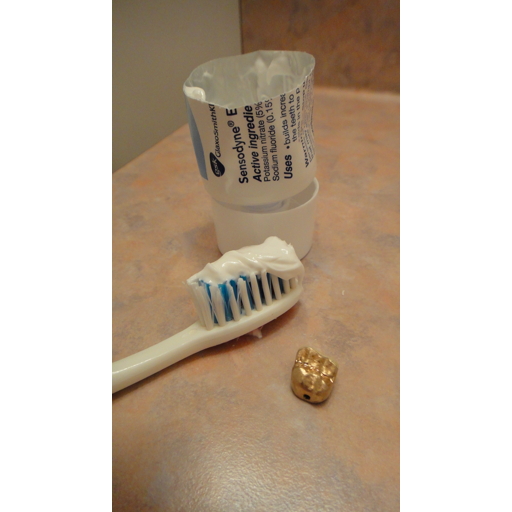
Dip into tube for toothpaste. Don' t forget to brush any gold crowns you have lying around that were once on your mother's charm bracelet.

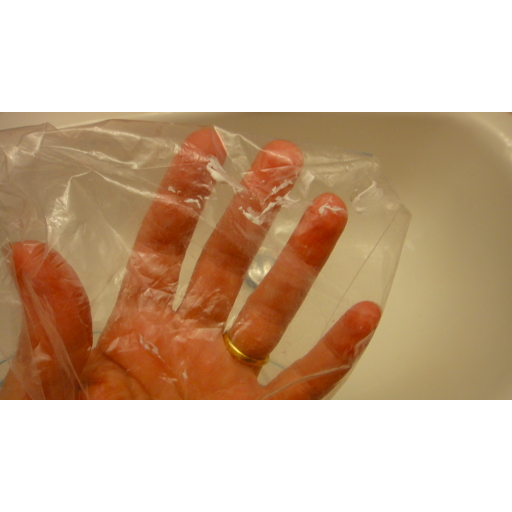
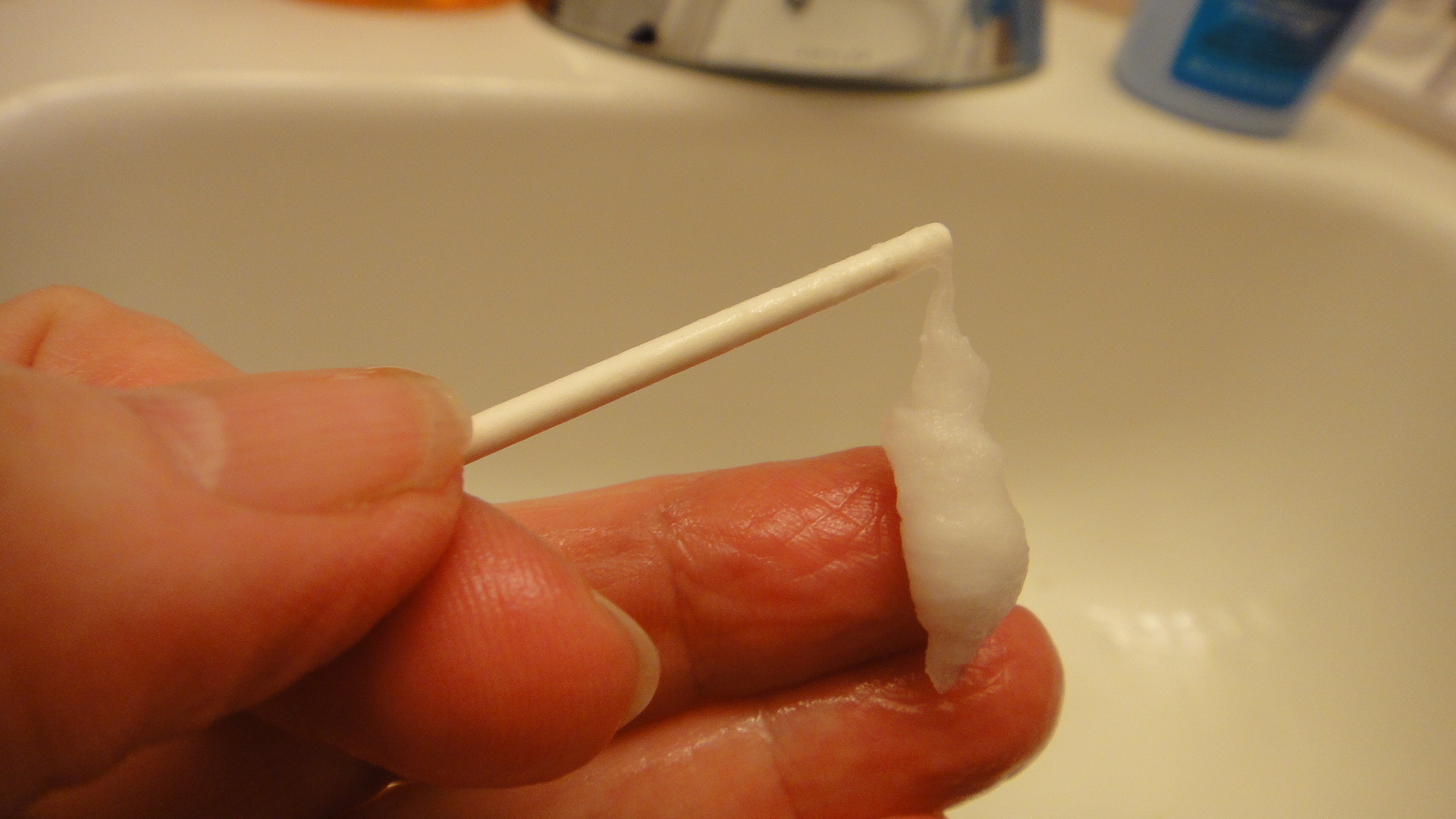
If you are squeamish or the person you share the tube with is in the bathroom at the same time, go ahead and use a Q-tip. Dip it in the toothpaste and wipe it on your brush. Then place the Q-tip in a plastic bag. You can use the other end tomorrow. Do not throw the Q-tip away even after the two uses!

Q-tip method for the squeamish or if you share the toothpaste with someone else and they are watching you.

Once the tube is empty (check the little opening that the toothpaste comes out of!), you can throw it away. I’ve heard reports of people licking the inside and then licking their toothbrush, but who in the world would do a thing like that?


Now you are left with the Q-tips and the plastic bag. Depending on the amount of toothpaste on each Q-tip, you can probably polish at least your large front teeth. Then turn the plastic bag inside out and polish your lower teeth. If necessary, open another tube of toothpaste and squeeze a little on your toothbrush to finish the job.

If you are squeamish, you will have more toothpaste on the plastic bag. I lost my squeams a long time ago and prefer dipping.

Be sure to wash out the plastic bag and use it again! (I shouldn’t have to tell you that.)


For those who are serious about wealth building, you can run the Q-tips under water to remove the cotton. Finding new cotton to wrap around the tip shouldn’t be too hard. A lot of free cotton comes in medicine jars. Dryer lint is also a possibility. I can’t help you with how to attach the cotton or lint. If you are really planning to do that, you need a special kind of help. Make an appointment today.

Warm water removes the used cotton. After that, you're on your own. Even I can't help you.

Now, do the math. Do you see what I mean about saving lots of money? And toothpaste is only the beginning. You can do this with other things that come in tubes: lotions, hemorrhoid cream, and glue. Don’t forget to label the tubes carefully. I’ve heard reports that hemorrhoid cream used on the teeth reduces swelling in gums, but it causes food to slide down your throat before your can chew properly.


If this has been helpful, and I know it has, please take a moment to consider all of the good advice you have received from this blog. As you know, it takes a lot of chocolate to run a blog that is full of so much, shall we say, helpful information. I rely on the generous gifts of dark chocolate from family, friends, and perfect strangers to keep going. Send your chocolate today. Thank you.


In the interest of fairness and the limitations expressly stated on yearstricken’s poetic license, you must be at least ten years old or younger, be responsible for buying your own toothpaste, brush your teeth at least three times a day, and use a lot of toothpaste in order to potentially move into the realm of what yearstricken claims is “lots of money.” Most users of this method can expect to save dozens of dollars over the course of their few remaining years and teeth.

Please pick my nose

Standard

Once you mention that something is your favorite or use a superlative like “best,” you’re headed for trouble. Hard feelings follow; your furniture gets upset or your facial features get up in your face.

I should know; both of these things have happened to me. A few months ago, I wrote an ode to my dresser. It holds a special place in my heart because it stands by me through the night, holding up the mirror while it reflects on the day, and discretely hiding my unmentionables. After that, both the chest of drawers and the nightstand got upset, and even the bed seemed hard to sleep with.

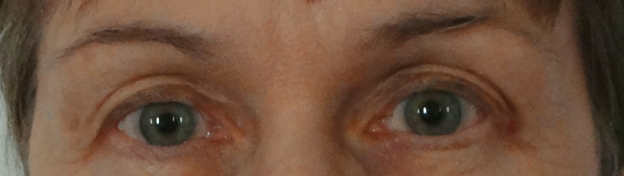
Yesterday I wrote about my nose and said that if I had to choose a best feature, I would pick it. I got grief about it all day: my eyes cried, my hair stood straight up and wouldn’t settle down, my teeth bit the inside of my mouth, and my ears (which I had failed to mention) refused to listen to my explanation about why I didn’t write about them.

In order to appease them, I decided to let them speak for themselves and ask the readers of the blog to pick.  I hope after this, I can convince them to settle down. Here are their pictures with their comments, appearing in alphabetical order that has nothing to do with any type of preference on the part of any person, living or dead.

✤  ✤  ✤  ✤  ✤  ✤  ✤  ✤  ✤ ✤  ✤  ✤  ✤  ✤  ✤  ✤  ✤  ✤ ✤  ✤  ✤  ✤  ✤  ✤  ✤  ✤  ✤ ✤  ✤  ✤  ✤  ✤  ✤  ✤  ✤  ✤

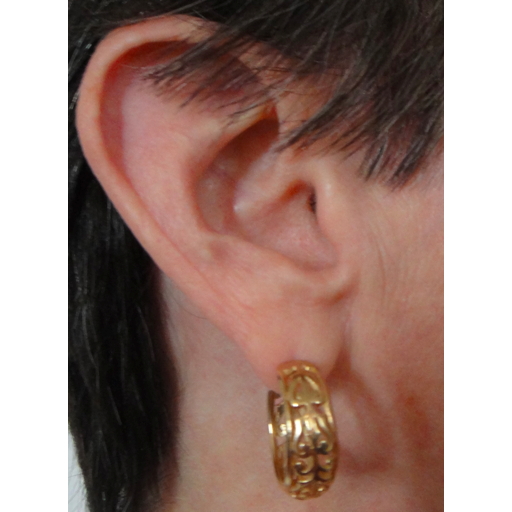
My ears are good listeners, like jewelry, and along with my hips believe you should keep growing all of your life. (Please excuse the absence of the left ear; she’s camera shy.)

✤  ✤  ✤  ✤  ✤  ✤  ✤  ✤  ✤ ✤  ✤  ✤  ✤  ✤  ✤  ✤  ✤  ✤ ✤  ✤  ✤  ✤  ✤  ✤  ✤  ✤  ✤ ✤  ✤  ✤  ✤  ✤  ✤  ✤  ✤  ✤

My eyes are observant, opinionated about things like beauty and color, like to wear green, and enjoy traveling and seeing new things.

✤  ✤  ✤  ✤  ✤  ✤  ✤  ✤  ✤ ✤  ✤  ✤  ✤  ✤  ✤  ✤  ✤  ✤ ✤  ✤  ✤  ✤  ✤  ✤  ✤  ✤  ✤ ✤  ✤  ✤  ✤  ✤  ✤  ✤  ✤  ✤

My hair likes to stay on top of things, doesn’t care for windy weather, and believes everyone should know more about their roots.

✤  ✤  ✤  ✤  ✤  ✤  ✤  ✤  ✤ ✤  ✤  ✤  ✤  ✤  ✤  ✤  ✤  ✤ ✤  ✤  ✤  ✤  ✤  ✤  ✤  ✤  ✤ ✤  ✤  ✤  ✤  ✤  ✤  ✤  ✤  ✤

My nose has an excellent memory, likes being in the center of things, and enjoys running in the winter. (She wanted to show you her running shoes.)

✤  ✤  ✤  ✤  ✤  ✤  ✤  ✤  ✤ ✤  ✤  ✤  ✤  ✤  ✤  ✤  ✤  ✤ ✤  ✤  ✤  ✤  ✤  ✤  ✤  ✤  ✤ ✤  ✤  ✤  ✤  ✤  ✤  ✤  ✤  ✤

My teeth are homebodies and don’t like going out; they like to do crunches, and have taken a shine to my dentist.

         ✤  ✤  ✤  ✤  ✤  ✤  ✤  ✤  ✤ ✤  ✤  ✤  ✤  ✤  ✤  ✤  ✤  ✤ ✤  ✤  ✤  ✤  ✤  ✤  ✤  ✤  ✤ ✤  ✤  ✤  ✤  ✤  ✤  ✤  ✤  ✤

(Note to reader: This second post about nose-picking is not my fault. My blog friend worrywarts {click here to meet her} misread yesterday’s title, made a comment about it, and planted an idea in my head. You can register your complaints on her blog. I almost promise not to write about things like this again.)