Compound interest

Standard

If you were lured here by the title of this post, expecting some insight into money, please understand that I do what have to do to get readers. Like most people, I have an interest in money, but I have more outsight than insight; that is, as soon as it is in sight, it usually wings its way out of sight before a lured person can say compound interest.


Courtesy National Archives

Courtesy National Archives

However, I am flush with words, have books full of them, store them on my computer, and spend hours everyday stuffing them into other people’s ears – for free. I’m nothing if not generous with them.


I’m interested in words and find  compound words especially interesting. Hence, I have a lot of compound interest.


In the intimate life of words, compounding is how words meet and mate.


Nouns, the parts of speech that never forget a name, live to meet other words and partner up. One day a hand reaches out for a bag, slaps a logo on, and voila, the $10,000 handbag is born. Later in a city, a building rises up to scrape the sky and calls itself a skyscraper. During a show, a magician saws his sister in half and ends up with a half-sister. Back at the farm, Old MacDonald takes a hog, washes it up, expecting it to keep it clean, and finds that his idea is pure hogwash. Then he splits a horse four ways and ends up with a quarter horse. Fun, isn’t it?


Compounding is not just for nouns. Verbs like to get into the action, as do adverbs, a kind of word that can’t be in a relationship without trying to modify its partner. Prepositions, the words that let you know what’s up and what’s going down participate, as do adjectives, those opinionated words that always have something to say about every noun they meet.

Courtesy of Library of Congress: DN-0068144, Chicago Daily News negatives collection, Chicago History Museum


Some compounds, like bridegroom, are monogamous – two nouns become one and everything they own is joint property. They take seriously the ancient truth: what the dictionary hath joined together, let no auto-correct put asunder. Others are more like the bride-to-be; they flash their hyphen to show they’re engaged. Open compounds go on dates, visit the amusement park, ride the roller coaster, and eat ice cream together, but maintain their distance and avoid PDAs (public displays of affection). Many compounds start out in an open relationship, get engaged, and end up in a closed relationship.


Much of my compound interest comes from rhyming compounds. I like their razzle-dazzle sound. Many of them disparage others, looking down their noses at the jibber-jabber of the snake oil salesman; others have a keen eye for disorder and will call you out if you shilly-shally or dilly-dally. *


I’ve shared all this to tell you about a car, but as you can see, my thoughts are all higgledy-piggledy, and I’ve used up my cyberspace allotment. So now I’ll have to backtrack and write about the car next time, unless I miss the off ramp again.


*I sort rhyming compounds like I sort my buttons: all in one big pile. There are dozens of ways to categorize them, but since this is a family friendly blog, I would like to afford linguists some dignity and not talk about their piles. If you find yourself disturbed by this and would like to make a case out of it, I’ll see you in court. Tennis or basketball – it’s your choice.


Actually I could care less

Standard

Caring requires time and effort. It’s like filling up a bucket, except it’s filling up the mind and heart with a person, a thing, or a cause. You have to think about the object of your caring, which means shifting your brain from idle to at least first gear.


Science moment: Assuming you have a brain, and frankly, the fact that you are reading this blog creates doubt, said assumed brain idles at about 6 to 11 calories per hour. Actual thinking increases the amount of calories only slightly, which explains why there are so many thickheaded people about.


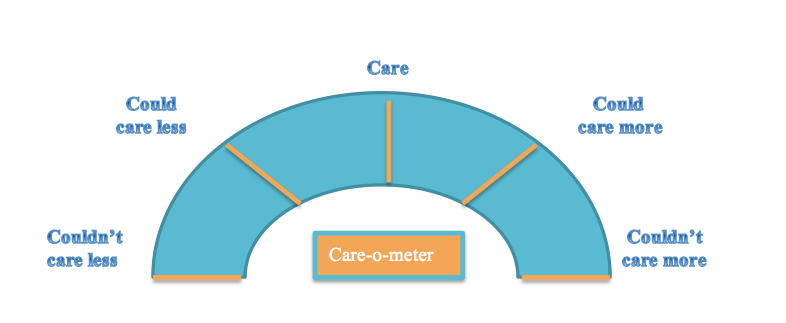
If caring were math, it would be the whole numbers, which depending on who you trust and I’m not sure it should be me, includes zero. Getting from caring to the nothingness or zero of not caring requires sliding down the scale of care like a firefighter sliding down the firehouse pole.


Couldn’t-care-lessness is measurable and getting there requires another simile. It’s like untying a balloon full of concern and attentiveness and forcing all of it out by stretching the neck of the balloon to produce sounds not unlike those experienced during gastrointestinal distress. Once all of that air is satisfyingly released (and you know exactly what I’m talking about), you have emptied yourself and have reached the “Om” of OMG, I couldn’t care less.

Care-o-meter

Once this nirvana of carelessness has been achieved, you must never think about the subject again, so as to not disturb your care-o-meter. This explains why I avoid reading tabloid headlines in supermarket lines and tend to weep any time I come across bad words like…Warning! BWA! (Bad Words Alert)….Bieber, Kardashian, and Brangelina.


Hearing or reading about what the not-to-be-mentioned people wear, don’t wear, eat, don’t eat, kiss, or don’t kiss knocks my brain out of idle and forces me to not care about what I just heard or read. The very act of not caring about the information tires me out and often leaves me at the place where I could care less if I tried, but I don’t have the energy or inclination to do so. More often than not I exhaust myself into numbness and discover I could not care less, but this usually requires dark chocolate, wine, or both.


So, yeah, sometimes I really could care less.

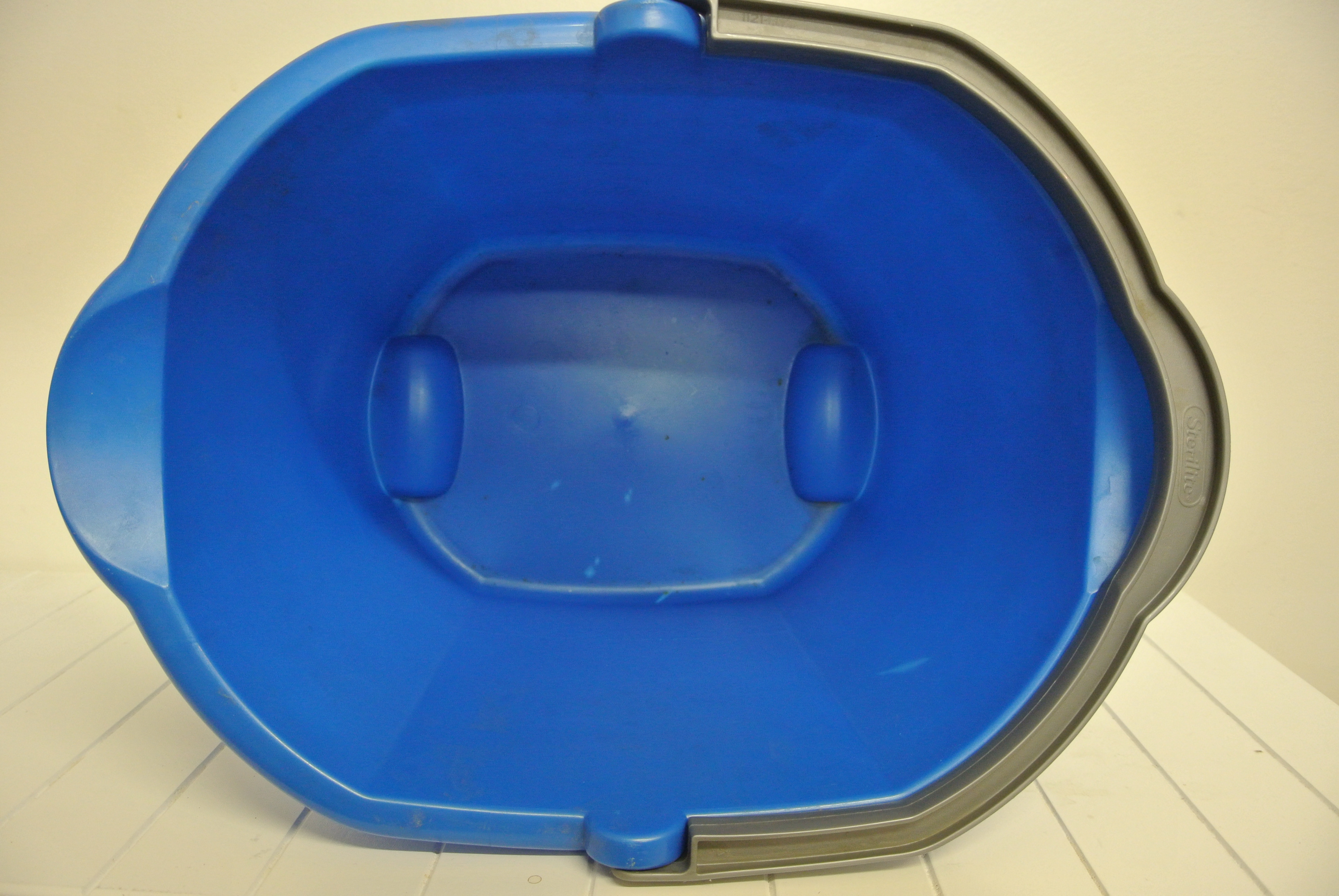
My bucket’s list

Standard

DSC_5040

  1. Spend one day without getting kicked


  1. Find the end of the rainbow and hold the gold


  1. Get a handle on why my most important work always goes down the drain


  1. Go to the beach and keep my bottom sand-free


  1. Chill out with champagne


  1. Make people stop trying to carry tunes in me


  1. Take part in the ALS ice bucket challenge


  1. Visit the bottom of the wishing well and bring home some cash


  1. Learn how to empty myself through meditation


10. Kick one person before I die
DSC_5046


The Rabbit Wars: Urine, You’re Out

Standard
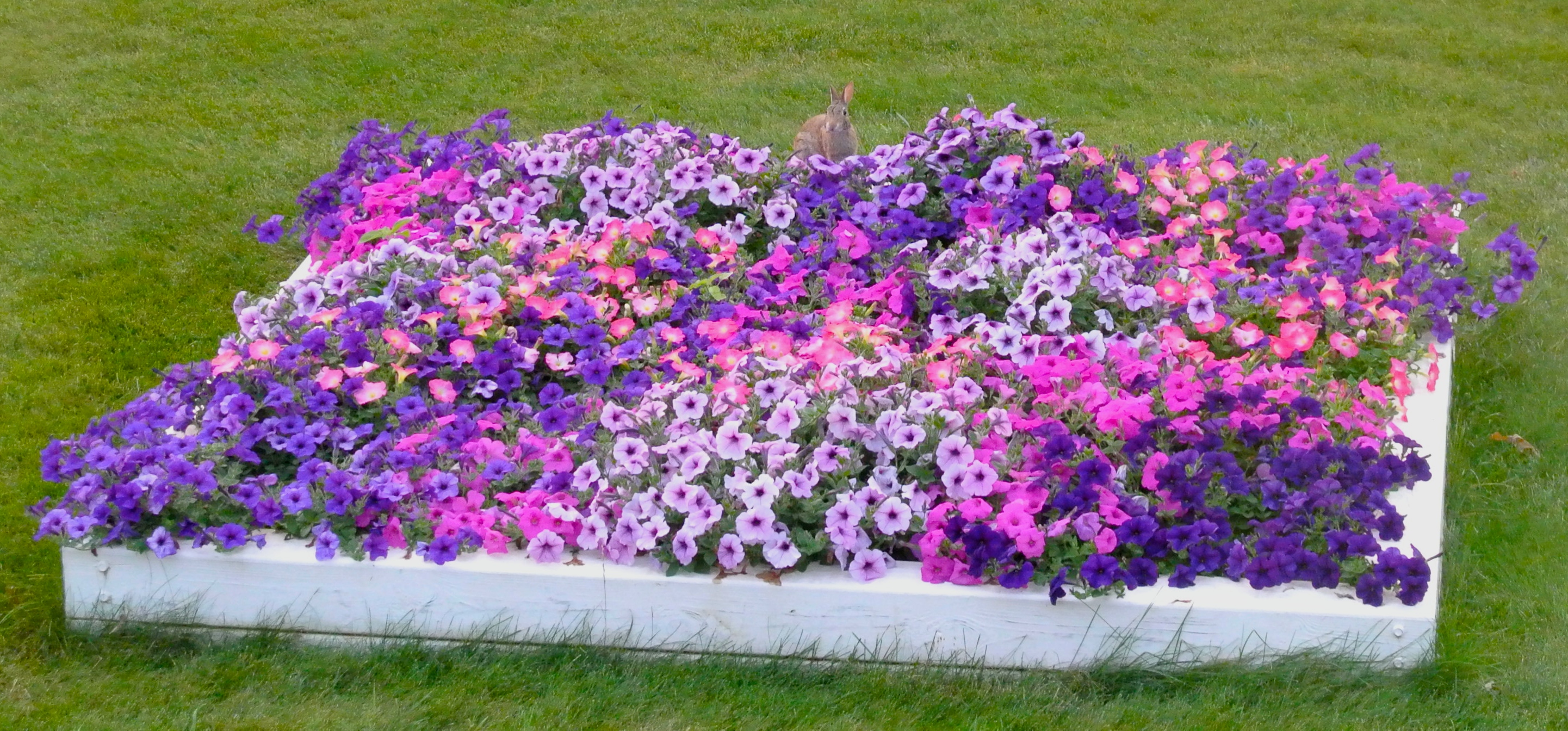
The petunias in all their glory being surveyed by a wascally wabbit.

The petunias in all their glory being surveyed by a wascally wabbit.

The petunias can barely contain themselves in the flower box behind the house. Each one is a small poem written in pink, coral, or purple. And like all good poetry, the petunias both teach and delight.


My other yard poems are the geraniums. They have taught me two lessons. First, hummingbirds like them. Second, rabbits generally don’t. Part of the delight of geraniums comes from those same reasons.


Petunias, on the other hand, have taught me that rabbits see things differently than I do. To me, my white box of colorful petunias is a feast for the eyes; to the rabbits in the neighborhood, it’s a feast.


If he were a jackrabbit, this would be jack in the box.

If he were a jackrabbit, this would be jack in the box.

I like rabbits, and I enjoy watching them, but I don’t like them enough to let them eat my petunias. We had a long hard winter and several rabbits survived by eating the bushes in the back. The rabbits processed a good foot of each bush into scat, but I never complained.


Encouraged by my leniency, they thought it would be okay to eat my petunias. First, I tried soaping down the box, hoping the smell would deter them. Instead they sat in the box, munching away, with their sanitized paws. Naturally that gave me pause, so I sprinkled pepper around the box, hoping they would hotfoot out of the box and take their paws elsewhere. When that didn’t work, I thought it would make good sense to bring out the big PP, which stands for predator pee (or PredatorPee, a real company), which, of course, makes good scents for plant protection. And the best good scents for rabbits are bad scents, long-toothed and hungry bad, as in fox urine.

One of the bunnies checks to see if I am watching the petunias.

One of the bunnies checks to see if I am watching the petunias.


My husband found a different product that uses putrescent egg products to encourage the bunnies to forage elsewhere. The repellent works well and keeps the rabbits from seeing my flower box as an all-you-can-eat salad bar. When it rains, the spray dissipates and the rabbits come back, so it requires repeated spraying, which makes good cents for the company.


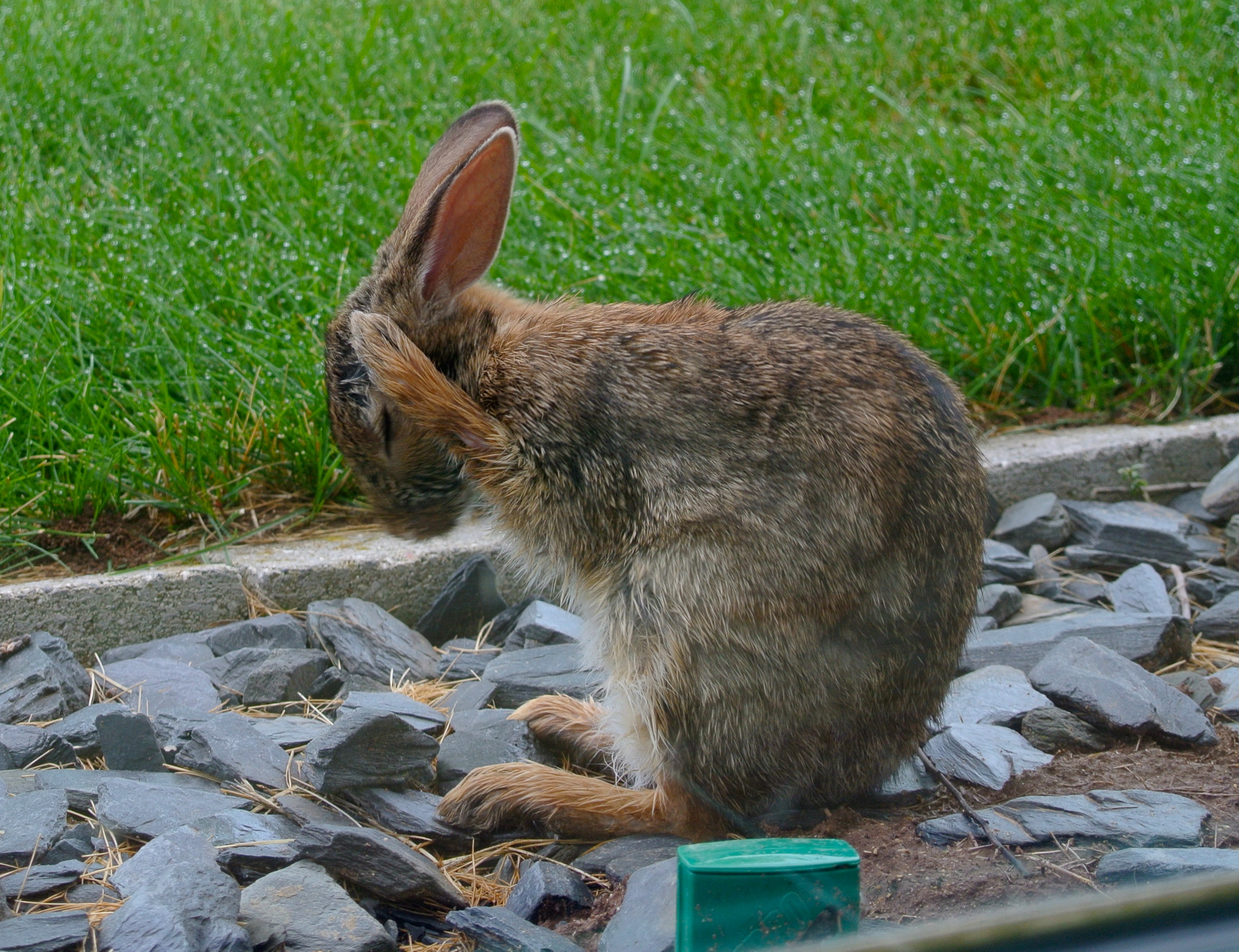
Probably overcome by guilt and shame for eating my petunias.

Probably overcome by guilt and shame for eating my petunias.

The rabbits still visit the yard, and I have seen them among the hostas in the early morning. We have developed a wary truce. The petunias are there to feed my soul, not their bellies. I plan to stop stewing about the flowers as long as they stay away; otherwise, I might start stewing the rabbit

The part where she discovers she dowses

Standard

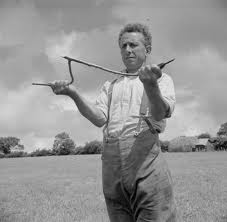
Dowsing, the idea that two disparate objects can find one another based on mutual attraction, is much like the belief in love at first sight: one person holds his or her heart in hand, feels it bending toward another and discovers the person who will make one of two.


Practitioners of dowsing swear that by using a tree branch or rod, they can find water, minerals, or other objects buried in the earth. Love-at-first-sighters believe the heart needs only a glance to find true love.

Courtesy of Wikicommons

Courtesy of Wikimedia Commons


I believe in dowsing as much as I believe in love at first sight, which is not at all. Dowsers have been subjected to testing and come up equal to chance. Love at first sight is the same. Chances are it will work out; chances are it won’t.


After I heard about dowsing when I was a child, I found a y-shaped tree branch and searched for water in the yard. Nothing happened. It turns out I didn’t need a stick to find the water that had already been discovered and conveniently came out of the outside faucet and through the garden hose into my thirsty mouth. I was as unlucky in dowsing as love at first sight. I did, however, later experience like at first sight, which led to love, but that is a different story.


I hadn’t thought of dowsing for decades until the other day when I realized I was a master dowser and had been for years. My dowsing is unique in that with my handy tool I find not things, but people; and not under the earth, but atop it.


The object used to find these people is a wheel with about a 15-inch diameter, and once it is in my hands, I achieve 100% accuracy in finding a particular kind of people: idiots.


The wheel I use is conveniently attached to my car, so I don’t have to carry it about. Once I pull out of the garage, the wheel instinctively leads me to idiots in other cars who don’t use their blinkers, who tailgate, who are clearly texting while driving, and who drive too much above or too far below the speed limit, or weave in and out of traffic curious to find out if everyone’s brakes still work. Unlike traditional dowsers who are looking for a desired object, I don’t seek these idiots out; my steering wheel finds them.


Unlike this steering wheel, mine is attached to a car. Courtesy of D-Kuru on Wikimedia Commons

Unlike this steering wheel, mine is attached to a car. Courtesy of D-Kuru on Wikimedia Commons

I don’t use the term idiot lightly. A person has to commit driving acts that jeopardize lives to fit the category. Drivers who take the parking spaces I want are not idiots, they are merely selfish.


Idiot dowsing is equal parts uncanny, unnerving, annoying, and disturbing (much like the extremely long sentence that follows). Idiocy here in northeastern Wisconsin is clearly on the rise based on the numbers I discover as I white-knuckle through traffic, using my blinkers; leaving space between me and the car ahead, which is immediately filled in by a speeding, lane-jumping lunatic, which causes me to create more space, leaving room for yet another lunatic, and so on until I am back to where I started even though I’ve been driving for half an hour – much like Wonderland Alice who was told by the Red Queen, “…here we must run as fast as we can, just to stay in place”); obeying (or practically obeying because what’s an extra 5 miles over) the speed limit; eschewing* phone use because I need both hands on the wheel to avoid the swervers; and identifying each nitwit by calling out loudly, “You idiot!”


I want, as is my wont, to remain positive and to avoid letting them figuratively and almost literally drive me crazy, so I have decided to keep a notebook like birders do. Yesterday I saw three red-hooded idiots, two Toyotan morons, a brown-headed blockhead, and a silver Cadillacan cretin. Imbeciles and muttonheads are almost too common to mention, but I intend to record them all. Mark my words (or at least my errors), future idiotologists will find my records valuable in tracking the increase of dunderheads in cars in Wisconsin.


*Each time the word eschew is used on this    blog, both the writer and reader are granted  one piece of dark chocolate. If you don’t likedark chocolate, please let me know and I will kindly eat your piece.


What’s cooking?

Standard

Barbecue season in Wisconsin begins once the top of your grill is visible above the snow drifts and ends when the snow is so high it’s impossible to find your grill out on the deck.


Take a walk around the neighborhood on a Wisconsin summer evening and you are bound to smell steak, brats, venison burgers, salmon, hamburgers, hot dogs, or lake perch smoking on planks of cedar, sugar maple, black cherry, or golden alder.


Last week after our own non-grilled dinner, I sat on the couch reading a book while my husband relaxed in the recliner working on his computer, and the grandchild conducted a physics experiment in the bathtub to discover how much sloshing was needed to saturate the bathroom rug.


The next thing I know, a sweet smell saunters into the house, sits right next to my nose, and says, “Get a load of me.” So I do, and I say to my husband, “What smells so good?”


He takes a big whiff. “Must be Ray grilling.”


chicken-grilling

The smell grows stronger and I get curiousier, so I walk outside to see what Ray is grilling in front of his garage. He isn’t. So I check out in the backyard, but he’s not on his deck either.


I look up and down the street, determined to find the source, but now I can’t smell it. I go back inside to check our oven. My husband is now as old as me and like so many people his age, forgetful. But it’s not that either. I check the basement, the back rooms, the laundry room, and the garage. I can’t catch a whiff of that pleasant smell anywhere except the living room.


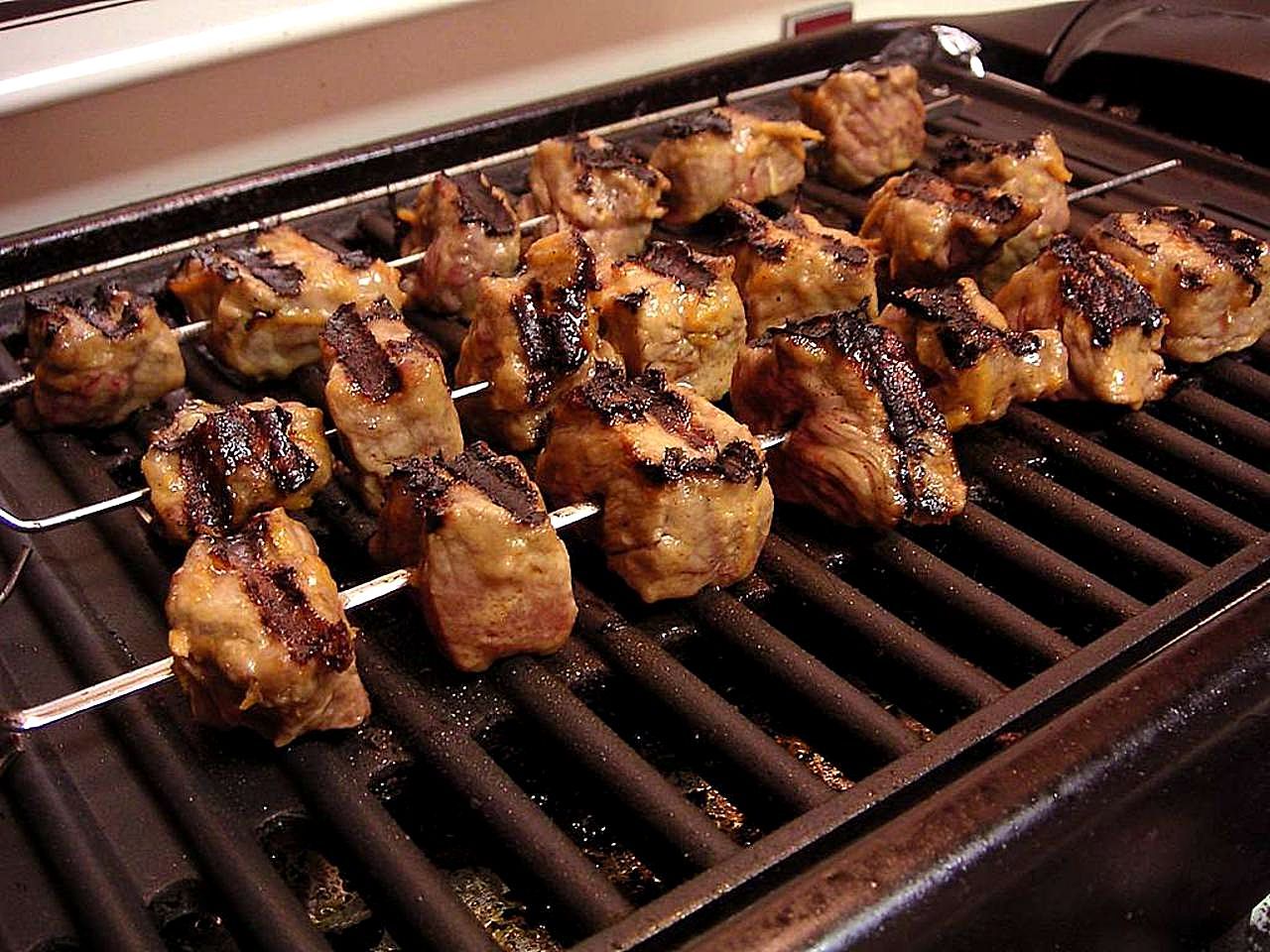
grilling-beef-meat

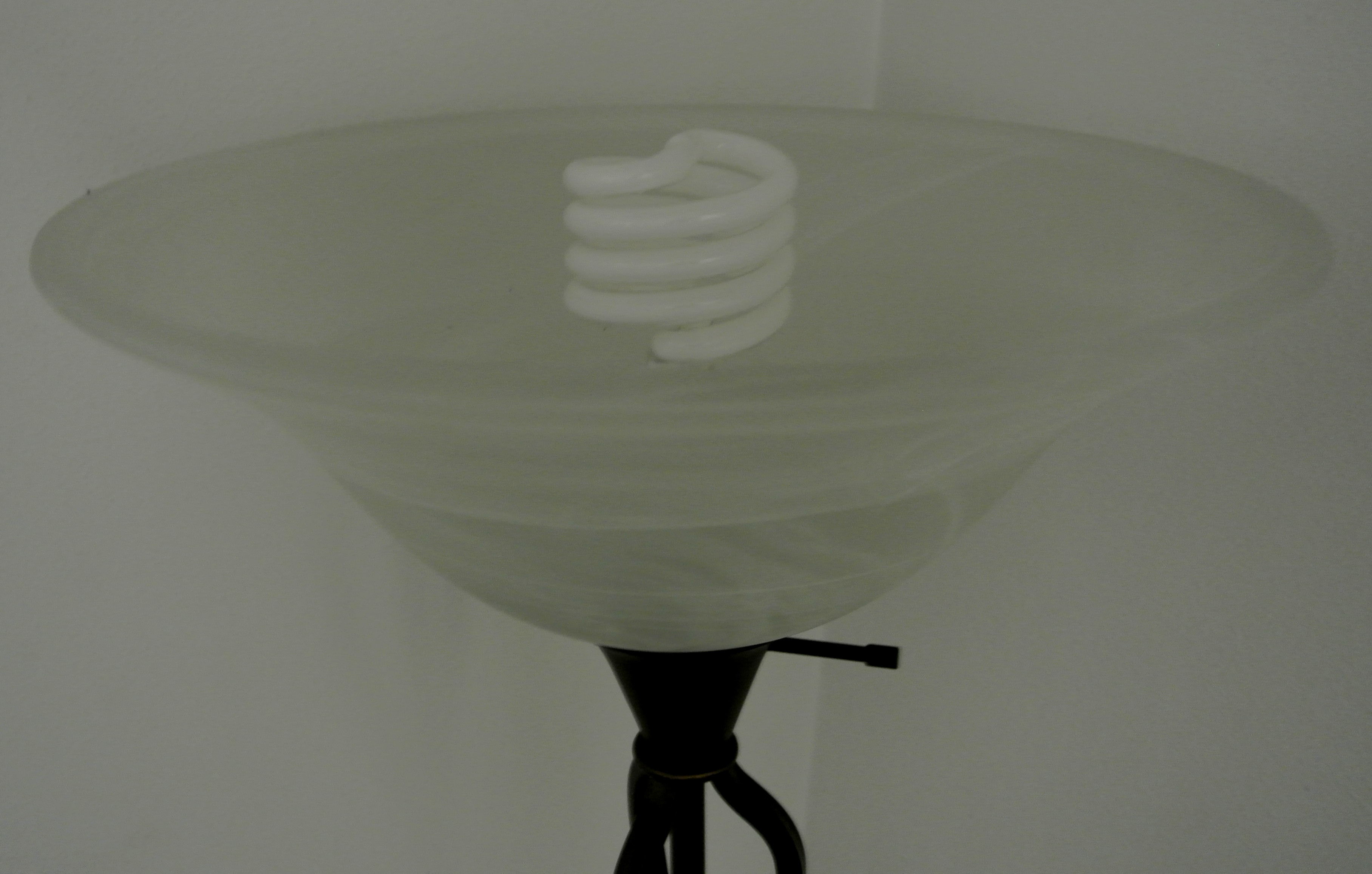
That’s when I noticed my hat. Earlier in the day I had been going in and out to work in the yard and had set my hat on top of the floor lamp. When I sat down to read after dinner, I turned on the lights and started slow cooking my hat.


_DSC4907

This method of cooking hemp hats allows the aroma to infuse the house.


Four years ago I bought that hat for my first trip to Europe and wore it the following two summers from England to France to Hungary to Russia. I have always counted on it to be on top of things, usually my head, but I counted wrong when I put it on top of the lamp.


_DSC4903

My smoking hot hat.


The first words of the grandchild after completing the bathtub science experiment were, “What’s that good smell?”


That sweet smell, child, is my hat, my hemp hat.

_DSC4904

Oddly a hat is also called a lid.


I ordered a new one, identical to the first, and will save my smoked version for fishing and gardening. I learned two things from my own experiment in hat cooking: one, a floor lamp does not make a good hat stand; and two, the saying “Put that in your hat and smoke it” can be as literal as it is figurative.

_DSC4908

This hat is still raw and crunchy.

Trickery and taxation

Standard

The word sounds like a barroom brawl: Bam! Booze! All! But that’s part of the con because we’re talking about bamboozle, which means pure trickery or flimflammery.


The word shows up in England at the turn of the 18th century around the same time as the window tax – one of those not so transparent laws enacted by government officials to increase revenue, which turns out to be a pain for the taxpayer.


3506030_ab3996db

At the time, the British people considered one’s annual income as personal and private as the number of one’s underpants and certainly none of the king’s concern. The only way for the king to get a peek at how much money people had was to empower the taxmen to become peeping Toms and report on the number of windows each dwelling had. More windows meant larger dwellings, meant people had more money, meant more tax revenue. To reduce their tax burden, people stonewalled the king by boarding and bricking up some of their windows. Darkening their dwellings seemed preferable to the government lightening their wallets.


640px-Windows_in_Brighton_Street,_Edinburgh

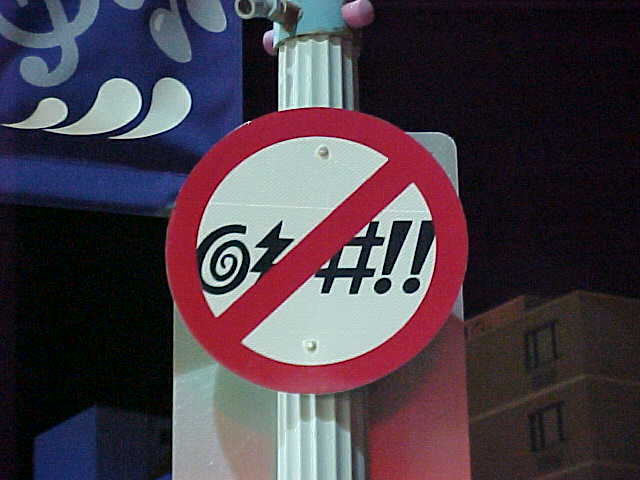
Oddly (at least to me) in 1694 two years before the window tax, An Act for the More Effectual Suppressing of Profane Swearing and Cursing passed, enacting fines on swearers and cursers everywhere. Without any historical evidence to back me up, I think the lawmakers were acting preemptively since they must have known the response the window tax would elicit.


Virginia_Beach_No-Bad-Behavior_sign

But back to the word that started this post.


No one knows exactly where the word bamboozle comes from. Its first written appearance is in a comedy performed in 1703, so it must have been used on the streets of London sometime before that.


In 1710 Jonathan Swift, best known for writing Gulliver’s Travels, wrote a protest in the Tatler, a literary journal for gentlemen, lamenting what he perceived as the corruption of the English language, evidenced by “pretty Fellows” using only the first syllable of a word and leaving out the rest, omitting vowels, and inventing words like bamboozle. Swift claimed this “natural Tendency towards relapsing into Barbarity” would not end well for the words of the English language and says, “I am sure no other Nation will desire to borrow them.”


Swift is not the first language lamenter to be bamboozled by history. For several centuries now, English has been borrowed, taken home and let loose to swim in the Caribbean, play ice hockey, sport tattoos, ride elephants, wear a headdress, and dance the bomba — all before breakfast. It spends the rest of the day roaming the world, mingling with a thousand other languages, and borrowing a few words of its own.


English itself is a trickster, an ever-changing shape-shifter, untamable, as full of surprises as it is of annoyances (like like as a reporting verb), yet ever my own ears’ delight.


Bamboozle has never enjoyed the kind of popularity its close cousin cozen had in the early 1800s, but there’s something I love about those two pops of b’s exploding from my lips, ending with z’s flow of turbulent air suddenly blocked by the letter l and the tip of my tongue, as if to say, “Hold on there a minute. Where are you going, and what are you up to?”


And the answer? Spending the morning boarding up windows with the common folk, and the afternoon counting windows for the government.

The strangeness of mercy

Standard

One way to look at it is that I was born a child of mischief; one who rebelled within the womb, refusing to appear as the long-expected son of my father, and arrived as a girl instead.

Probably taken after I got caught doing something naughty. That's me not smiling.

Probably taken after I got caught doing something naughty. That’s me not smiling.

In the narrative of my own creation, a bad-natured fairy sprinkled me with fairy dust composed of curiosity, naughtiness, and a bit of bad luck. How else explain that I rarely got away with anything, and my older sister almost always did.


I disliked getting caught and punished and tried to cover my tracks, but sooner or later my sins found me out, barking and baying until someone in authority – parents or teachers – nabbed me.


None of my punishments lessened my curiosity or desire to explore the forbidden – cigarettes, the sugar bowl, other people’s mail, or the contents of my parents’ dresser. Curiosity, which killed the cat, just gave me a sore bottom.


Years later I realized how I had mistaken mercy for bad-naturedness on the part of that fairy. If I had had the bad luck to get away with all of my naughtiness, I would probably be writing my blog from a jail cell. (Of course, there’s no way to be sure I’m not; you’ll just have to take my word for it.)


Getting caught helped me understand consequences in a way nothing else could. I thought of this last month when someone sideswiped my car in the campus parking lot.


The first thing I noticed when I approached my car as I was leaving school was a rectangular piece of black plastic lying on the ground near my bumper. It was a car license plate sheathed in a plastic holder lying upside down. I picked it up to place it on a snow mound so the driver could see it when he or she returned, and that’s when I noticed the damage to the side of my car.

1280px-License_plates_(5110908127)

I contacted school security, explained the situation, and gave them the license plate number. It didn’t take long to track down the individual, based on his school-parking permit. He assured the security officers that he had written me a note and placed it on my windshield.


In this tale, the wind, angry with him perhaps for some long-forgotten curse against its coldness, tore the note away, carrying it far from the parking lot. And while he was placing the note on my windshield, no doubt taking full responsibility for what he had done and overcome by remorse, his tear-filled eyes apparently failed to see his fallen license plate, black on white, doing its best to be seen.


This story made me smile, and would have even been plausible if there had been any wind that day, or if the snow which wasn’t falling that day had temporarily blinded him so he couldn’t see  the license plate lying there in plain sight, letting all the world know where to find him. Nevertheless, I agreed that it was a good story that could have happened and not too bad for a first draft.


His insurance paid for the damage; and one hopes, next time he really will leave a note. I didn’t report him to the city police. Had I done so, he would have been charged with leaving the scene of an accident.


He’s a young man yet and has a chance to learn that the best stories are true whether they really happened or not. I like to think we were dusted by the same fairy, fated to get away with nothing.


Though he may view me now as a bad-natured old woman, who uncovered his furtive deed and caused his insurance rates to go up, I have hope that one day he will see me as a merciful old woman who helped him get caught – just in time.


License photo: Alias 0591 from the Netherlands 

Letter to my 90-year-old self

Standard

STS007-32-1702

Dear Future Yearstricken,


Do you remember me? I didn’t think so. You lived my life several decades ago. I thought I’d better write you a letter to remind you what your plans for old age were.


  • You can only whine and complain on Tuesdays from 3 – 5 p.m., so make good use of that time. When you were younger, you used to say, “Put on your big girl panties and deal with it.” Now, of course, you’ll have to put on your big girl Depends and deal with life’s inconveniences: your aches and pains, the decreasing level of intelligent life around you, and the annoying habit of people who never learned to speak clearly and loudly.


  • Open that Excel file called Stories I Like to Tell that I left on your computer, iPad, and phone. I tried to sort them chronologically, so the stories of your childhood start the list. You’ll have to fill in names of new people across those top cells. If you can’t fill them in, ask someone for help. Then every time you tell that person one of your stories, put an “x” under the person’s name. If that’s too hard, ask the person listening to the stories to mark the ones he or she has heard before. Once the person has heard all of your stories, feel free to just make stuff up. They weren’t there, so they’ll never know the difference.


Type of text commonly used in books in the year 2014.

Type of text commonly used in books in the year 2014.


  • Read every day. I hope by the time you receive this, the alarming trend of making letters smaller and fuzzier will reverse itself so that you can read books and magazines. When you were a child, all print was normal-sized, crisp, sharp, and easy to read. Somewhere around your 30s or 40s, printers of all kinds became sloppy and started using smaller, blurrier fonts. The you that is me right now has been forced to use glasses for printed material and the magnifier function on the computer. You may have to rely on audio versions of books, although computers should be able to read aloud better by mid-century.

Winkel_triple_projection_SW

  • Keep learning about the world around you. It may do for the people around you to talk and care about only local affairs, but it won’t do for you. You cannot turn away from the pain and suffering of other lands anymore than you can ignore the beauty and wonder of other cultures. Your community extends across all of the continents. You share the same story with every other human being.


  • Practice mercy and forgiveness every day, or at least every day except Tuesdays from 3 – 5 p.m. when you are busy whining and complaining. You never learned much from punishment other than fear, but you have been transformed by the mercy and forgiveness you have received. Avoid carrying grudges; they’re incredibly heavy and tend to throw your back out and make you spiteful.


Phyllis_Diller_Allan_Warren

  •  Laugh as much as possible, and often at yourself. Cry, too. Keep feeling and savoring life. It’s okay to lick the bowl at the end of the meal; you don’t have that many more meals left.


  • Don’t worry about what other people think about you. Most people find thinking troublesome, and those that bother to think won’t spend much time thinking about you.


  • Enjoy your coffee, wine, and dark chocolate. If you’re alive at 90, you’ve proved they are good for you.


  • Pay attention every day. Look, really look, at what is around you: the number of petals on an orchid, the different shades of green in your spring garden, the mechanism of a zipper, the way your knuckles bend (hopefully), and the variety of bird songs in summer. If you don’t understand something, look it up. Find out. You need this as much as coffee, wine, and dark chocolate.


Kissing_Prairie_dog_edit_3

  • Tell the people around you that you love them. Hug them every chance you get. Don’t worry about embarrassing them or yourself. Tell the child that your heart nearly bursts every time she comes through the door. Tell your daughters that they are two of life’s greatest gifts. Tell your husband that a day has never  by that you haven’t marveled at his love and patience. It’s okay to repeat yourself this time. Your family and friends may tire of your stories, but they’ll never tire of being loved.


Your once and former self,


Yearstricken


Words that go back and forth

Standard

5143273063_807964c8a4_o


Before I learned the meaning of the word “palindrome,” I thought it had something to do with merry-go-rounds. If you repeat the word out loud, you’ll hear those three syllables, stressed-unstressed-unstressed. This kind of metrical foot, called a dactyl, comes from the Greek for “finger,” and in this case it pointed to a carousel and me sitting on a palomino with a wild eye and a dark gold coat. (Both the eye and the coat on the palomino, not me.)


Unsurprisingly, I was wrong. A palindrome is a number, word, phrase, or sentence read the same frontward and backward.


I don’t remember when I learned what the word actually meant, but I know I have enjoyed reading words backward since I was a young girl. Discovering that star talked back and said rats and that was said saw as soon as it turned its back on you seemed magical and subversive at the same time. If I paid attention, I could find enchanted words all around me able to say two things at the same time, and some of them sassy to boot.


People have been palindroming forever, or at least in Latin since the late first century, which seems forever to someone expected to live just eight or so decades. Although the inhabitants of Pompeii disappeared when Mt. Vesuvius erupted in 79 A.D., the palindrome Sator Arepo Tenet Opera Rotas, known as the Sator Square, remained, scratched on a wall to perplex and delight the archeologists who discovered it and all of us who came after. No one knows exactly what it means, but a number of sites list the meaning as Arepo the sower works with wheels. Even if that’s not the exact meaning, it’s fascinating to see how you can read the words any which way.

Sator_Square_at_Oppède


In Greek, palindrome means “running back again,” like an echo or a boomerang that comes whizzing back. The Greeks also wrote using a method called boustrophedon, which means “ox-turning.”

Boustro Oxen


In English, we read left to right, line after line, as if we were watching a knife-thrower at the circus. We watch throw after throw until somebody dies or the circus shuts down for the night. In boustrophedon, the Greeks read as if they were at a tennis match, watching the ball served from left to the right, and then hit back from right to the left until somebody won or got ejected from the game. Tennis hadn’t been invented yet, so they used the image of plowing with an ox, moving first down one furrow, then turning around to plow the next row.

If I were to write a blog using that writing method

morf enil tsrif eht gnidaer trats ot evah dluow uoy  

left to right, then turn your plowing eye at the end  

m’I .tfel ot thgir daer ot nigeb dna enil taht fo

afraid you would soon grow tired of it.

Some people find the above paragraph easy to read; others don’t. Of course, that’s true of everything on this blog. But be that as it may or may not, anyone can learn to read words backward. Apparently it’s good for the brain. According to this article at mirrorread.com, it causes new growth of gray matter and increased density. I personally could do with more gray matter, dense or not. I may not have a lot of brains, but people  have often remarked that what I do have is already quite dense; even so, I’m sure if I work on it I can get even denser.


So this year, I plan to get as thickheaded as possible, read more in both directions and teach my old ox of a brain new tricks, one furrow at a time.