The treatment

Standard

I know why you’re here today.


As your circle of blog friends has increased, so has your girth. The more time you give to writing, reading, and commenting on blogs, the less time you have for so-called living. It seems primitive somehow the way those other people use vocal cords to communicate. You would rather “not-so-instant message” to static little faces or pictures of cats than to people with arms and legs, who sometimes burp.


You need help.


First, I recommend chocolate. Nine out of ten internet-trained health professionals do. In a rigorous study of online headlines and article titles, I have proof that chocolate is good for you. Because my rigor knows no bounds, and I am dedicated to providing you with reliable and accurate information, I am willing to publish a partial list of specific data sources to assure you that sound scientific procedures were followed.


      • Chocolate can do good things for your heart, skin and brain
      • A Dark Chocolate a Day Keeps the Doctor Away
      • Once Again Chocolate Found To Be Good For You
      • 9 Health Benefits of Chocolate
      • 10 Health Benefits of Chocolate
      • 11 Reasons Chocolate Is Good for Your Health
      • Heart-Health Benefits of Chocolate Unveiled
      • Chocolate’s Startling Health Benefits
      • Chocolate as Health Food

If you would like to verify my work, copy and paste one of the headlines into a search engine. If you are also the rigorous type and prefer to do a double-blind study, just close your eyes while performing the copy and paste procedure.


Okay, you say. Chocolate for what ails you. That is old news.


You’re right. But I believe that people also need exercise. And after hours of thought, I came up with the revolutionary new idea called Exercise with Chocolate.


For years people have been exercising their jaws with chocolate and using the rest of their bodies merely as repositories for the non-chocolate components of chocolate. So I put one and three together and asked myself: Why not use the rest of the body to consume chocolate?
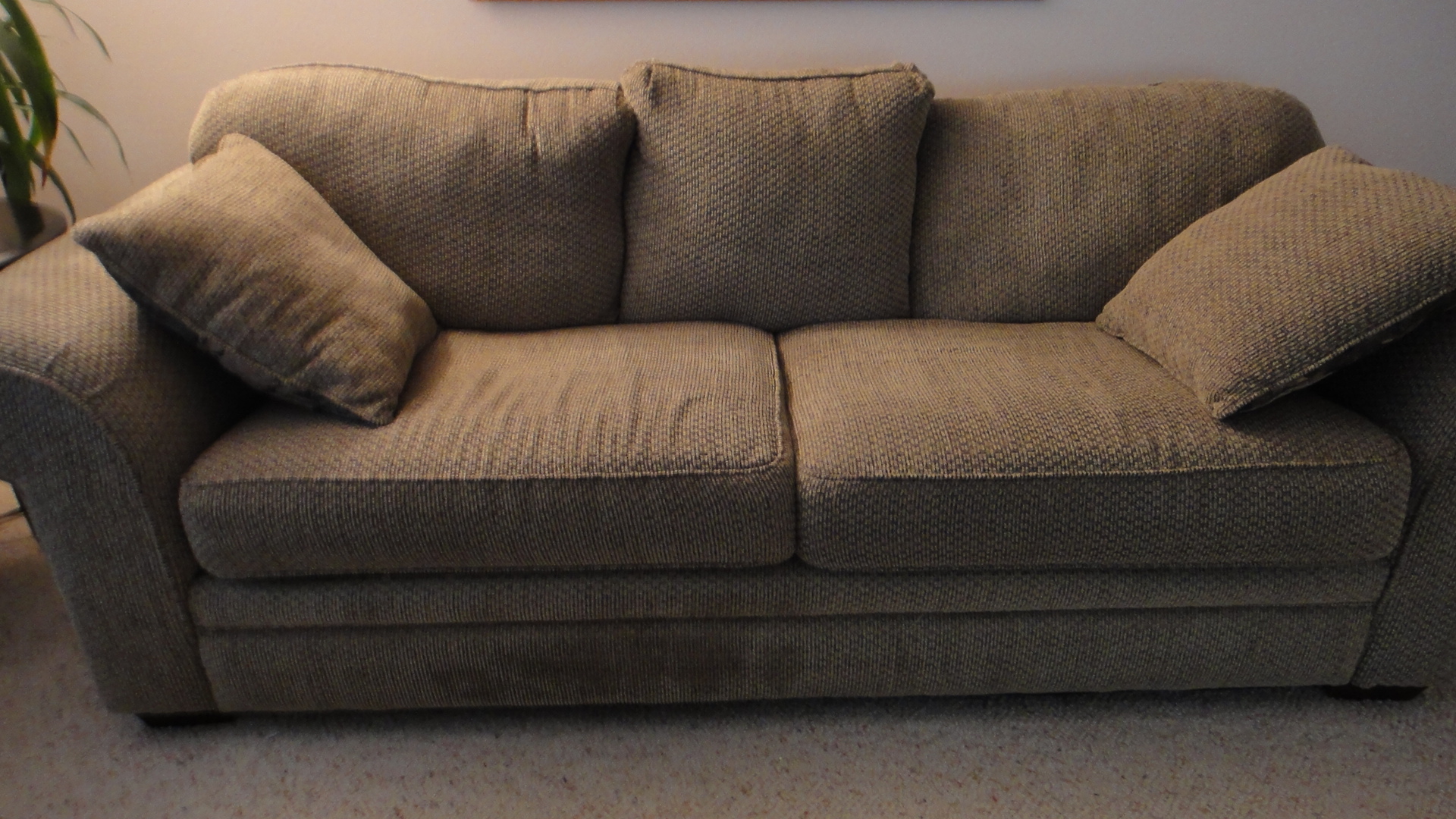
 

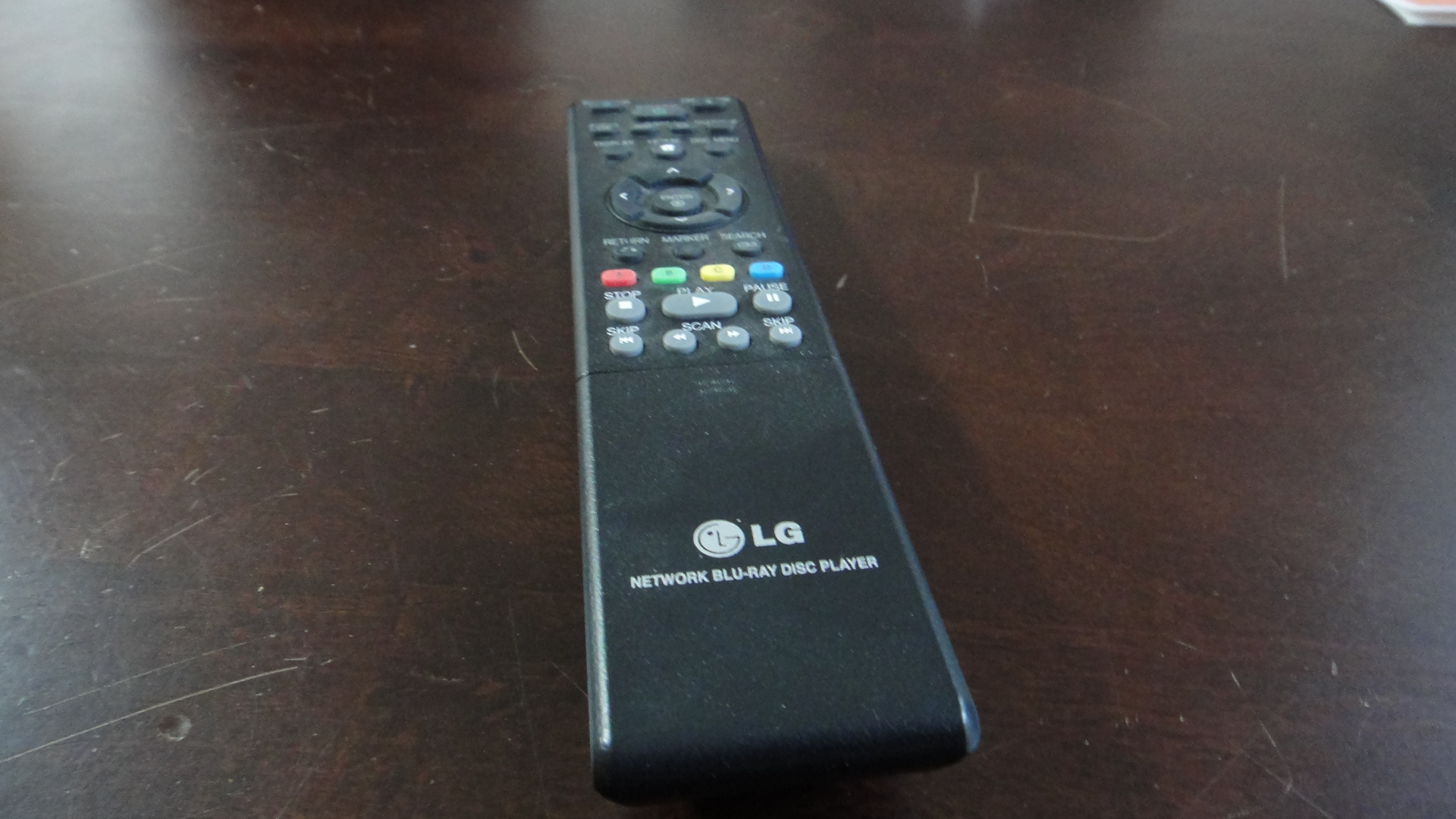
I originally developed these exercises for the garden-variety couch potato. It requires a couch, a remote control, and up to a half cup of chocolate chips. I will share a few of them with you here on this blog for free. The complete set of exercises, including the advanced levels that include how to use melted chocolate  will be available for download as soon as I secure funding.
The Shrug

Place a chocolate chip on each shoulder. Slowly raise your left shoulder, turn your head, and try to eat the chocolate chip. Repeat on the right side. Do this as many times as you want. You should feel a stretch in your neck.

The Gate

Place a chocolate chip on top of each hand. Lean slightly forward and extend your arms out to the side. Now bend one arm, bringing it toward your mouth, but keeping it parallel to the couch. Eat the chocolate chip, and do the same with the other arm. Once you become adept at this, you can increase the number of chocolate chips on each hand. Imagine your arms are little gates that open and close into rooms of chocolate. Push into the stretch.

The Couch Lunge

This is one of the more difficult moves, but it also gives your back a nice stretch. Sit upright. Place a chocolate chip on each knee. As you lift your left leg up, bend forward to reach the chocolate. Repeat on the other side. If you find it too difficult, place a pillow on your knees, put the chocolate chips on that, and just fall forward.


As with all exercise routines, you have to remember not to strain yourself. At some point, you will run out of chocolate chips. When that happens, you can try these exercises:

Congratulatory neck turns

Place a pillow on each side of your spot on the couch. Close your eyes and hide the remote under one of the pillows. Open your eyes. Slowly look right and left, 5 times. Find the remote. Do imaginary high-fives 5 times with each hand.

Perpendicular arm lifts

Carefully position your body in the middle of the couch. If you are unaccustomed to moving, just inch your way toward the middle. Avoid strain of any kind. If there is a large indentation in the couch where you normally sit, place a pillow there, and no one will notice. Sit upright and place the remote on your knees. Reach forward with your right hand and grab the remote. Lift it straight up, over your head. Now lower it perpendicular to your knee and parallel to the back of the couch. Place the remote on the couch or end table (depending on the size of the couch). Switch hands and repeat. If this tires you, trying switching channels.

Ottoman leg lifts

Place the ottoman, coffee table, or other sturdy piece of furniture directly in front on you and at least six inches from the couch. Raise one leg, place it on the ottoman, then the other. Do sets of one, three times. Stop and rehydrate.


(CAUTION: Check with your doctor before beginning rigorous exercise routines!)


On the soon-to-be-released DVDs, you will see how you can adapt these exercises using a laptop or a large computer and mouse. You’ll be amazed at what happens to your body if you incorporate these exercises into your daily sitting.
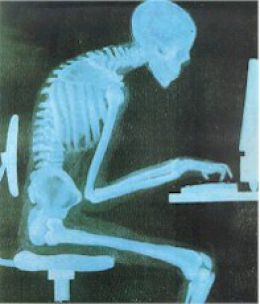
The diagnosis

Standard

When you look in the mirror, do you look more circular than before? Have your hips begun to explore the horizon, one heading east and the other west? Do all of your new best friends have names like imrtru and lovesickcarrots? Do you understand what imrtru stands for? Have you started eating all of your meals with your imaginary friends in front of a computer screen? Have you experienced dropped eye syndrome: you find it difficult to raise your eyes from the screen to focus on live human beings? Do you sometimes discover that your spouse is gone and you have no idea where because you weren’t listening to a word he or she said because you were commenting on someone’s blog? Do you know the names of all your blog friends’ pets, but regularly forget the names of your spouse and children? Are you increasingly upset with people because they breathe and it breaks your concentration while you are reading online? If they chew food near you when you are trying to read, do you feel the urge to throw things at them?


If you answered yes to these questions, you need help. Probably more than I can give you. You have the classic symptoms of sittentuberlocus. (See below for an explanation of this word.) In layman’s terms, you are a couch potato. However, your case is more serious; your sickness is coupled with bloggitis: a serious inflammation of the brain. People with this disease often begin to grow large potato-like lumps on their bodies, called fat. Their vocal cords atrophy due to lack of use. Their hearing becomes increasingly sensitive and they startle at the sound of human voices. Bouts of chortling and sniggering are common, triggered by words and images on their computer screens. If the disease is left unattended, these people are usually left unattended because their caretakers can no longer communicate with them. The final prognosis is brain freeze, known as “death by blogging.”


What can be done? Frankly, not much.


However, I have developed a revolutionary new treatment that I am offering you free of charge! It is so new and revolutionary that I haven’t even fully developed it. So, you will need to come back tomorrow to find out more. But I can promise you this: my treatment will in no way cure you, change your life, help you make friends, succeed in business, or get published. In fact, I am so confident of that claim that I am offering a money-back guarantee!


See you tomorrow.


(*See above for the word: Few people have taken the time to research the etymology of this word. Sitten is Low German for “sit,” tuber is Latin for “hump or swelling,” and locus has two possible sources. Some say it comes from the Latin and means “location.” However, others, like myself, who have spent more than 30 minutes researching the word, believe it comes from the Spanish word loco, which is a nice way to say “crazy.” So it could either be translated as “the place a potato sits” or “crazy sitting potato.” Please note that although we call people with this disease “couch potatoes,” not all of them are found on couches. Some sit in recliners that rock.)


Photo found here.

Icy confessions

Standard


Few people know that I am a reformed serial killer.


While posing as a mild-mannered wife and mother, I regularly tortured and murdered plants, then buried the evidence. I can’t blame any childhood trauma. My mother had a green thumb, not gangrenous green, but more of a pale, pale sea green. I believe it was on her right hand. I never saw her harm a plant.


I regularly checked my thumbs when I was growing up, wondering if one of them would turn green. It never happened. In spite of that, I was drawn to plants. In my free time I wandered into adult garden shops and stalked plants. Most of the patrons, like my mother, had green thumbs. Invariably I wore gloves. In the winter I used the excuse of the cold; in the summer, I lied and said I suffered from scabies. I always chose a healthy, green plant. After I brought it home, I would whisper promises to it of a happy, fruitful life in my care. I always tried to make it comfortable before I killed it. I couldn’t help myself.


A few years ago, one of my daughters got a potted orchid plant as a gift. The uninitiated call it a Moth orchid; scientists, who use Latin like a secret handshake, call it Phalaenopsis; and orchid growers often shorten that to Phal (rhymes with “pal” but with an “f” sound).


When my daughter got her own apartment, she left the plant in my care. Somehow it has survived, and not only survived but thrived. All I ever do is give it three ice cubes a week. Yes, ice cubes. On orchids.


Does that make me sound like a cold person? If you are an orchid grower/lover you may be ready to throw potting soil at me. But please don’t get your roots all in a tangle. In spite of what you might think, I am not torturing the plant. Last year after it bloomed for several months, I repotted it, and this year it bloomed again. The plant loves me; it’s my Phal pal. Trust me, it is cool with the ice cubes.


If you go to forums for orchid lovers you will discover that by raising my “deformed overcloned” orchid I am on my way to misinforming 50,000 imaginary readers that using ice cubes on orchids is acceptable behavior. Why? Because I am a blooming idiot, a pawn of orchid sellers, a dupe of Martha Stewart, and a person likely to give boiling water to my imaginary dog and cat. I dug through several forums searching in vain for any mention that I was also a troll, the highest form of disparagement on most forums, but didn’t unearth a single mention.


Real orchid growers don’t think much of people like me, as you can see from the comments below. (Note: No spellings were harmed in the replanting of these comments.)


I would never ever in a million years water them with ice. Although I can see this as a great way to get people to buy them and then subsequently kill them so they buy more.


Now that I’ve done some research it seems like the whole ice idea is a crock and actually harmful for my phal.


Yes, that is the single worst piece of cultural advice I’ve ever heard, and unfortunately it is well entrenched ‘common wisdom’. I think it is Martha Stewart’s fault, and she should be locked up again if only for that.


Thank goodness that this absurd advice is not seen on tags here in Europe. They write other idiot things, but not that bad.


…these phals will look like deformed overcloned throw-aways. I am always rather disgusted when I see them. I’m not even tempted to buy.


My answer is always ” Tell me… is there any ice dropping from the skys in the jungle where they grow?!


…the double unfortunate thing is that is does work for a few people in certain circumstances ( esp here in hot FL ) and they tell 50,000 other people who believe them…


You wouldn’t give your dog or cat boiling water would you? Then don’t give your tropical plants ice!


I don’t hold hard feelings against these people. Just as there is more than one way to skin a cat or boil a dog, there is more than one way to raise an orchid. Ice works for me and mine.


Since I started caring for the orchid, my husband has bought several plants for me. All are doing well. And in the early morning light, when I squench my eyes, and right before I glance away, my right thumb looks pale, pale green. I feel like I’ve turned over a new leaf.

History and the Will Cuppy cure

Standard

Today’s Special is a guest post by Courtenay Bluebird


History did not always bore me.  To put my stomach off history for an entire decade, the following three synchronous events had to coalesce:  three required undergraduate history credits; an unusually hot summer; and a professor who specialized in reading for four hours straight from a textbook that was written in a soda-flat monotone.


Et voilà!  I despised history as a solo subject for many years.  That aversion could be quite problematic when you’re a journalist and an MFA candidate.


If plain history were mixed with a little bit of, say, literary theory, I was fine.  I could stand the flat taste of historical fact if you mixed in the sociology of clothing.


Postmodern theory (Thanks a lot art school MFA!) leans heavily on the ideas of multiple histories  (history is a story; a story is a flawed construct) and historicism (no history is absolute; history is a combination of different disciplines).  Both of these items also sat well on my stomach, as they were light on the history and heavy on the theory.


History as a standalone subject, though, induced an intellectual queasiness in me that I tried to keep to myself.  When an entire subject area makes you dyspeptic and you are trying to teach college students to be open minded— you have a real problem.


I didn’t know how to fix my history issue.  I didn’t even know how to try to fix it.  Worse, even, I didn’t care to repair my history problem.


Do you know who healed my rift with history?


Oh, you’ll never guess, so let me tell you.


My mail carrier, a bibliophile of intense and diverse tastes, introduced me to a catalogue filled with drool-worthy books—  Bas Bleu.  (Bas Bleu is the French term for a bluestocking, a 19th century word for an aristocratic, educated lady.  The catalogue’s motto is “Champion for the small little book….” Don’t you love it already? )


My pip of a mail carrier introduced me to Bas Bleu and Bas Bleu gave me a formal posthumous introduction to Will Cuppy, a once popular and fascinating writer who specialized in humor and facts.


Facts.  Historical facts.  In fact, merely considering reading history made my stomach twitch.  I thumbed-down the page and waited for the sensation to pass.  It took three weeks.


After a little dithering, I ordered Cuppy’s back-in-print The Decline and Fall of Practically Everybody.  I fell in love with history for history’s sake again.  Not historicism.  Not history as a by-product of other interests.  Hardcore, unrepentant history.


Will Cuppy gave me back my own birthright— a curiosity about what happened where, to whom, and how the pattern of history repeats, indefinitely, like a crazy quilt made by your colorblind aunt.


Cuppy’s intense abilities come down to one incredibly difficult literary trick.


He could take any subject— world civilization, natural sciences, home economics — and with an astonishing sleight-of-hand— reduce it to its essential elements and make it pithy.  His writing style leans into this brevity, but do not be deceived— the research behind his tight sentences could, and did, take years at a stretch.


Most of his books were out of print for a few decades with the exception of Decline.  Like many writers I love, Cuppy went through a brief period after his death where people forgot how wonderful he was, where editors forgot how Cuppy gave their readers the gift of knowledge with ease, where literary reviewers forgot that writers could convey history without that self-congratulatory grandiosity that causes emotional vertigo in the average reader.


After reading Cuppy, no bland recitation of facts and figures could possibly evoke the great forces that make lives and countries collide and collude.  Cuppy, Bas Bleu, and my mail carrier, gave history back to me so sweetly and simply that really I can hardly believe my luck.  I never thought I’d love history again.


But here is my heart on the sleeve of my t-shirt— I adore history.  And here I am, late at night, relishing that soon I will lie down on my bed in a small pool of light to read an exquisite history of Sri Lanka.   I’ve read it six times before.  I’ll read it six times again.  It’s true— history repeats itself, cover to cover and back again.


Would you like to know more about Will Cuppy?  A well-written overview can be found on Wikipedia here!  In fact, Cuppy is so quotable, he has his on Wiki Quote page over here.


Want some more great news?  His writing is so popular again, according to the lovely Yearstricken, that my favorite Cuppy book The Decline and Fall of Practically Everybody is on backorder at Amazon.  Bas Bleu is still my go-to for new reprints of beloved favorites.  I highly recommend that you bebop to their website here.


And, finally, do you want to read my favorite history of modern Sri Lanka, in brief?  It’s gorgeous.  Michael Ondaatje’s  Running in the Family is so fine I give it as gift to new writers all the time.


 Courtenay Bluebird is a professional writer and   photographer, and a sort-of artist.  As she is currently writing about herself in the third person, she would like to tell you this is the first time she has shown her drawings to any sort of public.

As a writer, she has penned features and columns for major newspapers and magazines.   Her poetry, essays, and fiction have been published in a variety of respected journals.  As a photographer, she has hung four two-person shows.
Bluebird Blvd. is her first real grown-up blog.  And she’s awfully happy to be a guest writer on Year-Struck today.


Birdwatching

Standard

For a short stretch of time, we lived in South Carolina where we rented a house with a fig tree in the back yard. It stood close to the house, near the kitchen window, so when I washed the dishes I could see the birds eat my dessert for me. My neighbor taught me to how to preserve figs and watermelon rind, but I preferred figs fresh. Just like the birds.


Seeing those pretty little thieves sitting in the fig tree got me interested in birding. I got my husband a nice pair of binoculars, so we could spy on the birds when we took the children to the park.


I was never a serious birder. No matter how many times I looked at those bird identification books, I couldn’t match the pictures with the feathered creatures in the trees. Plus, the birds tended to be too fluttery for me to identify the small crescent-shaped marking on the belly of the males that appears on cloudless days between 2 a.m. to 7 a.m. during the nesting period. The woods are full them, the guidebooks promised, and they’re hard to miss. But miss them, I did.


Mostly I just pointed the binoculars in the direction of the trees, waited for something with wings to fly by. After it landed, I watched it. I recognized a few birds by sight – the cardinal, the blue jay, the tanager, and the redheaded woodpecker. Otherwise, I identified the birds by their colors. I see a gray bird with a white necklace! Oh, look, there’s a brownish bird with spots wearing yellow eye shadow! Occasionally, I let my husband use the binoculars, since I bought them for him. But I didn’t like to let him use them too long; someone needed to watch the children.


I would like to take up birding. My husband, however, shows no enthusiasm for the idea, even though he likes birds and maintains the bird feeder in the back yard. Perhaps if I bought another pair of binoculars, he would like the idea better.


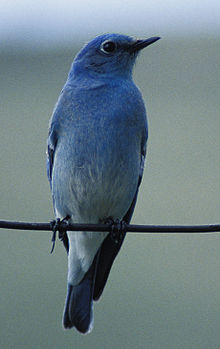
So I’ve taken up a bit of bird watching on the Internet. A few months ago, I was walking through the blog forest, looking for something with wings, when I found myself on Bluebird Blvd. I discovered that a bluebird of sorts lived there; one gifted with a beautiful voice. Sometimes she sings a song so happy the trees bud; sometimes she trills a poem or tweets until you laugh; but she always makes you glad you stopped to listen.


Tomorrow, Courtenay from Bluebird Blvd. will fly over to my blog and sing a song of words for you. I’m so pleased. Come back tomorrow and I guarantee you’ll be pleased, too.


In disguise

Standard

My body is serious about getting old. Each day it tries a little harder to sag or wrinkle, and I have to say, it’s doing a very good job. The “me” inside the body tried getting older once, tried to be suave and debonair, but it didn’t work. Say the word “suave” and I see shampoo and thighs (both are “proven to volumnize”); say the word “debonair” and I visualize air freshener: Does your home smell naïve? Try Debonair! It’s the smell of sophistication.

Not that I can’t be serious; it’s just that I can’t be serious for long periods of time.


The other day I was in the car listening to WPR (Wisconsin Public Radio) as former U.S. Senator Russ Feingold unbuckled the truth about what is happening inside the Washington Beltway. When I stopped at a light, I noticed the car in front of me had a license plate from Iowa. I forgot all about politics because I suddenly wanted to flag the man over to ask him his last name. Let it be Lott, I thought. If not, I’ve got to stop this internal rhyming and move to Iowa, change my last name to Lott, and have people call me Iowa Lott. As I turned the corner ,I saw a sign at the gas station that said, “Pay Inside.” I envisioned myself buying gas, going inside, and yapping. Then I would point to the word “Pay” on the sign and say, “I’m half-dyslexic.”


Russ was still talking sensibly when I got back, and I made it safely home without pulling anyone over or yapping inside of the gas station.


Pretending to be a grownup is a tiresome, but necessary business. If I said and did the things my fifth-grade self would like to say and do, I would be institutionalized. That’s why it’s hard to fault my body for its relentless determination to grow old. It’s the perfect disguise.


‡Spray bottle photo borrowed from http://www.mt-packaging.com/and slightly altered by yearstricken, who loves a company with a sense of humor. They sell packaging, like empty cans to put your spray in, and their name is MT.

A writing life

Standard

I’ve been writing all my life.


At first I merely drooled my poems on my mother’s shoulder. She never understood. I wrote on cloth day after day in words so rude my mother washed them all away. I scrawled runes on walls with crayons about my fear of farmer’s wives with knives and cradles that fall down, but none could parse my text.


My early days in school, I learned to wield a yellow pencil, its lead held every word I knew. My large block letters stayed between the lines, like banners on the page. The sky is big. The sky is blue. The clouds are white. I like the sky. I was Hemingway in pigtails.


Those middle years in school, I self-published a thousand reports, wrote memoirs every fall for teachers who pined for summers past, and critiqued more than a hundred books for free.


In high school, poems fell from my pen at an alarming rate. None survived the fall. They carried too much angst, unrequited love, and dark thoughts to land upon the page unscathed. I found poems and stories in a typewriter many years ago, then lost them when I moved away.


All the writing that I’ve done since, I’ve hidden in a drawer or filed away. My words have been a secret I whisper only to myself. I share them now because I’ve grown brave or old or maybe both.


I’ve been writing all my life.

Keeping memories

Standard

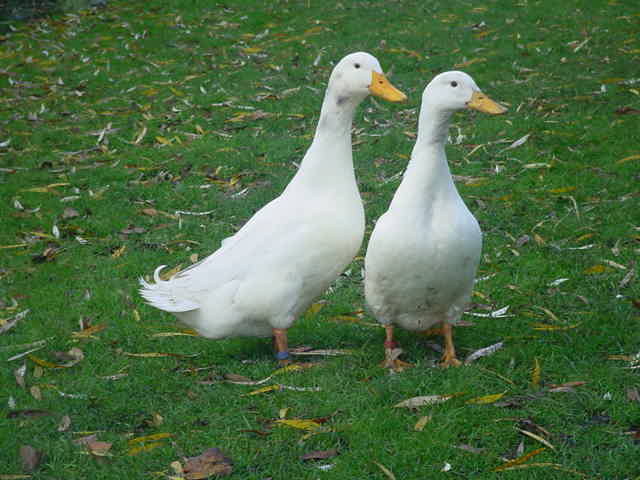
When I was five years old, we lived on Edith Street in El Paso, Texas. Most of the time when I walked out the door, I turned right. My best friend, Terry, lived in that direction and the road around that corner led to the convenience store where we bought candy bars, comic books, and the occasional cigarette. If I went bike riding or roller skating, I might turn left. Down the street in that direction, I would pass by two white ceramic ducks sitting in a neighbor’s yard.


The ducks sat there day after day watching me roll by until one day they got up and walked around. I remember it clear as day. It’s one of my special childhood memories that never happened. Yet the impossibility of it doesn’t stop me from remembering it.


Duck! Here comes the little dreamer.
Photo from http://www.poultryclubsa.co.za/wp-content/uploads/Duck-High-Flyer.jpg


I spent most of childhood outside; we all did back then. But on Saturday morning, we stayed inside to watch cartoons. I spent hours watching that naughty putty tat Sylvester stalk Tweety Bird, Betty Boop sing and dance, Woody Woodpecker stir up trouble, and the Road Runner escape from Wile E. Coyote. For years afterward, I had fond but vague memories of a character called Daffy Fuddlebug. Only when I dragged it into the daylight and showed it to my sister did I realize I had conflated three characters (Daffy Duck, Elmer Fudd and Bugs Bunny) into one.


Memories are the artifacts of the lives I have lived: the small child, the lost teenager, the young woman, the wife, the mother, the teacher, the dreamer. Like one civilization built atop another, each life was built upon the one before; and hidden in each layer, the memories, quite a few still intact, their dates carefully stamped on the bottom; others of uncertain date but recognizable; and many, many broken shards, some still sharp and dangerous, others soft-edged from being buried so long. I have built a museum of words and images where I keep these memories.


Sometimes I go there and wander through the quiet rooms, trying to understand the history of my life, believing it will help me live a better life today and in my future. I see that I have mistaken dreams for memories; those early ones often look alike to me. And I have mislabeled a few; the details and faces obscured by time. I leave them as they are; my misremembering is as much a part of me as my remembering. Memories are not facts; they are part of the story we tell ourselves. They may not be real in the way we define facts; but like all good stories, they are true. So I do my best to remember them; and try as I might, I cannot let go of my fond but vague memory of Daffy Fuddlebug.


The other f-word

Standard

This week I used the f-word in a conversation with my grandchild. Not the four-letter f-word; that one continues to grow weaker with each use in its tiresome march toward banality. I used the other one, the three-letter f-word, which according to my grandchild, isn’t nice.


We were poodles at the time, so we had to call our lunch “dog food.” One minute we were talking about how poodles enjoy eating worms, the grandchild’s take on our pesto pasta; and the next minute, we were discussing Santa Claus and pregnant women. If you have ever talked to a poodle, you understand that they have wide-ranging interests. When we talked about Santa, I said his belly was fat. That led to the “not nice” comment.


I agreed and said we shouldn’t call people fat. It’s fine for imaginary people, but real people come in all sizes. Some are big and some are small, I said. We shouldn’t call bigger people fat.


Satisfied that I had learned my lesson about calling people fat, the little poodle said, “We can tell big people, ‘You look fat, but you’re not fat.’”


Small children and poodles are literalists. They understand the denotation, literal meaning, of a word; but they can also understand the connotations, other words and emotions associated with a word. Fat in its literal meaning refers to the size of a person’s body; but it is stuffed with connotations. Fat is more often used as a pejorative, a sign of moral failure, and implies that a person is lazy, dull, or stupid.


We have many synonyms for fat: corpulent, obese, chubby, plump, thick-set, and pudgy, just to name a few. But “fat” appears in print earlier than all the rest. It comes from the Old English word fǽtt and shows up in writings around the late 9th century.


In every day speech, we favor words with Old English roots. According to the University of Texas website, half of the thousand most commonly used words in English come from Old English. That includes pronouns, prepositions, conjunctions and all those short, direct words like fast, good, wonder, water, and “word” itself. You can’t open your mouth without one of those ancient words strolling out.


Talking about fat is delicate business because the connotations keep getting in the way. We can use words like overweight, big, and heavy to talk about body size, but “fat” will still be there. Eliminating it from our bodies is possible; eliminating it from our lexicon is near impossible.


In the U.S., about one-third of our children have more stored fat than they need. At school and on the playground they hear the three-letter f-word all of the time. Name-calling causes a lot of emotional pain and suffering, so we need to teach children not to call other people fat. But having too much fat on a body causes a lot of physical pain and suffering, so we need to feed our children real food; then they will be healthy and won’t get called names.

Snacking with the grandchild
Photo by Tom and Pat Leeson, Vancouver, Washington, USA at ahttp://www.mnh.si.edu

My grandchild and I went to the zoo after lunch. By the time we got home, we were otters, hungry ones, so we munched on carrots and tangerines, and talked about the animals we had seen.


We feed our children both information and food. We can teach them to speak nicely about others, and we can teach them to eat good food. Both are necessary, and both are nice, that is to say, in good taste.

Twee

Standard

Words are like people. Some of them look alike because they come from the same parentage. Both “sanguine” and “sanguinary” are adjectives and were born from sanguis, Latin for blood. So, after learning that a sanguine person is cheerful or optimistic, you might run into the word “sanguinary” while reading a text, look at its ruddy face, and expect it to tell you a joke or recite an inspiring quote. Don’t be surprised if it pulls out a knife and threatens you. The only thing it’s cheerful about is bloodshed and cruelty.


Other words, like the nouns “desert” and “dessert” look so much alike, people can hardly tell the difference. If you look closely, you’ll see that “dessert” looks more curvaceous. It’s that extra “s” in the middle. They’re not related although both words have ancestors who came from the Latin. Other than that, the only similarity is that desert is a waste place, and dessert goes to a waist place.


The other day I ran into “twee” online. It was modifying a noun, music, and speaking in a colloquial accent telling everyone who would listen that the music was sickeningly sweet.  I’ve heard it say things like that before. It also has the remarkable ability to make bird sounds. You may have heard it imitate the wren by saying twee-twee-twee.


1916 cover (Wikipedia)


Twee in its original sense of sweet or dainty first appeared in print in the British magazine, Punch, around 1905. Someone heard a children pronouncing “sweet” as “tweet,” then took the word and dropped the “t.” It was the linguistic form of stealing candy from a baby. Now it disparages music and people by calling them mawkish or overly sentimental.


I like how the word sounds. Twee rhymes with glee and whee, words of enthusiasm and joy. I’ve heard birds chirp it, and I’ve had small children answer “Twee” when I asked their age. Elmer Fudd climbed twees looking for that wascally wabbit, Bugs Bunny. “Be vewy, vewy quiet, I’m hunting wabbits,” he used to say. Twee is a word that fits in your pocket, a small joke of a word, a word with punch.


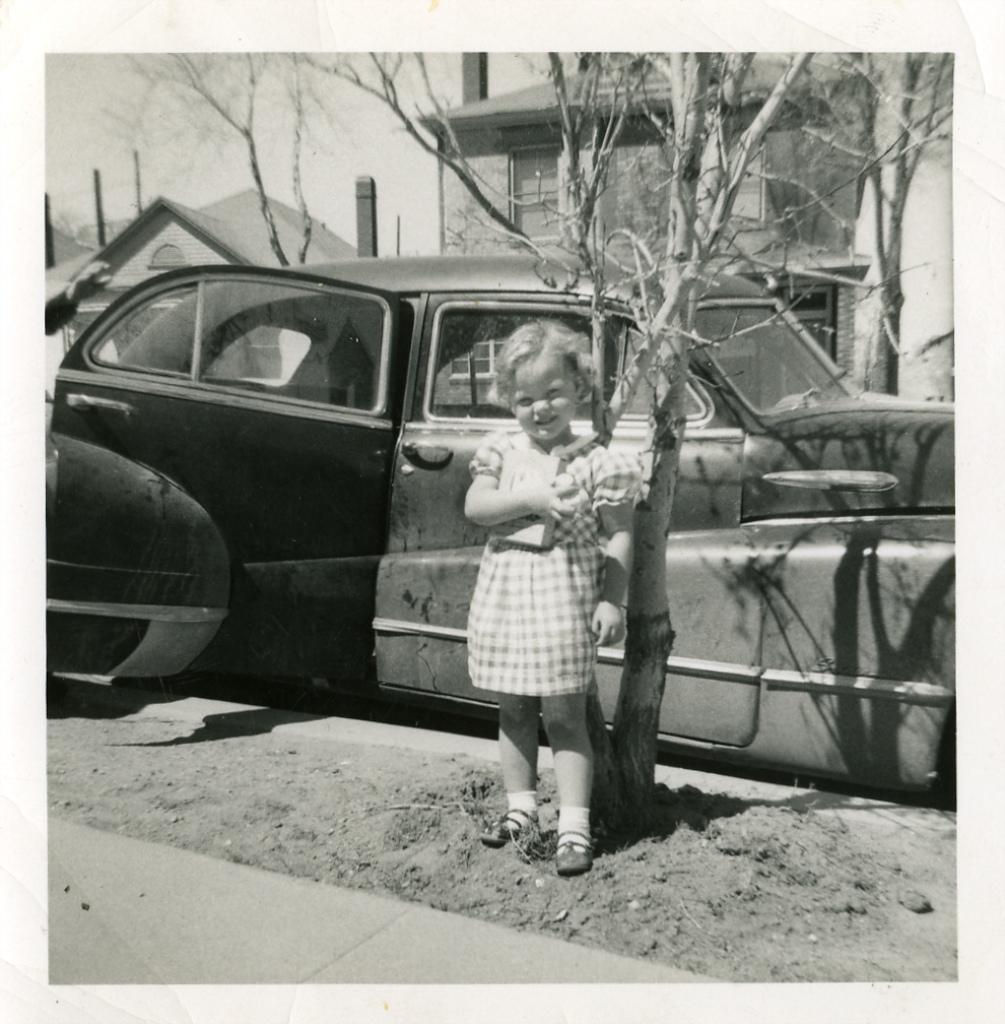
When sister was twee, she stood front of a twee. You can almost hear the birds singing, "Twee, twee, twee."


Even though the masters of irony and sophistication have forced twee to make disparaging remarks about other people, I won’t abandon it. That’s just its corrupted twin. Elmer Fudd and I know the real twee, and any word that is a friend of birds, Elmer, and three-year-olds is a friend of mine.


Portrait of Elmer J. Fudd courtesy of Wikipedia.