Entering the past

Standard


Deep summer. I raise my hand to shield my eyes and smell orange blossoms. Traces of sunscreen streak my arms.  I stand in a swimming pool, waiting, watching the sunlight shatter again and again on the surface of the water. I can’t say for sure what I’m waiting for.


My hair turned green from the chlorine one summer long ago. Day after day I dipped below the surface, swimming through the hours, under the freckling sun. I counted swimming as bathing. I think about that summer and the things I can’t remember but want to. I rummage through my memories looking, find a page torn from a book, a faded photograph of someone I vaguely remember, but no name is written on the back. My past is the long chain of days I drag behind me.


A child stands on the edge of the pool, jumps, and splashes near me. I remember diving off the high dive when I was only six or seven. Into the deep. Unafraid.


A woman calls to the child to get out of the pool. I remember mother warning me that my lips were blue, and I needed to warm myself on the hot cement.  I turn and look behind me, but nothing is there.  The past is here, not behind.


I look at my feet; my legs below the surface disconnected to the part of my body above the water. I touch the boundary, the water’s skin freckled with light that divides air and water; the light bends, and nothing below looks the same again. What if time isn’t measured in length, but in depth? Perhaps I have stepped into the pool of time, and as I walk deeper into the future, more and more of me is in the past below. Eventually, the past will completely swallow me up.


I stand, staring at my legs, displaced by light. I cannot align them with my body, but I can feel them. I let them carry me deeper.


Someone calls my name. I close my eyes, take a deep breath, and dive into the cool water, heading for the other side.

 

New shoes can change your life

Standard


Women of a certain age can stop walking on tiptoes, trying to avoid the shards of all those mirrors thrown at them.


In their sensible shoes, they can walk on eggshells, crush them to a fine powder, and tell the world the bare-faced truth.


They can finally learn to please their own soles.


Women of a certain age are certain about this: new shoes can change your life.


I know, for I have walked a mile or more in my mother’s shoes, and my feet ache. So now, I’ll walk a while in my father’s shoes.


It’s okay.


I’m of a certain age.


( Tiptoes from here.)

How books find people: An introduction

Standard


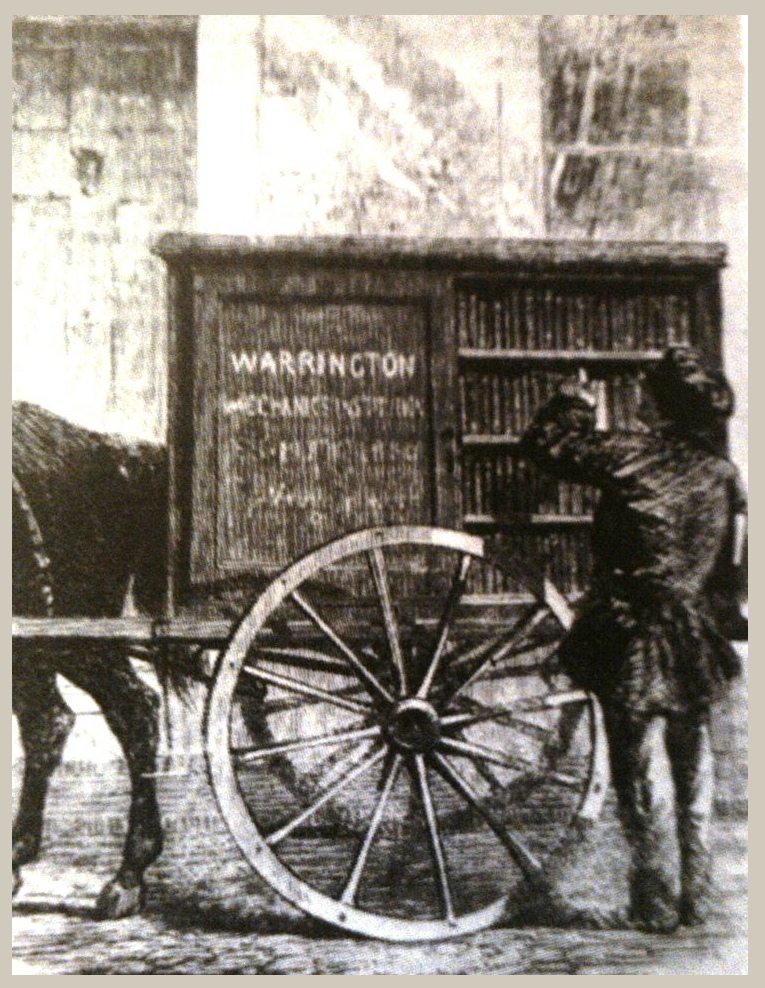
The Perambulating Library (UK, 1858, Wikimedia Commons)


The book finds you.


In the library, you enter the sea of books; your eyes swim across the stacks, nibbling at the titles. Or the book lures your hand to the shelf to read some pages. Then, the book, the one that is hungry for you, catches you like a fish and reels you in. You may not even feel the hook. Using some sweet bait of words, the book snags your heart or mind and pulls you through its pages into a world or place so new, so old, so strange, so familiar, you can hardly breathe. And when you are thrown back into the world, you are not afraid. You come back to the places the books wait, angling for you.


You don’t find the book; the book finds you.


A book is looking for you; go to the library and let it find you.


Next: How books find people: Libraries

At the end

Standard

In the last hours of the last days of the last week, a lone teacher wanders across the ruins of the semester seeking a place of rest. Papers flutter in the wind, obscuring the sun. Students run after the papers looking for the ones marked “A.” These papers are light and float upward on the breeze, so they are difficult to catch. It takes a great deal of skill. The ones marked “B” or “C” are easier to find but still require effort to capture. The heavier papers, “D” and “F,” litter the ground; the crowd tramples them underfoot. A few students grab them from the ground and hurry off. Many of the students ignore the teacher; one or two bump into her and move on.


She remembers silence and wonders where it has gone. A thousand voices merge into a cacophony of sound; life is a roar of demands.


She grows numb. The noise blinds her, and she struggles to remember how she got to this place and why she is here.


Three young men approach her. They smile shyly and hand her a gift: three small pyramids and a sphinx, carved out of wood. “Thank you,” they say. The words help her focus. Her eyes adjust and she remembers their faces. Two are Egyptians on their way back home; they have spent the last year studying English. Both took part in the Egyptian Revolution. They carry dreams of democracy and a better life. The third man will return to Ghana to continue his studies in agricultural engineering. He tells me he will use his skills to help his country.


The teacher’s eyes brighten. She notices a small crowd of students standing before her, some with small gifts, but all with words of thanks. The young woman from Pakistan will start a foundation to help women in her country; the Korean woman needs to finish her degree in mechanical engineering; and the young man from Belgium will pursue a career in politics once he finishes his education.


One by one the students seek her out. They shake her hand or give her hugs. The quiet woman from Jordan kisses her on each cheek. They each speak the language of joy, and the teacher’s heart grows strong with gratitude. She thanks them in return.


Looking at all their faces, she sees the world and remembers why she is here.


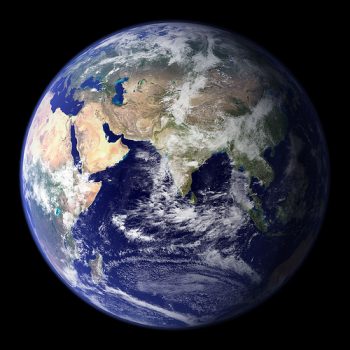
NASA Blue Marble (Flickr Creative Commons/NASA Goddard Photo and Video)


Missing Mother Days

Standard

I left Mother twice.


First, I left her cloistered womb. I didn’t want to go, but it was my birthday; and she insisted. I never would have left if she hadn’t pushed me out the door. It ended in tears for both of us.


Mother took me to a house with empty spaces. We lived alone and together. One by one the years came, filling all the rooms, crowding me until I had to leave. I opened the door by myself and left without a tear.


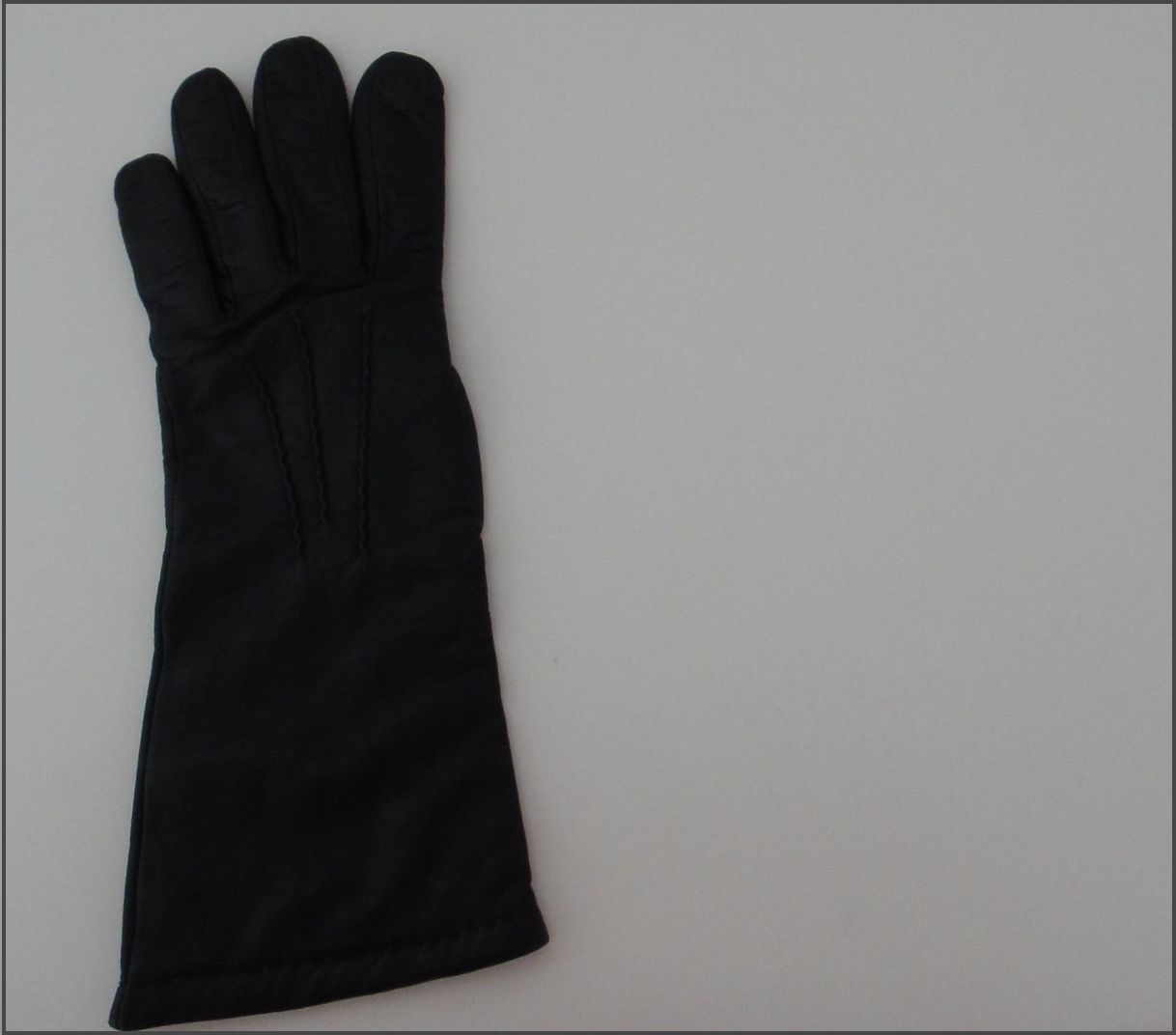
I kissed Mother once, the day she left her house. She locked the door and left without her gloves, though her hands were cold. I cried that day; she didn’t say a word.


I wore Mother’s gloves to fill the empty spaces. They helped me face the cold, and finally grasp what she did.


I missed Mother the day I lost her glove on my way home. The right one disappeared; I only have the left.


I missed Mother more that day than all the days before.


Night and day

Standard

I remember stars.


The sun blazed in my childhood sky, began its work at dawn and moved through the field of blue, scattering its seed. In the deep black soil of night, those seeds burst forth with light.


I ran through summer nights, shoes forgotten, countless blades of grass beneath my feet, countless blooms of light above my head, believing they would always be there.


Like the sun, I moved away from my own dawn and lullabies, but on summer nights, lying in the cool grass, I wondered at the stars, up above the world, so bright.


Now I wonder if the stars are birds that fly across the sky, following the behemoth sun, who lurches through the day, clothed in blinding brass, pushing aside the hours in search of something long forgotten.


My night sky is almost empty now, the birds captured, caged in jars that line the roads I travel, hung on poles to light my way. Once they soared across the arch of night; I marked the seasons of their flight.


My old eyes, even in the dark of night, see what’s right before me, plain as day. I wonder if the sun is lonely, looking for the lights on the other side of the world, wondering where they have gone.


The grass still grows beneath my feet, conquering fields and planting green flags to mark its territory, but night is a barren field.


Day and night, I see what’s right before me, but I can no longer see what lies beyond.


I remember stars.


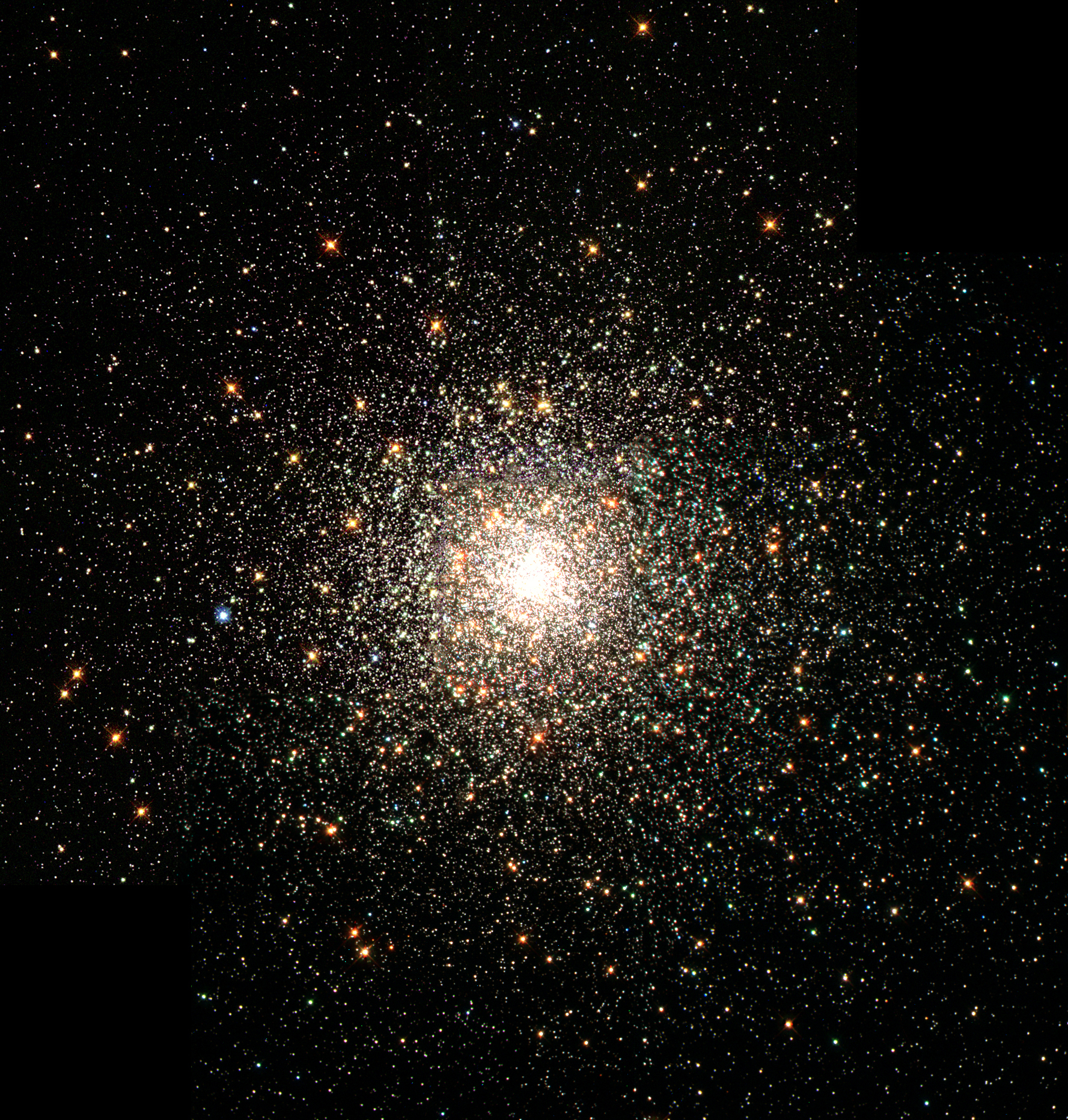
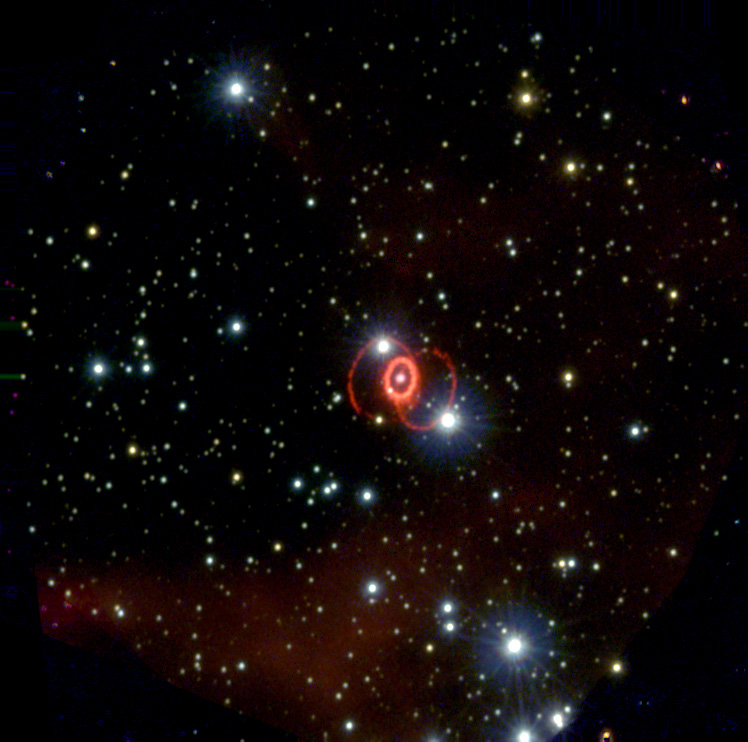
 Photos are courtesy of NASA, Hubblesite, and Wildfeuer.

Just 97 miles away

Standard


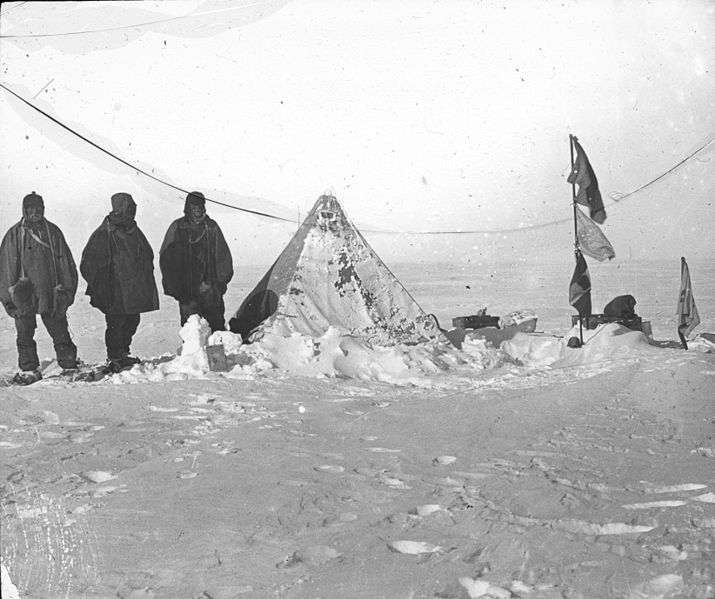
The magnetic pole drew Shackleton, called Ernest by friends and family. He had a vision of standing in the frozen south, looking north toward England. He faced the cold and vowed that he would reach “the end of the axis upon which this great round ball turns.”


On the first day of the year 1908, mid-summer in his upside world, Shackleton and the crew of the Nimrod sailed toward the bottom of the world. After 29 days, they could sail no more. The ice embraced the ship, and the cold plotted through the fall and winter to kill them, but they survived, waiting in the long darkness for the sun to rise again. When October turned spring, Shackleton and three others set out for zero longitude.


Like most of us, he almost reached his dream, just 97 miles short. That’s 156 kilometers for those who dream in other places.


Our dreams draw us, and in spite of hunger, frost-bitten feet, and the blinding white of despair, we slog on, so often turned back just miles from the place where we had hoped to plant our flags.


Yard bunny

Standard


I’m partial to polka dots, so I leave the dandelions alone. My next-door bunnies are partial to dandelion leaves, so I often see their polka-dot tails in my yard.


When I sit in my favorite chair, I can see the backyard through the large picture window. A chain-link fence encircles the yard, dividing it from the empty fields to the east and south. The uneven ground beneath the fence provides a portal for the bunnies to squeeze through and enjoy the green buffet that we provide.


An open door for bunnies.


Earlier this month, the weather warmed and my husband cut the grass: the first of the season. Mixed in with the cut grass were handfuls of rabbit fur that once lined a shallow depression in the ground: a former birthing center for rabbits. Now they live in the further field, near the neighbor’s lilac bush.


In the soft light of late afternoon, one or more bunnies slide under the fence to eat. Last week I spent thirty minutes in my chair with my binoculars watching a lone bunny in the yard.


The yard bunny as seen through my window.


He tiptoed near the fence looking for something good to eat, wearing earth’s own colors – raincloud gray, sandy brown, and sandpiper buff, all detailed in either onyx or snow. Seen through the binoculars, his fur bore a pattern like feathers, and when he raised his head, ears erect, turning this way and that, I half expected him to fly away.


He nibbled on some dandelion leaves and chewed so rapidly, it seemed a kind of mincing. Often he lifted his head and scanned the skies and yard. He read the trees and clouds with his large brown eyes and studied all its smells with his ever twitching nose. I have seen a hawk or two fly overhead on other days, and I suppose he has as well.


Satisfied that he was safe, he settled into himself, sinking into a mound of fur, his ears like tiny horns, and rested in his stillness. Sitting sphinxlike in the yard, I thought he looked magisterial, small in size but great in wisdom.


Then he flared his nose and let loose ripples of twitches that rolled over his body, as if he had held his giggles long enough and now must return to his bunny ways and leave wisdom for the owls.


After grazing a bit more, he sat up, fluttered his two front paws and licked them. He groomed himself as carefully as a young man on a first date, then froze, suddenly remembering that the world must be watched.


More of the bunny through the window.


I could have watched much longer, but he had other places to go.  Turning back toward the fence, he showed me his improbable tail: a cotton ball glued on by a child’s hand. I waved goodbye and turned back toward my book.


Every evening I look for the rabbits, delighted that we share the world together. I know that dandelions and rabbits are often called pests, and perhaps they are, but they fill my heart with wonder. In my own way, I think the world bears watching.