Simple past

Standard


Only in grammar

can you guarantee

a past, present, and future

that is perfect.


I have had my share

of that perfection,

but yesterday,

the verbs were restless.

Some sprouted –ings

and flew around the room

as nouns

as if flying were a thing

to be desired.


The rest,

tired of being active,

pulled on their participles

and just stood there,

describing things.


Some of the nouns,

envious of all the action,

broke into a dictionary

grabbed suffixes willy-nilly

and put them on like tails

to strut among the verbs

symbolizing

something.


So many things were

happening,

And while much of it

was clearly progressive,

I sat in that hubbub

and longed for my

simple past.

A journey and an explanation

Standard


Late August, they gave me a map and instructions. I planned my route, studied the names of the rivers, noted the areas to avoid, and headed out. Like all of the journeys before this, I set out with a heavy backpack and a light heart.

I have made this long trek across the months before and knew I would pass some familiar places. My legs, unused to walking after the long summer of watching clouds, complained and then grew silent. My back has never ceased to speak.

I have been schooled in maps, known, and walked them. A map is the story of the road, told true from first to last, but it is not the road. Contour lines, floating on the flat surface like ripples in a lake, are someone else’s story. Your feet must walk the road and find what elevation means.

I follow a path of beauty, canopied by a wide blue sky, days lined with slow smoldering trees that light the way. I know the sun will turn soon and the winds still the fires. I have a long acquaintance with winter.

Faces wait for me at each encampment; they are why I journey. The weary climb, the bruised feet, the hours setting up the camp – all are forgotten when we meet. I offer them my strength, teach them all I know, and trust they will remember some of what they learned for their own travels.

I have journeyed often and I have journeyed long, but I have never been so tired. Mid-October means I am halfway there. In December when the earth sleeps its longest night, I will sit before a fire and rest, tell stories of my trek, and remark on the terrain I covered.


For now, most of my writing must be in the lives and minds of my students.


The Flusher

Standard

111a Private Detective Canada Dec-1942 Includes Tell It to the F.B.I. by E. Hoffmann Price


On the street, they call me Johnny or The Flusher. My father gave me my name, John Flusher. He always hoped I’d grow up to be a plumber like him.


“Pops,” I told him, “that kind of work drains me. I need some excitement in my life. You know me, ‘danger’ is my middle name.”


“Your middle name is Mortimer,” he says.


We didn’t always see eye-to-eye, Pops and me, mostly because I was six inches taller, but he taught me to go after my dreams. “Be a plunger,” he always told me. So when I left home, I plunged into a life of learning how to survive on the streets. Now, I’m a P.I., just like the circumference of any circle divided by its diameter.


And I got more stories than the Empire State Building. Here’s one of them.


I pushed open the door, noting the busted lock. I seen the dead monkey when I walked into the room. Next thing you know (which ain’t really the next thing, but to save time, I skipped the scratching of my posterior), I stepped on a big wad of gum. As I looked down at the gooey strings connecting my shoe to the floor, the squirrel says, “Hey, gumshoe, looks like you stepped into another mess.”


I wanted to make a riposte, but I wasn’t sure what it was.


“I been tailing you, Louie,” I says, in spite of knowing better. All morning my subjects and verbs had been disagreeing, and I needed more coffee to do anything about it. “Your wife sent me. She knows you’ve been putting your acorns into more than one tree.”


Louie smiled, pointed to his tail, and says, “I’ve been tailed all my life, Johnny.” He smiled when he said that last line and put his arm around the dame beside him. She wore a fur coat that matched Louie’s and laughed every time he cracked a joke. She had the biggest two front teeth I’d ever seen. When she saw that I was staring, she flashed them at me and said, “Yeah, they’re real.”


I jerked my head toward the primate, “Who’s the guy in the monkey suit? And what happened to him?”


Louie cracks a nut and mutters, “Just a guy with a big mouth. We called him Howler. I told him to get off my back, see, but he wouldn’t listen. Plus he was a real swinger. Kept making moves on my doll here.” He pointed to a sock monkey the dame was holding.  “I told him to get out of town and I warned him I wasn’t monkeying around.”


The dame seemed too classy for Louie, but I could tell she was nuts about him. “Were you here when it happened?” I says, watching her crack an acorn with those teeth.


“Louie gave him a chance” she says, twitching her ears. “He told Howler to make like a banana and split, but Howler came out swinging. It was self-defense.”


I ignored her. Dames will say anything to protect their squirrel. I looked at Louie. I start off phonetically and asks, “Whadja use to kill him? A hammer, a gun, a steel object, or a Remington?”


Louie pointed to a pistol on the table. I walked over to the monkey. Poor sap looked like a PowerPoint presentation, he had so many bullets in him.


“Whose gun?” I says (incorrectly) again.


“It belongs to my son, Louie Louie.”


“Gun of a son,” I says, “I should’ve known.”


I walked back to the door and looked at the busted lock. “It’s a Shure Lock, Louie. They’re hard to bust. The monkey musta thought his home was safe with that thing on the door.”


Louie eats another nut and says, “Yeah, but Shure Lock homes don’t always keep you safe.”


Photo courtesy: http://www.flickr.com/photos/cthulhuwho1/


Fall fireworks

Standard


In deep summer when our fireworks splattered the night sky, the trees watched, admiring our short-lived brightness. Twenty seconds of spangled light is not bad for creatures who can’t sit still and have no roots.


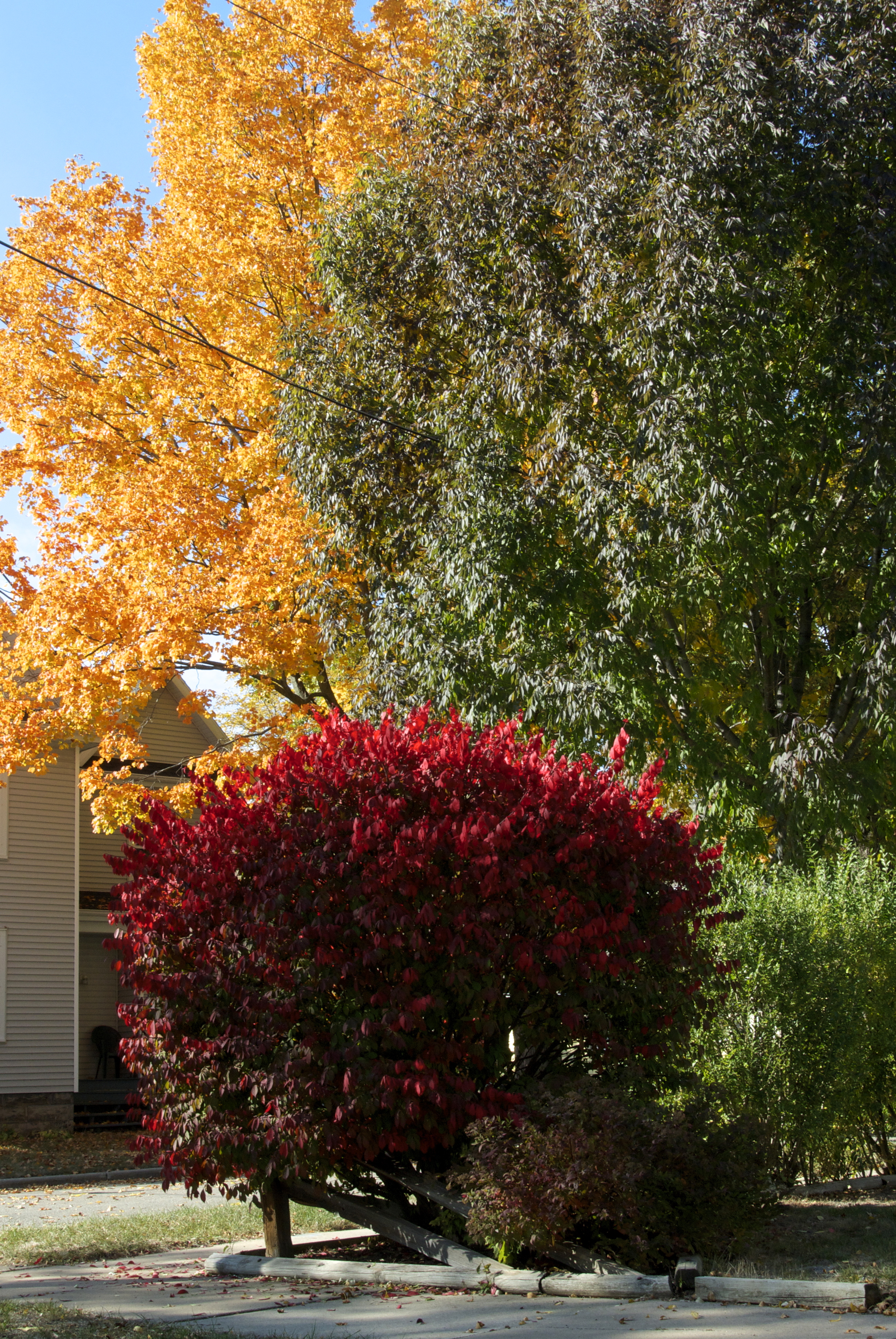
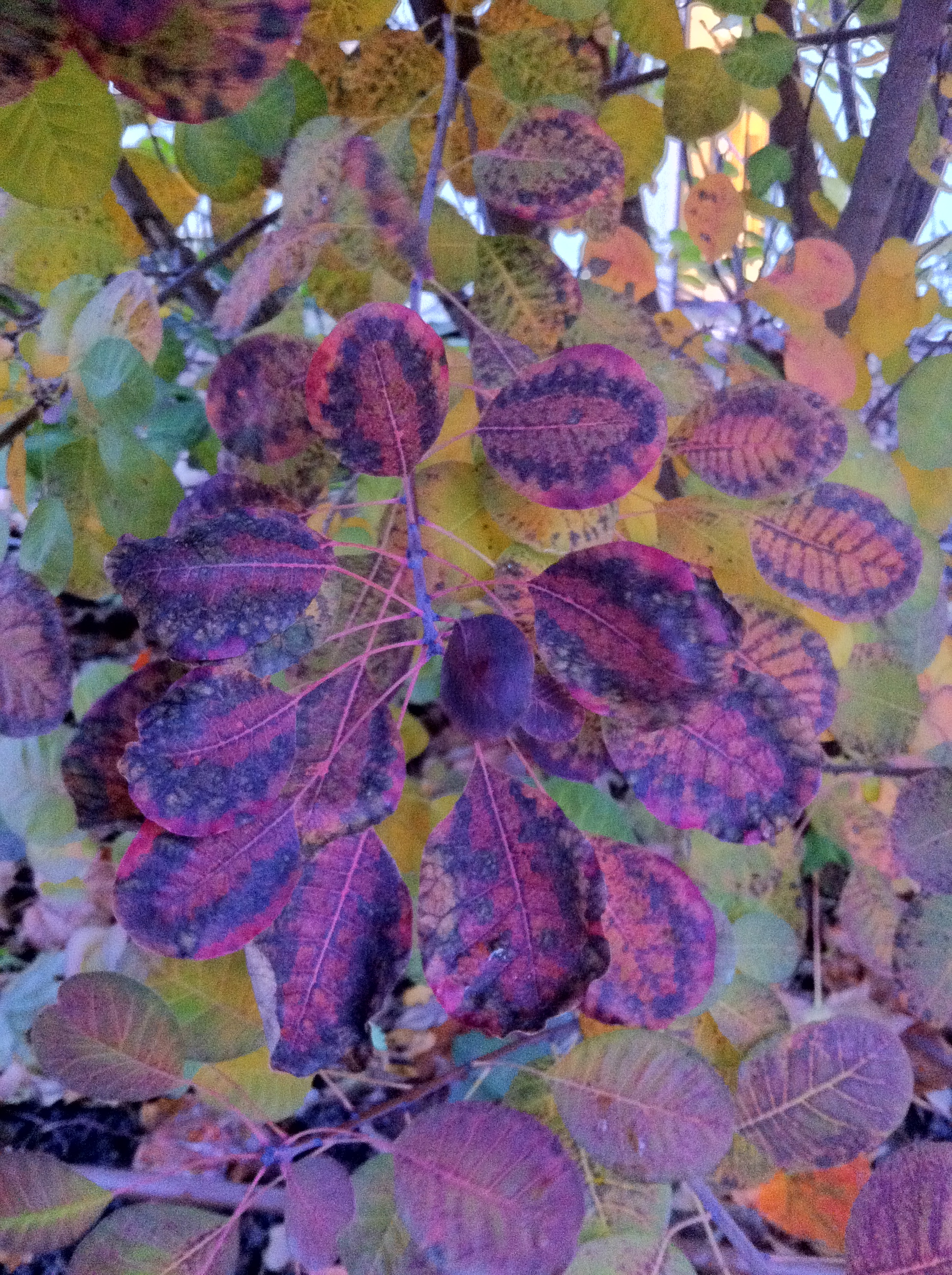
Early October the trees ignite a firework display of incandescent reds, yellows, greens, and browns. The lucent leaves flare up, blazing in blue sky for days on end, burning memories on our callous hearts, consuming all our indifference.


The month ends in ashes, colors fading to somber brown, but not before the trees remind us that we are alive, that the world is full of pageantry, and that a beauty fierce enough to split the earth, a beauty anchored by desire in time and place, is here, now, waiting for us to open our eyes and look.


In the park on an angry day

Standard


The house was full of too many words,

so I took the train to town and walked

in the park through the silent, soft

afternoon light among red maples, and

yellow ginkgos. The lake was infested

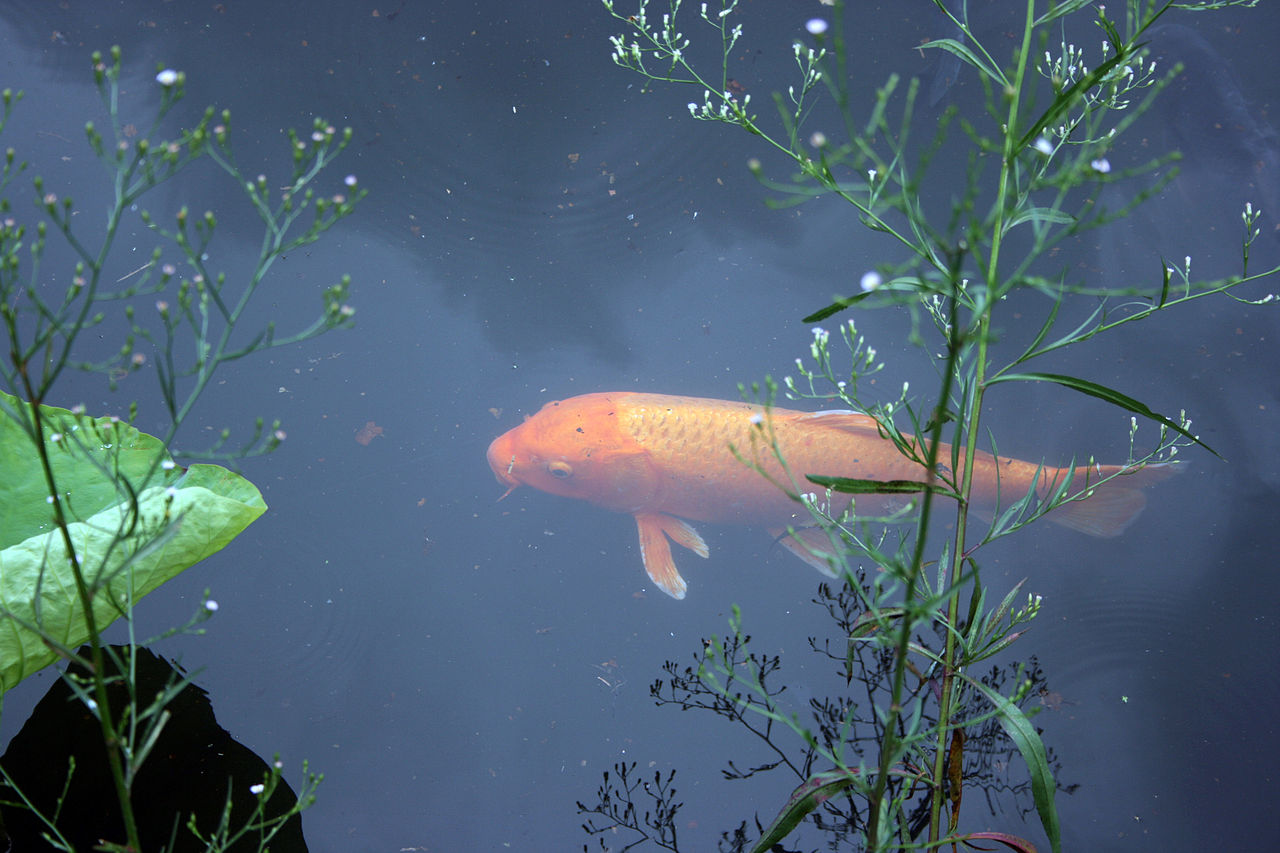
with greedy ducks. A long orange carp

followed me, or perhaps I followed it,

along the bridge. Ducks paddled over

its head begging for bread. Twice it

surfaced and looked as if it would speak

to me, but apparently thought better of it,

and went back underwater. At the bridge’s

end, a father and his little girl fed the mob

of ducks. The carp swam under the bridge.

We parted without speaking.

Books I almost wrote

Standard

The Midges of Bradison County


This is the riveting story of a well-endowed female entomologist, Roberta, who travels to Bradison County in the wilds of Wisconsin to take pictures of midges for a journal article she is writing. In a completely uncontrived way, she runs into Francis, a Wisconsin bachelor farmer, but he suffers only minor injuries. When she discovers that Francis not only has a few cows but also raises sorghum, she falls in love with him because she is writing her article on Cecidomylidae, the gall midges that infect sorghum. Over a period of four days, in between taking pictures of midges, Roberta does her best to seduce Francis. To fill out the middle of the book, Roberta spends several chapters wearing not-appropriate-for-work clothes trying to pique Francis’ interest, but her revealing cleavage only reminds him that he needs to milk the cows. Just before the book is about to end, Roberta throws herself at Francis and misses. When she stands up, she promises to explain how to eliminate his midges, and Francis takes Roberta to a Friday night fish fry. Roberta leaves town sadder but wiser; Francis doesn’t.


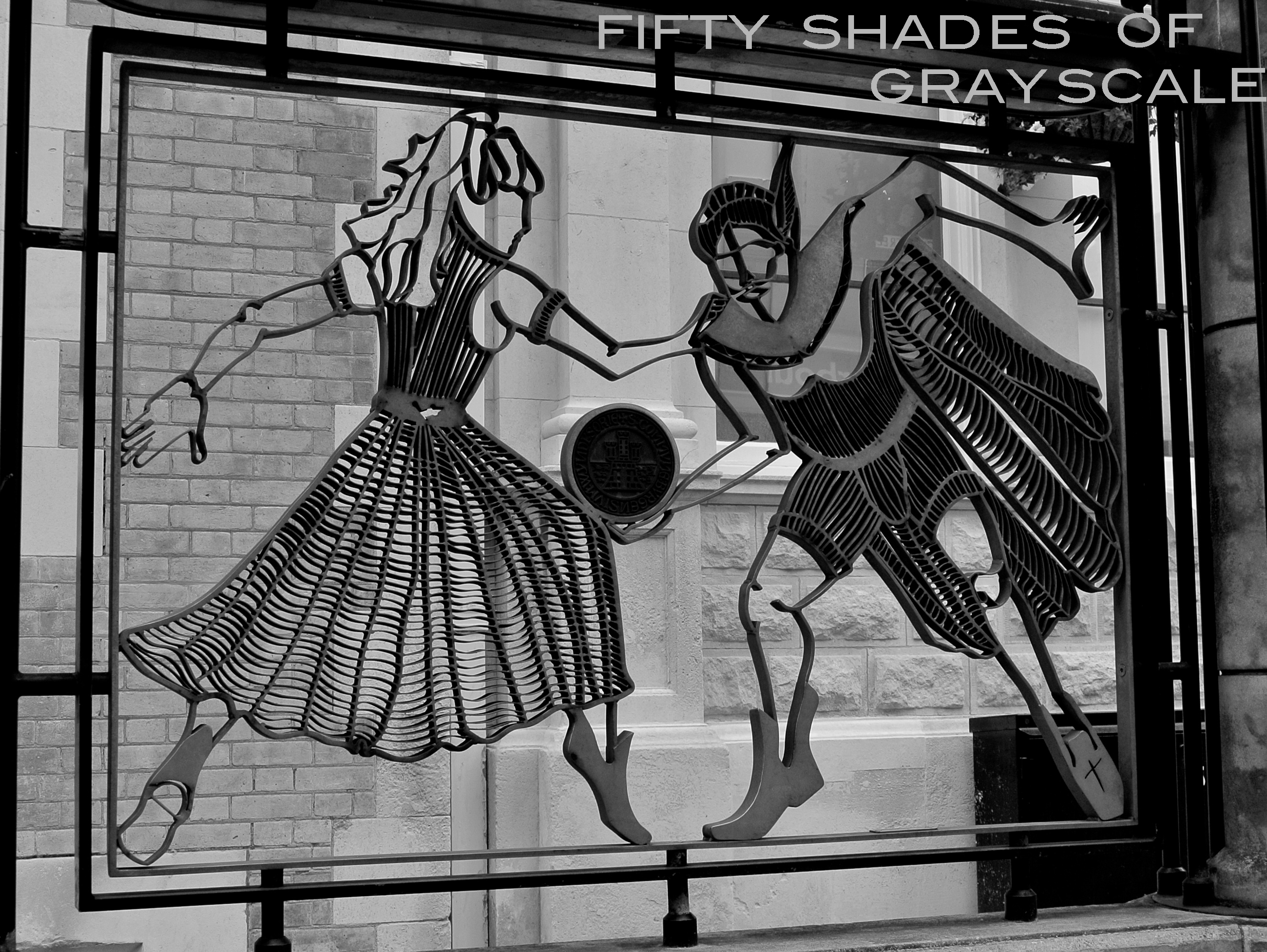
Fifty Shades of Grayscale


Oddly, this is another riveting story, but this time it is about an insanely rich female photographer, Christina, who eschews color photography because she likes the word “eschews” and thinks it’s way cooler than “avoids” or “shuns.” In a somewhat contrived way, a young man from Ace Hardware shows up at her mansion to interview her for his blog. He has a photo blog, and it just so happens that he is into black and white photography too!  It takes Christiana a few chapters before she asks Andy, the blogger/clerk, to be her assistant in her dark room, with the emphasis on “dark.” As their relationship develops, he discovers she has a bandage fetish. Christina introduces Andy to the various kinds of bandages, showing him how to apply the four main kinds: strip, roller, tubular, and triangular. First she gets him to wear an Ace bandage, which he finds somewhat binding, but then makes a link to his former job at the hardware store: a “hard-wear” Ace bandage. Somehow this makes it okay. He moves onto wearing a bunch of strip bandages and experimenting with tubular bandages. A lot of the chapters are about how things get weirder. One day in the dark room,  Andy realizes they just don’t have the right chemistry; he put the wrong chemical in the pan. After he cleans up, Andy leaves the dark room sadder but wiser; Christina doesn’t.


Midge photo courtesy of Wikipedia.

The watermelon

Standard


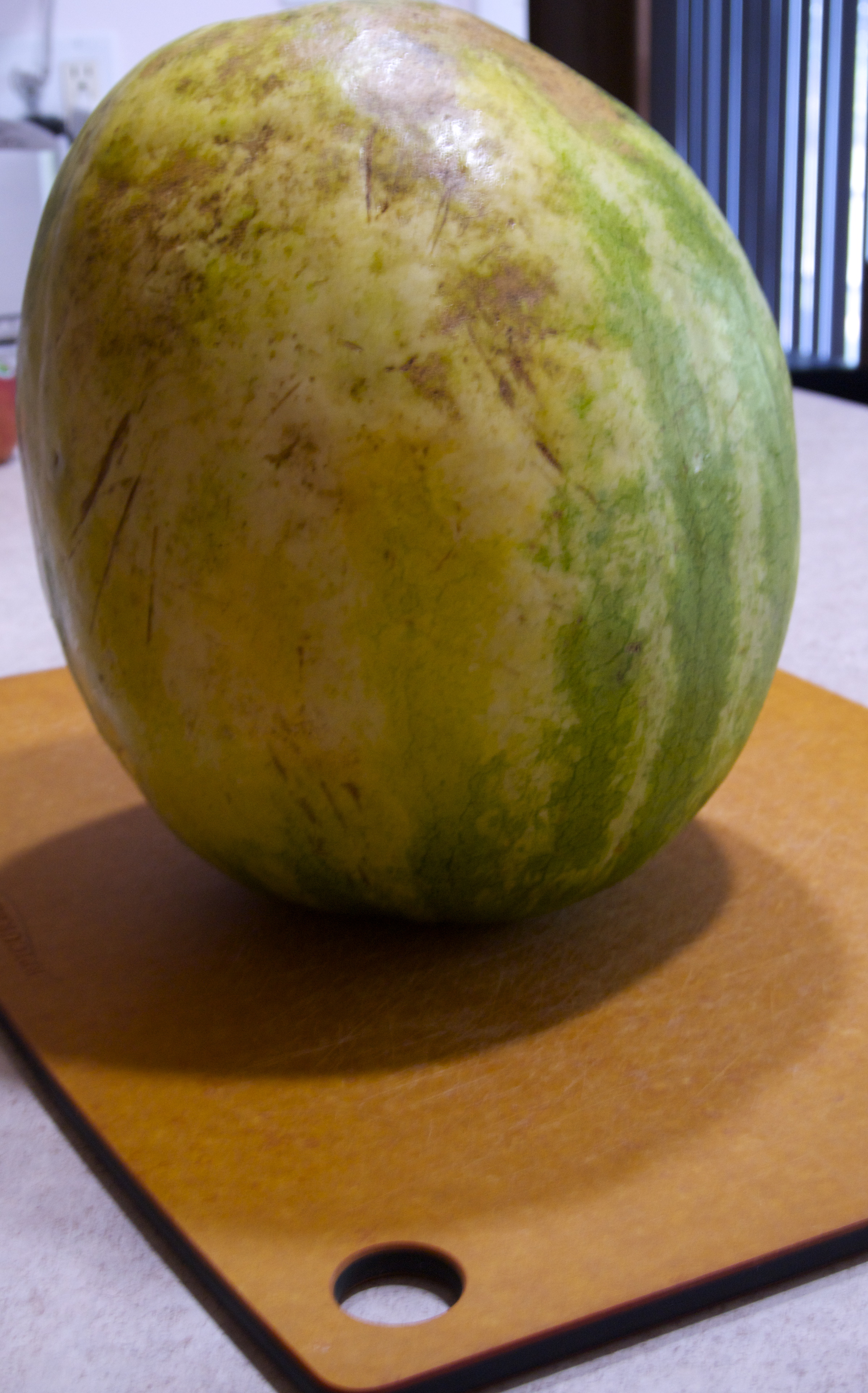
I carry the watermelon like a newborn and place it gently in the sink to rinse away the dirt. The bands of green barbed wire are smooth as ice.


I see the face the watermelon showed the world, that cheerful summer green blending in with leaves and grass. Beneath its bright belly, it hides the scars of waiting. I turn it over, touch the mottled, yellow skin that carried the weight of sunlight for me. This is the face I love. I trace the days of waiting for the bees, waiting for the sun, waiting for the rain. In stillness, the watermelon yielded to the world and all its wars, growing great with a blood-red secret. The more its heart grew large with wonder, the more the rocks and stones pressed sharply, marking it forever.


Now it waits for me to reveal its beauty with my sharp knife.


Inside the watermelon’s succulent heart I find seeds, teardrops black as night. The sun never knew its sorrow. Even watermelons want to leave behind some sweetness, some memory of the summer when the red-winged blackbird sat on the fence watching the sun do its work.


Why I don’t call myself a writer: part one

Standard

Four hours set aside for writing


Hour one:

I open my computer. Then I remember I need to throw a load of clothes into the washing machine. I go down to the basement and notice the new containers we bought to organize the boxes of pictures, the winter clothes, and other must-save-because-you-never-know-when-you-might-need-it items sitting on the shelves.


Hour two:

The basement is organized. I open my computer. I hear the dryer buzzer. If I get the clothes out now, I won’t have to iron anything or, more likely, wear wrinkled clothes. When I’m putting away my blouses, I notice how messy the closet is. That is one of the things on my to-do list. After I finish, I do the hall closet as well. When I carry out the bag of clothes to give to the Goodwill, I notice my computer.


Hour three:

I open a blank Word document. It looks sad, bereft of words. My mind, ever sympathetic, also goes blank. I enter the is-ness of the blankness. I am one with the nothing that is, or is it? Maybe nothing is not. This makes me thirsty and a little bit hungry. I make a cup of tea and cut up a mango.

I notice three or four documents on the desktop that I have not put into files. I drag them to the appropriate folders. One of the files is for the genealogy folder. Last night I had an idea about how to search for one of my great-great grandparents. I’ll do just that one thing before I start. When I find something, I get another idea.

While I’ve been researching the dead, the living have been sending me emails. I will check quickly, just in case someone in Nigeria wants to share $23 million dollars with me because, of all the people on the wide world’s web, he or she selected me.

I finish the mango and open the folder marked “Blog Ideas.” I read through all of the files. Frankly, I’m appalled. Who comes up with these ideas? Then I remember I do. I close that folder and open the one called “Blog Ready.” It’s empty. I close the computer.

Hour four:

I search for the green notebook, the one in which I write other appalling ideas. Now I must find one of my Pilot Hi-Tec-C 0.3mm pens. I convince myself that the words I need are hidden in one of those slender tubes.  I find one of the pens in the office cabinet on the upper left-hand shelf. The contents of the cabinet need sorting. When I sit down and begin writing, I notice I have thirty minutes left to write.

The moral of the story:

Some are called to write; I am called to clean and sort. My legacy will be clean closets. At my funeral, I expect one of my children to say, “Mother was a fairly good woman, almost average in the areas of mothering, being a wife, and writing; but, heaven’s above, she could clean out closets like nobody’s business. I’ll always remember her for that and for the way she organized her spices. And I’m so grateful she left all these papers for me to line my pantry with.”