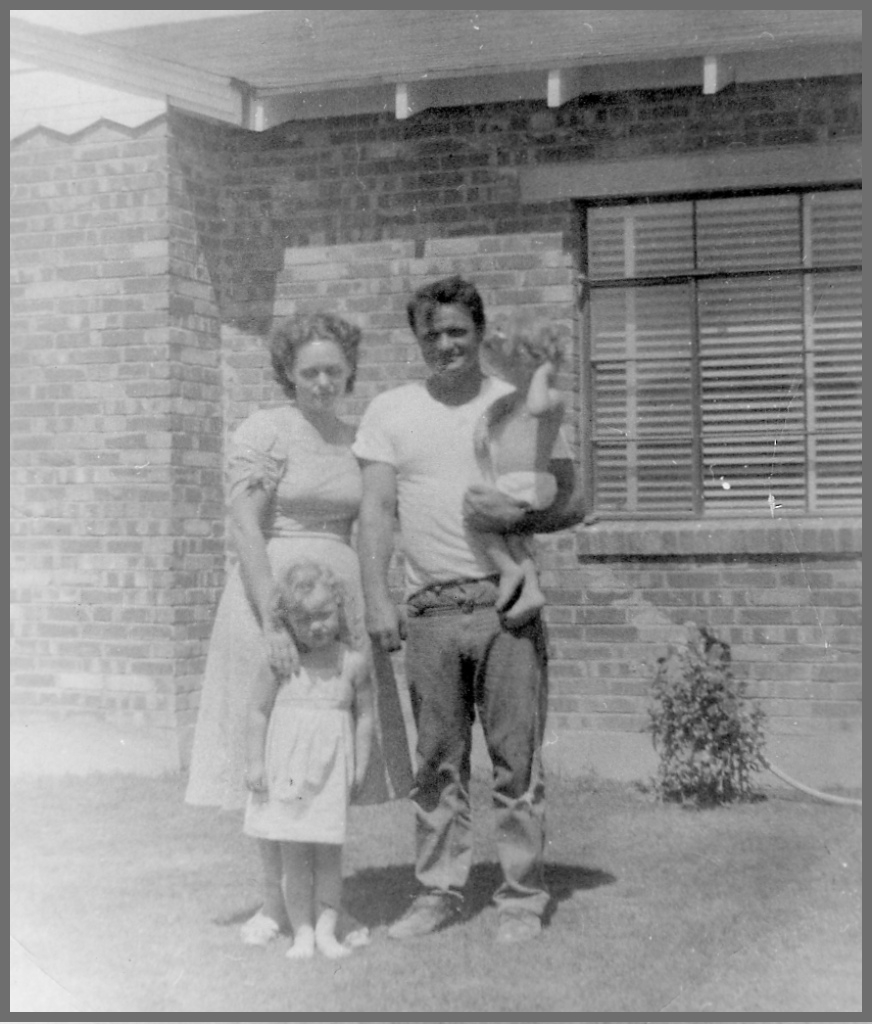
I dream of flying

Standard

For as long as I have remembered, I have dreamt of flying. I stand under a blue sky with my arms lifted and then gently push off from the earth and fly, almost float, above my world.  Hope follows me out of these dreams, and I feel as if I share a secret with the sky.


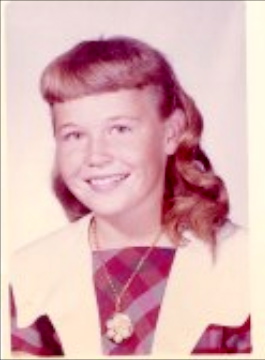
When I was five or six, my father went on a trip and came home with a bracelet and necklace for me. I still have the set. Patterned after the silver and turquoise jewelry common among Native American tribes of the West, it is imitation jewelry, made for children. The necklace holds a rounded horseshoe-shaped piece in the middle, and my father told me that if I held that piece and made a wish, any wish, it would come true.


When you are a child, your nighttime dreams seem as real as your daytime life. I never thought that I was just dreaming about flying; I believed I was flying at night. In the morning, I landed back in this other world, held firmly in the arms of the jealous earth.

The day after I received the jewelry set from my father, I stood on the red brick planter in front of our porch, wearing the bracelet and necklace. One hand grasped the turquoise piece in the middle of the necklace, and the other held my nighttime dream, wrapped up in a daytime wish. I named my wish and saw myself soaring near the elm trees in the yard. Then I jumped.


The earth would not let go of me, and I landed on my feet, one hand still grasping the necklace, the other one empty. I watched my hope take wing and leave me, the sky indifferent to my longing. Children have their own sorrows and know the loss of dreams, sometimes before they have the words to tell you.


For many years, I kept a journal of my nighttime dreams, but for the last five years, my mind has chosen to forget. The other night I stood in a field and the sky called for me, like an old friend inviting me back. Featherless, I flew into that place of my childhood joy, the place of belonging. When I awoke, I could almost hear birds singing in the empty winter trees, a song familiar and forgotten, with a melody of hope.

I practice dying every night

Standard

My strength comes in the morning. The early hours wake me at sunrise, smelling of promise and first light. I listen to their bright voices and learn what it means to be born and how to unspool the day from the spinning earth. They carry bird songs in their pockets. Morning is the time for listening. I reach into my heart for crumbs of dreams I’ve carried, toss them at my feet, and wait for the words to land, to eat. Sometimes I hold a word with feathers in my hand and let the tears roll down. It is morning. My strength comes in the morning.


The day is for duty. Small hands point and I must follow. Time schools me, teaches me to climb, move, sit, walk, listen, speak, hurry, wait, and serve. I eat sunlight and grow wings. I cannot fly, but they lighten my load. Duty has a face I love, she never tires, and helps me when I climb. The hours are full of people; we follow time together. Sometimes I rest and wash my feet in their laughter. I give my strength to the day. The day is for duty.


The night is for dying. The words leave me and I watch them rise and go, swallowed by the sky. Sorrow, my sweet sister, whispers in my ear that the time of rest is near. Memories and desires take their leave, sail across the pool of thought till only ripples of their passage remain. I listen to the silence, wrap myself in quiet. The time of letting go has come. My heart steps softly into the dark. I close my eyes, my hands open, releasing every face, dream, and hope I gripped so long, yielding to that other world until I am gone. The night is for dying.


I practice dying every night.


Carried

Standard

Carried by my father.


I’ve been carried all my life, though at first I was too small to see. My father carried half of me in a small pouch, until he met my mother. I would have been forgotten, but mother came alongside of him with the other half, then placed me in the pocket she put all her children in.


So spare, so silent, she hardly knew I was there, listening, wondering, and waiting. All day she walked and rocked me. I slept as she moved through her day. When she lay down to rest, I woke. Day and night were both dark to me.


Before I knew the words, I heard voices muffle and murmur love, felt the soft bounce of laughter, and the sharp shake of tears. Hands spoke their joy and expectation, now patting, now prodding, now pushing against my feet as I pushed back. Too young for school and all alone, I tried to find the formula for X and Y that would please them. Outside they waited for a boy, inside I waited as a girl.


I tried my best to stay by staying small, but the pocket could not hold me. I knew I had to go. Thinking I should travel light, I even grew a smaller brain. How was I to know I would need a larger one when I got to that other place?


Leaving was the hardest; the passage, dark and narrow. Mother never had a smaller child or one so fearful to appear before the others. We struggled, both of us, until I was carried home.


Almost forgotten once, half here, half there, now here. Carried, always carried, by stories, time, and secrets.


I’ve been carried all my life. How about you?

One order of ordinary, hold the extra

Standard

I like a perfectly shaped tree all dressed up for Christmas, wrapped in lights and spangles, gold star atop its head, pretending to be indifferent to all of the gifts strewn at its feet. A tree like that gets my attention; it probably gets your attention, too. When you’re the only tree in the room, you shine in an extraordinary way.


I like Christmas trees; I even admire them. But the trees I love don’t stand around in people’s living rooms doing their best to call attention to themselves. The trees I love live in groves and glades and forests. You can hardly tell one from another. They are ordinary trees, living and dying where they were planted but so full of beauty that if you took the time to learn the history of what they have seen and known and endured, your heart would break with either joy or sorrow, or more likely, both.


Ordinary trees sparkle sunlight across our paths; spend their lives scattering their strength to raise up new generations of trees; nurture winged delight; throw out shadows like carpets, inviting us to stop and rest awhile; whisper truth to those with ears to hear; take our breath away and then give it back. They do this every day, whether anyone notices or not.


Popular American culture values the extraordinary, at least that’s the message I hear. Ordinary is not good enough. You must be smarter, more beautiful, or more athletic than everyone else. You must write better, or be funnier, or take better pictures than other people. If you don’t, you won’t stand out, you won’t be somebody, people won’t know your name or be able to pick you out from a crowd. You will have to wander through life without the only prefix that matters, “extra.” Maybe because extra is rare, everybody wants it. People feel compelled to express their superiority, to trumpet their accomplishments, and to tell people over and over how extraordinary they are, thinking that by saying it often enough, the prefix will magically attach to their ordinary selves.


I appreciate and admire extraordinary people. I listen to their music, enjoy their art, read their books and poems, and enjoy the benefits of their research and inventions. I’ve even known a few I would call extraordinary, but maybe because I am an ordinary person, I like ordinary people best. If I were a tree, no one would choose me to be the centerpiece in a room of celebration. I look like a thousand other trees and even if you walked by me everyday, I doubt you would remember me or be able to pick me out. I am the small, asymmetric tree with the missing branches, standing over there in the northeast corner of the grove.


Twice in the last month, I have touched on this issue with two people who blog. A while back, I  nominated ShimonZ of thehumanpicture for an award. He thanked me but asked to be excused from posting the award on his blog. With his permission, I am including some of what he wrote in response:


Thank you very much for nominating me…I have been nominated for a few awards, and I have tried as best I could to extricate myself without offending those who wished to be nice to me. I don’t want any prizes. I come from a different culture, in which people don’t walk around with medals on their chest, and it is usually an embarrassment to one of us, to get a prize or an award. For me, it is my reward that you read my blog from time to time, and respond here and there.


I like those words. Behind that simplicity, I believe there is a willingness to embrace being ordinary.


Then on the blog The Heartbreak of Invention, I read patricamj’s essay “Why Psychotherapy Doesn’t Work for You” and when I commented I said I thought she must be a good therapist because she seems like an ordinary person. As soon as I wrote that, I realized I needed to qualify it, so I added that I meant it as high praise. I did and I still do.


The world is full of ordinary things and ordinary people, and I am one of them. I read books and stories by famous writers who knock my socks off.  Some of them are extraordinary people. But I am also left sockless by some of the ordinary people who write blogs: people like ShimonZ and patriciamj. They scatter patterns of light that brighten my day; offer shade if I need some rest; delight me with words that soar and sing; blind me with beauty, then teach me to see; whisper truth; take my breath away, and then give it back with laughter. And they do it every day, whether anyone notices or not.


That’s what ordinary people do.

The old woman in the mirror

Standard

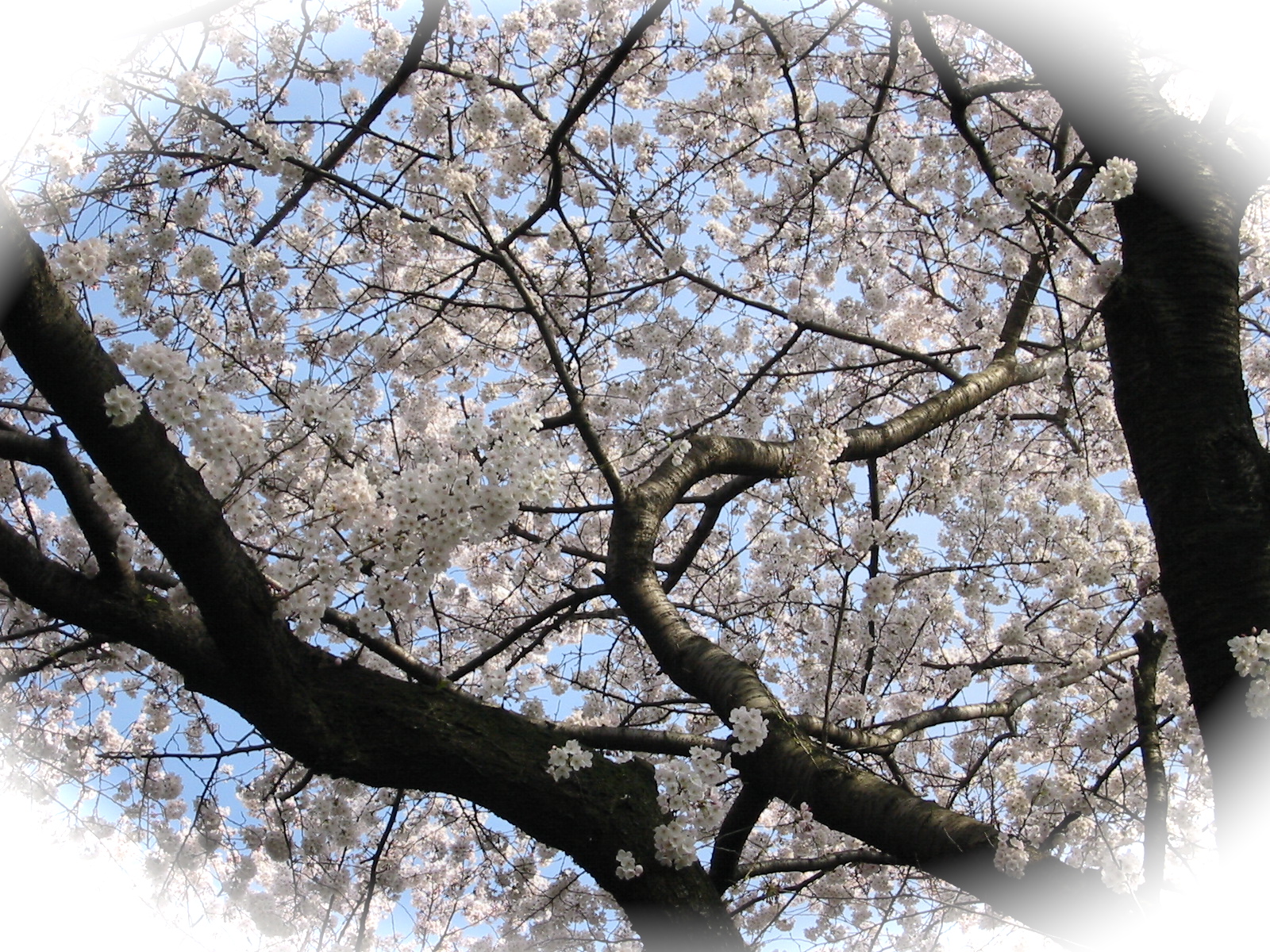
Before the cherry blossoms fall.


Sometimes I talk to the old woman in the mirror. She tells me her stories and asks me questions. I know each tale she tells, but I listen anyway.


So, she says, did I tell you about the time I almost belonged? We lived in a house; it’s where the children did much of their growing up. Friends lived nearby, and I had a job teaching. I liked the house because it was small and easy to clean. When friends came, it grew big with laughter. Nearby was my park. In the early mornings I followed the river, looking for the egrets. In spring the cherry trees drew near to the river, bending down to admire their blossoms in the water. Back then I believed I would die from beauty.


From a place I almost belonged.

Yes, I answer, I remember you told me that.


Oh, she says, in the park was an old man I called Good Morning Grandpa. In Japanese, he was Ohayo Ojiisan, which is the very same thing. I looked forward to seeing him on my walks, though I never told anyone. Every morning he rode his bike to the park, picked up trash left by careless walkers, and then sat down to smoke a cigarette and greet the people who passed by. He said “Good morning” to me both coming and going. I regret never sitting down and talking to him.


I watch as she talks, watch her smile fade and the tears well up.


I think I told you this, she says, but that day we left on our trip, we had only planned to be gone a few weeks. How could I have known it would be the last time I would live in that house? That I would never see Good Morning Grandpa again?


I nod, watching as she wipes her tears.


Zempukuji River

She shakes her head and says, how was I to know the world would tilt and I would slide off? I had only four days to return and gather a few things for that first winter. Hardly time to say goodbye.


I know, I say, I remember that first winter and how cold the world felt.


I use to cry for her, almost every day, that old woman in the mirror. But after four winters, I’ve grown stronger. I still mind the cold but at night when I close my eyes, I dream that her tears are cherry blossoms falling one by one into Zempukuji River.


The memory collector

Standard

My small self

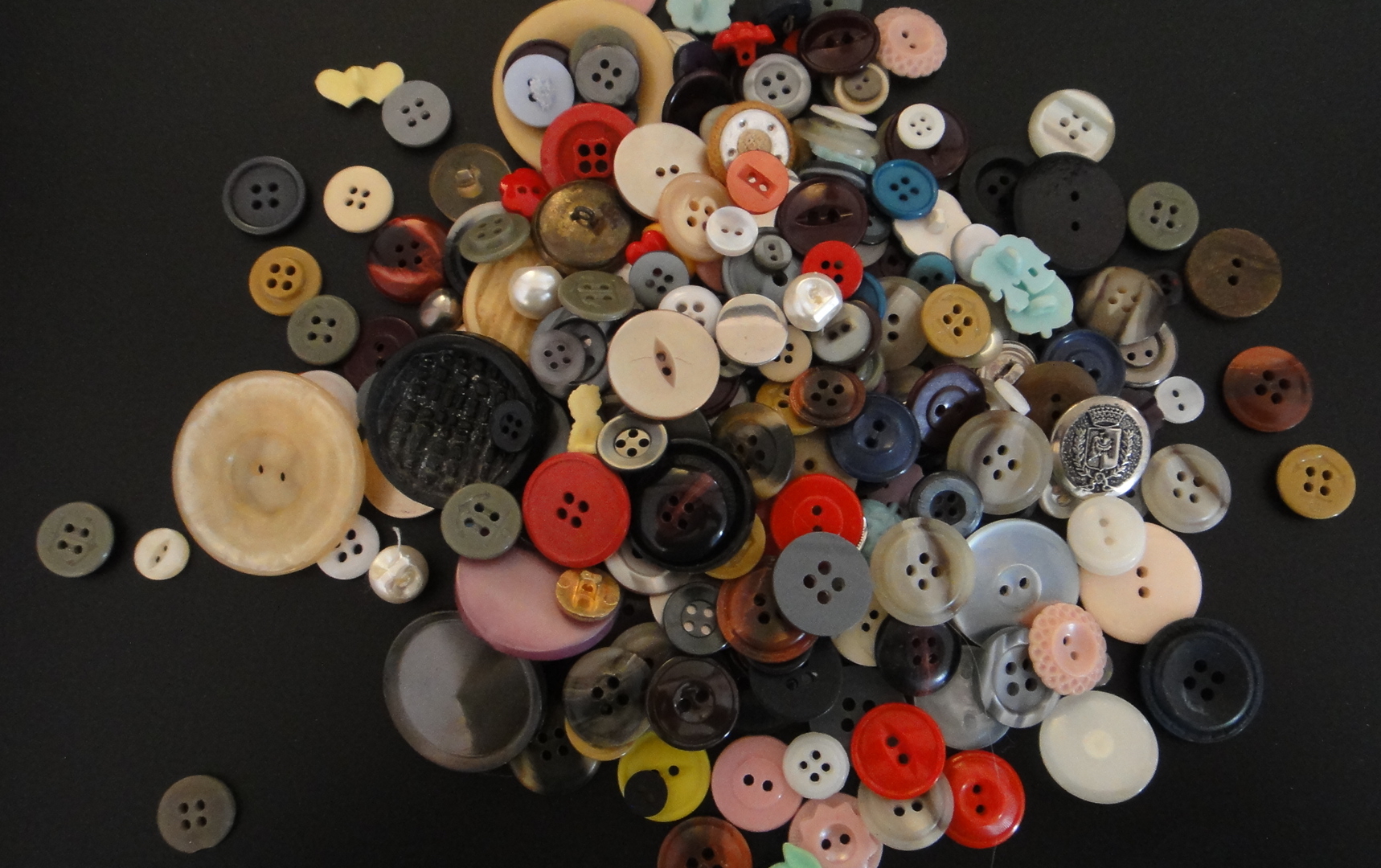
When I was small, I collected things I found: shiny objects, buttons, leaves, and feathers, especially feathers. I often dreamt I could fly and feathers seemed like a promise of that dream. Finding something of beauty felt like an accomplishment. My reward for paying attention. Somewhere on the road to adolescence, I lost every one of those treasures.


In my teens, I kept a drawer filled with notes, jewelry, stray buttons, foreign coins passed on from relatives, ticket stubs, a lock with a forgotten combination, and pictures of my friends and the boy I loved my freshman and sophomore year. One scrap of paper I saved until I was in my mid-twenties. The library in my high school sent out notes to students who had delinquent books. The notes were short and to the point; they had the student’s name on one line and the name of the book on another line, nothing else. I don’t remember if I was assigned to read Dostoevsky’s Crime and Punishment or if I chose it on my own, but I loved it and wanted to read more of his work. I kept that second book too long because one day in class the teacher handed me a note from the library. All that was written on it was my name and below that, The Idiot. I kept the note for years, my private joke with the universe.


I think objects might want to be found. Maybe a button works for months to untie the strings that bind it to a shirt, and when it leaps out into the unknown, it is looking for adventure. I want to see more of the world, it says; I’ve been manhandled enough, put in my place for too long. Imagine the pleasure it feels when a child or an adult picks it up, admires it, and carries it home as a treasure. At least, that’s how I would feel if I were a button.


My crown

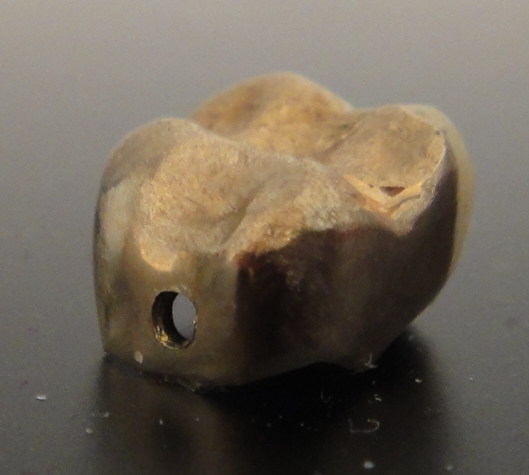
I still have a box of small findings and remembrances, including a gold crown that was fitted for one of my molars but never put on. I could tell a great story about that, but unfortunately, I don’t remember much about it. My mother wore it on her charm bracelet for years and it has come back to me. Last summer I bought a wooden art box for my grandchild and filled it with some of the things I cannot throw away.


Over the years I have tried collecting things of value, but I can’t sustain my interest. In Japan, I started a collection of the holders used to rest chopsticks on, called “hashioki,” but I grew tired trying to find a place to display them and gave most of them away. I use two of them for brush rests when I do Japanese calligraphy.


For a long time, I collected dreams, and for safekeeping, I put them in my heart. When I was alone, I would take them out, whisper promises I thought I could keep, believing that some day every one of them would grow wings and fly. I never thought I could lose them, but I did. And now I know why: my heart is a pocket full of holes.


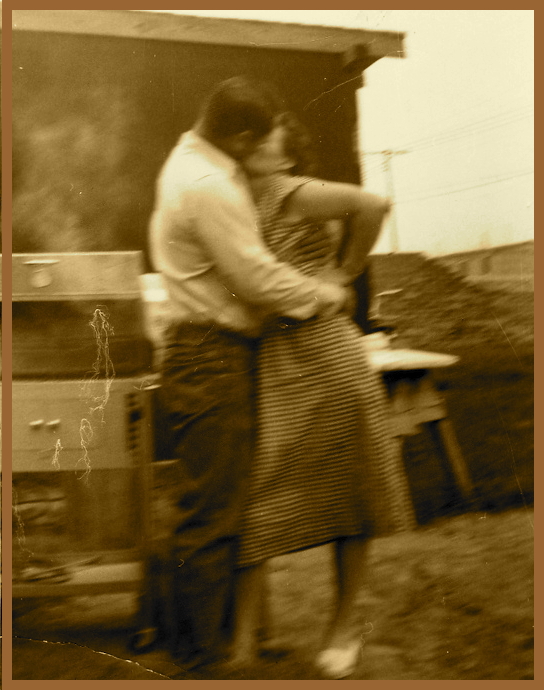
When mother knew love


Memories are the only thing I am interested in collecting now. These stories, like the flightless feathers I loved as child, or like the fallen petals that when crushed still give off the faint aroma of the rose, or like the empty shell left by a cicada who grew away from her old self but left a part behind for me to hold and remember, these stories are the only treasures I have.

The tall dark stranger

Standard

Elmer (mother’s father), Ketz (her first husband), Clyde (her first son)

Mother was a monogamist four times. At least, I think she was. Pregnant at 15, she had her first child at 16. Before she gave birth to Connie, her first little green-eyed girl, she married the child’s father. Ketz was older than her and had charmed her with his good looks. It’s unclear if he was really her husband. Another wife lived somewhere in his past, and he may or may not have been legally divorced from her. Two years later, mother’s second child, Clyde, was born; a green-eyed boy with curly hair, who looked like his daddy.

Whether the first marriage was monogamy or bigamy, it didn’t last long. Ketz never wanted to put his hard-earned money into the hands of landlords and utility companies; he preferred investing in gambling and other women. Mother had nothing to give the bill collectors, so she left Ketz and moved back in with her mother.

Connie, the oldest girl, and Clyde, the oldest son

One year after  Clyde was born, Germany invaded Poland and World War II officially started. That year, 1939, President Roosevelt proclaimed U.S. neutrality, but just in case, he also asked for a $1.3 million defense budget.

The build up of the armed forces, along with increased federal spending, helped pull the U.S. out of the Great Depression, but unemployment was still high in the area of Pennsylvania mother lived in. So, she left the two children with her mother and went to New York to find work. Finally free from feeding, diapering, and caring for two small children, she went wild, dancing and drinking every night, and waking up on one particular morning with a tattoo of her name on her shoulder.

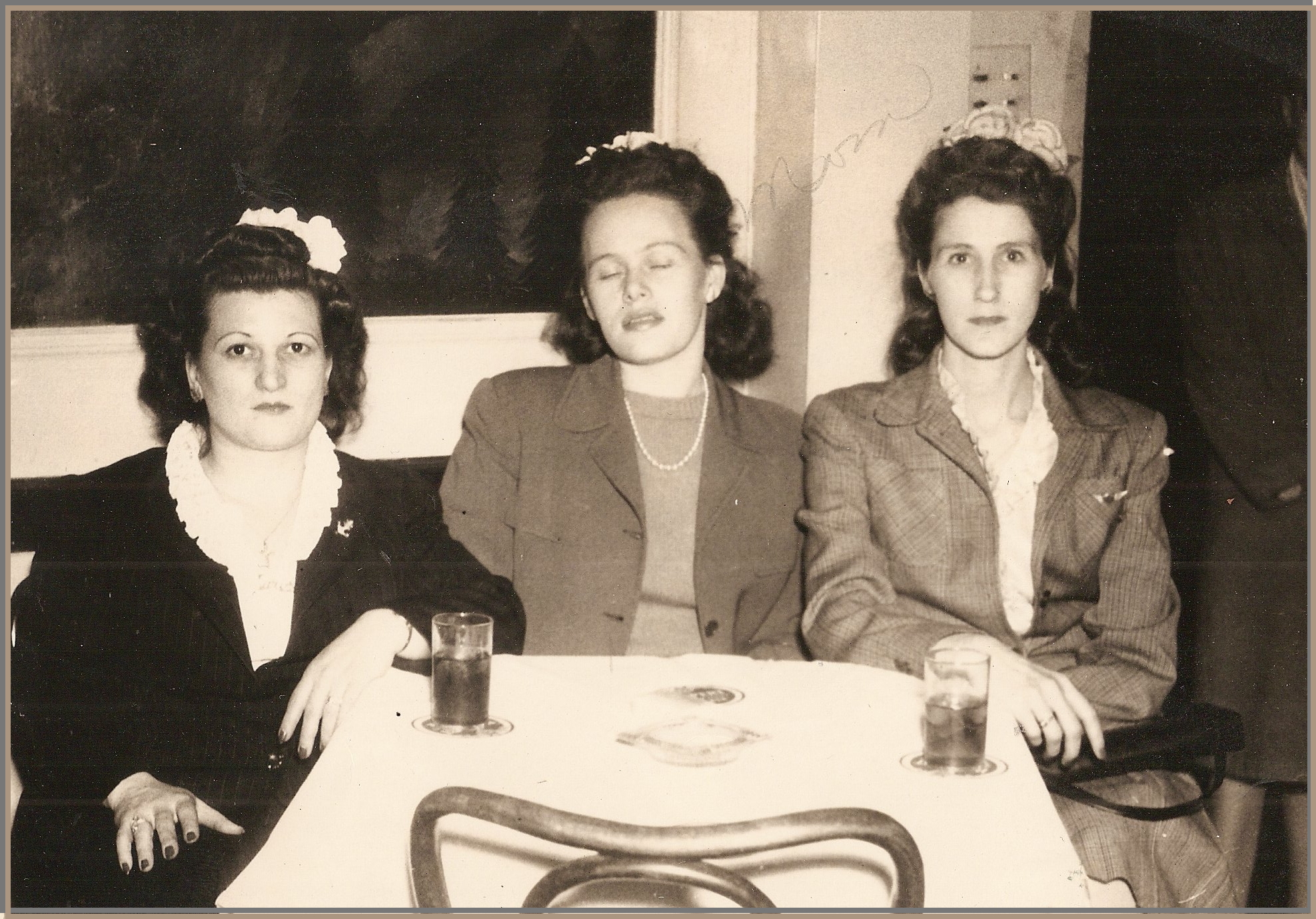
Mother (in the middle) at a nightclub in New York

One of the nights she went out drinking and dancing, she met Grady, a handsome officer in the Merchant Marines. They did more than just drink and dance together, and she got pregnant with her third child. Right about that time, Japan dropped its bombs on Pearl Harbor and the U.S. officially declared war. Grady shipped out, telling mother he didn’t know when he would be back. Late in her pregnancy when she could no longer work, her friends took her in. Her father, Elmer, died right after she gave birth to James, so she returned once more to her mother’s house, with another baby.

Jobs were hard to find in Barnesboro, so she left the three children with her mother and went to Chester to find a waitressing job. World War II brought manufacturing and ship building jobs to Chester, which sits on the Delaware River across from southwestern New Jersey. Once she found a job and got an apartment, her mother and the three children joined her. Not long after that, Grady showed up again and they decided to get married.

Mother’s darkest days were just ahead of her, but of course, she didn’t know that. You never do. The future, a tall dark stranger with good looks and an easy laugh, holds out his hand and you take it. In some stories he carries you off into the sunset and you live happily ever after. In other stories, he takes you home, beats the life out of you, and then leaves you out on the street with five children. And that’s exactly what mother’s future did.

Crossing the frontier of childhood

Standard

Our nearest neighbor, The Golden Gate Bridge

The party started at Shakey’s. All of the other girls had already passed over the border from twelve to thirteen; we were celebrating my crossing. The twelfth year had been all uphill; my childhood treasures abandoned one by one as I slogged upward. The changes in my body made the climb harder, but I believed that if I reached the marker “Thirteen,” I would arrive in a place closer to freedom, a place closer to where dreams lived.


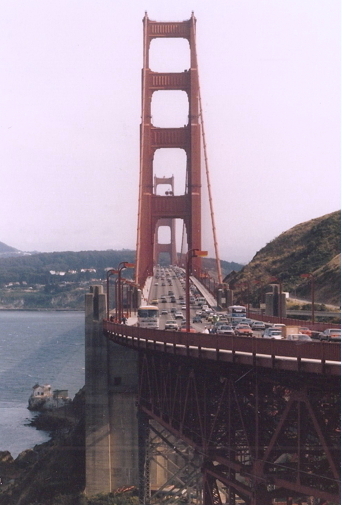
After the birthday pizza party, the girls came to my house for a slumber party. We lived in military housing on Fort Baker, a small Army base sitting across from San Francisco in Marin County. Our nearest neighbor, the Golden Gate Bridge, bore the scrawl of our names on its pillars. My stepfather, an Army Captain, defended us from the communists by working in the Nike missile program. We lived in one of the large duplexes up on the hill above the parade grounds.


Mother met Ralph within months of my daddy’s death. My father may have been the love of her life, but he was gone, and she needed a man. Her need, so much more than a want, compelled her to go in search of someone to marry her and take care of her. She searched in all the wrong places, but she found her man.

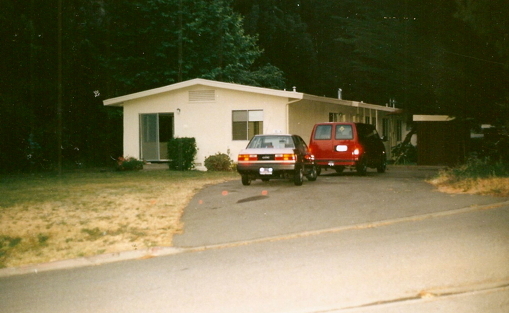
Our house on Fort Baker (photo taken over 20 years later)

Mother met Ralph at a bar; he was seven years younger and a first lieutenant in the Army. She was out dancing and drinking, doing her best to stop being a widow. She succeeded; less than six months after they met, they married. At that time we lived in El Paso, and Ralph was stationed at Fort Bliss.


After they got married, the dancing stopped, but not the drinking. Mother had married an alcoholic before, so you would think that she could recognize the signs. She didn’t, or maybe she didn’t care. She had someone to share her bed and her expenses; she wasn’t alone anymore.


The night of my thirteenth birthday party, Ralph went to Happy Hour. He always stayed longer than an hour, and it never made him happy. He came home late, while my friends and I were in my bedroom, laughing, whispering about boys, and eating snacks.


Ralph never liked my sister and me, and the older we got, the less he liked us. Particularly me. He talked ugly when he was drunk, so I was used to being called a bitch and a little whore, but I never thought he’d call my friends that. He did. Then he told them to get out of his house. Now.


I can’t remember much of the chaos that followed. I think my mom took the girls home. One or two lived in Sausalito; two of them lived in Marin City. I do remember that Ralph passed out in the bedroom he shared with my mother.


Sometime after midnight, my mom packed suitcases for all of us. Then we got in the car to drive to Texas to my oldest sister’s home. Mother took all the cash in the house, including a piggy bank made from an empty soap container that belonged to my three-year-old brother. Afraid that Ralph might hear the car engine, she put it in gear and let it roll down the driveway before starting it.


My sister welcomed the four of us into her small three-bedroom house, already full with the five of them.  Ralph sobered up and pled with mother over the phone until she agreed to go back. It will never happen again, he promised. Whatever he felt for mother or for us never looked like love to me, but maybe it was. Or maybe he needed a wife and a family to get promoted. He had his reasons, and she believed him or pretended to. I told her I wouldn’t go. My oldest sister invited me to stay; she understood why I couldn’t go back. She had lived the same story; in fact, all of mother’s children did or would. My daddy had been her stepfather, and he had never liked her; so she ran away at 17, got married, and had her first baby when I was two years old.


I spent a year away from home and loved living with my sister, her husband, and three children. I never noticed the cracks in the foundation of her home, but that year the walls still stood and they sheltered me. Within a couple of years, the walls crumbled; my sister fled, abandoning her children.


During that year, I had time to heal some of the wounds and forget some of the ugliness. In the middle of my freshman year at Irvin High School in El Paso, Ralph got orders for Alaska. My mom wanted me to come with them, and I agreed.


They came from California to Texas to get me, and in January of 1965, we drove up the ALCAN Highway to Fort Wainwright in Fairbanks, Alaska. It looked like a new beginning, a new chapter in our lives, but it wasn’t. That first chapter wasn’t over yet.


It’s a simple story, with more pain than some, but less than others. Standing on the peak of thirteen, my childhood looked to be a million miles away, the pathway back, long forgotten. On that first summit of my teenaged years, I thought I would be able to see the world, or least find a clearly marked path that would lead me to my dreams. I didn’t know what they were yet, but was sure I would recognize them once I saw them. No one told me it would be so hard. I had two choices: keep climbing or go through the dark valley. I chose the dark valley.


Doors

Standard

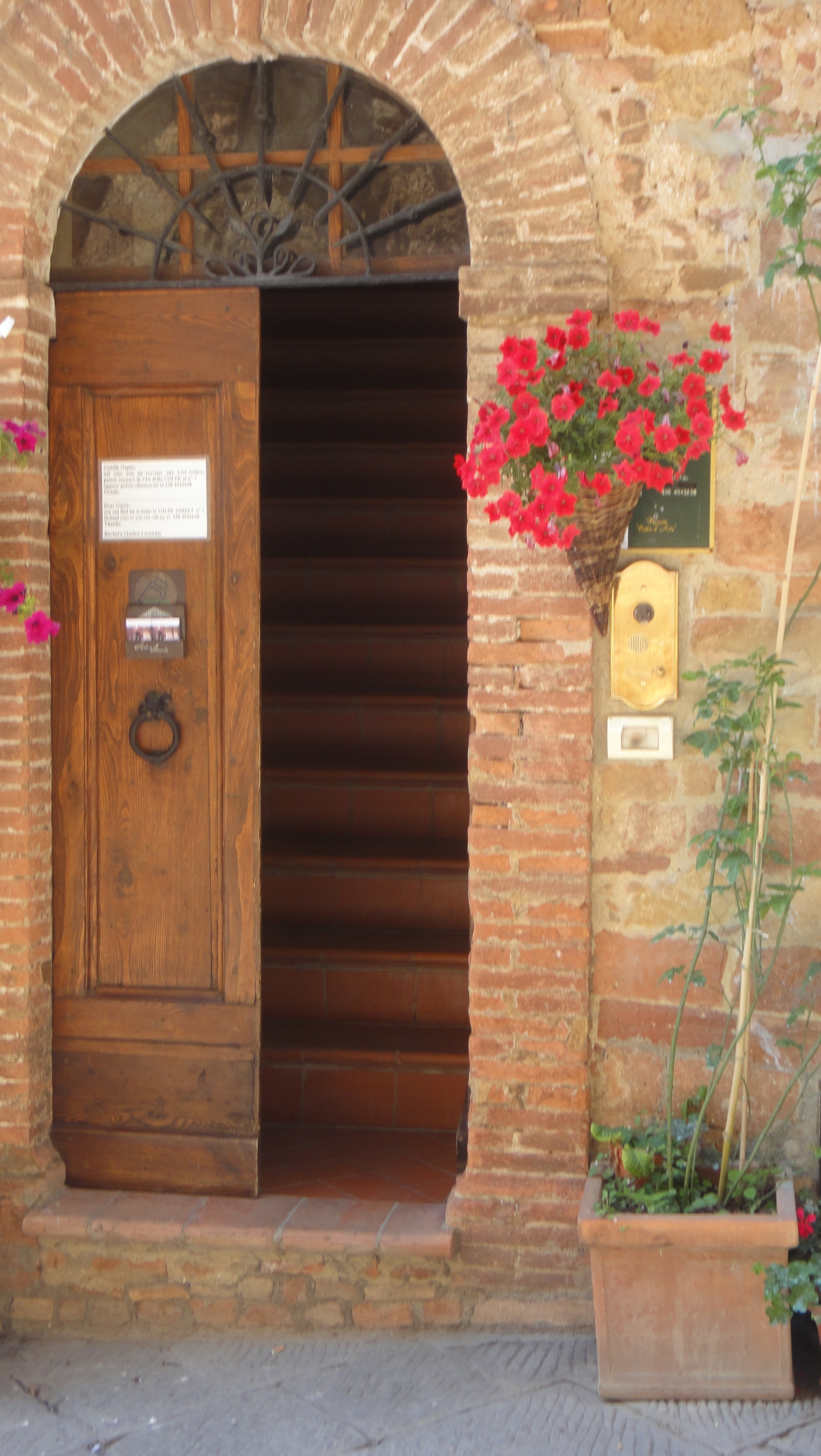
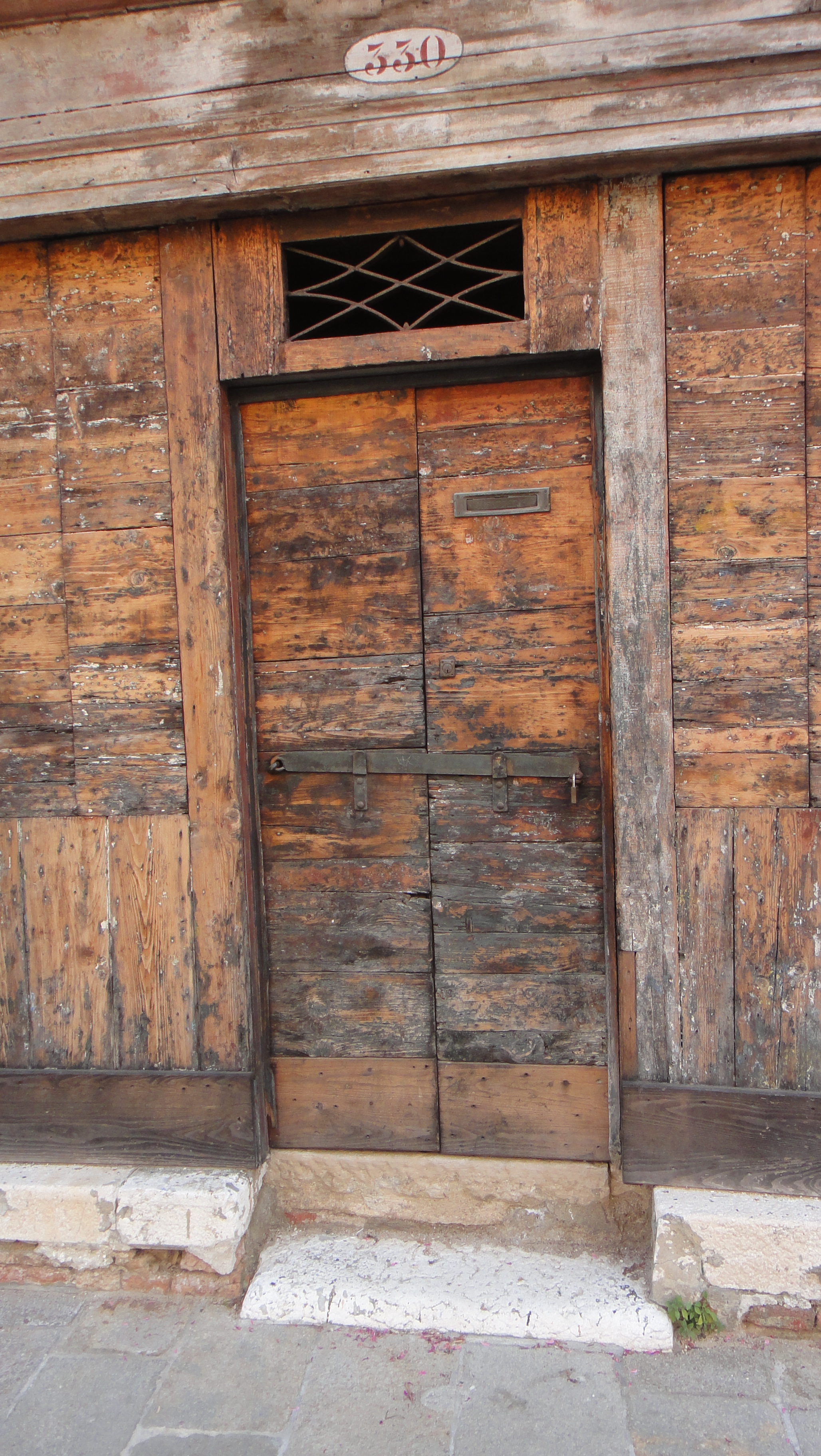
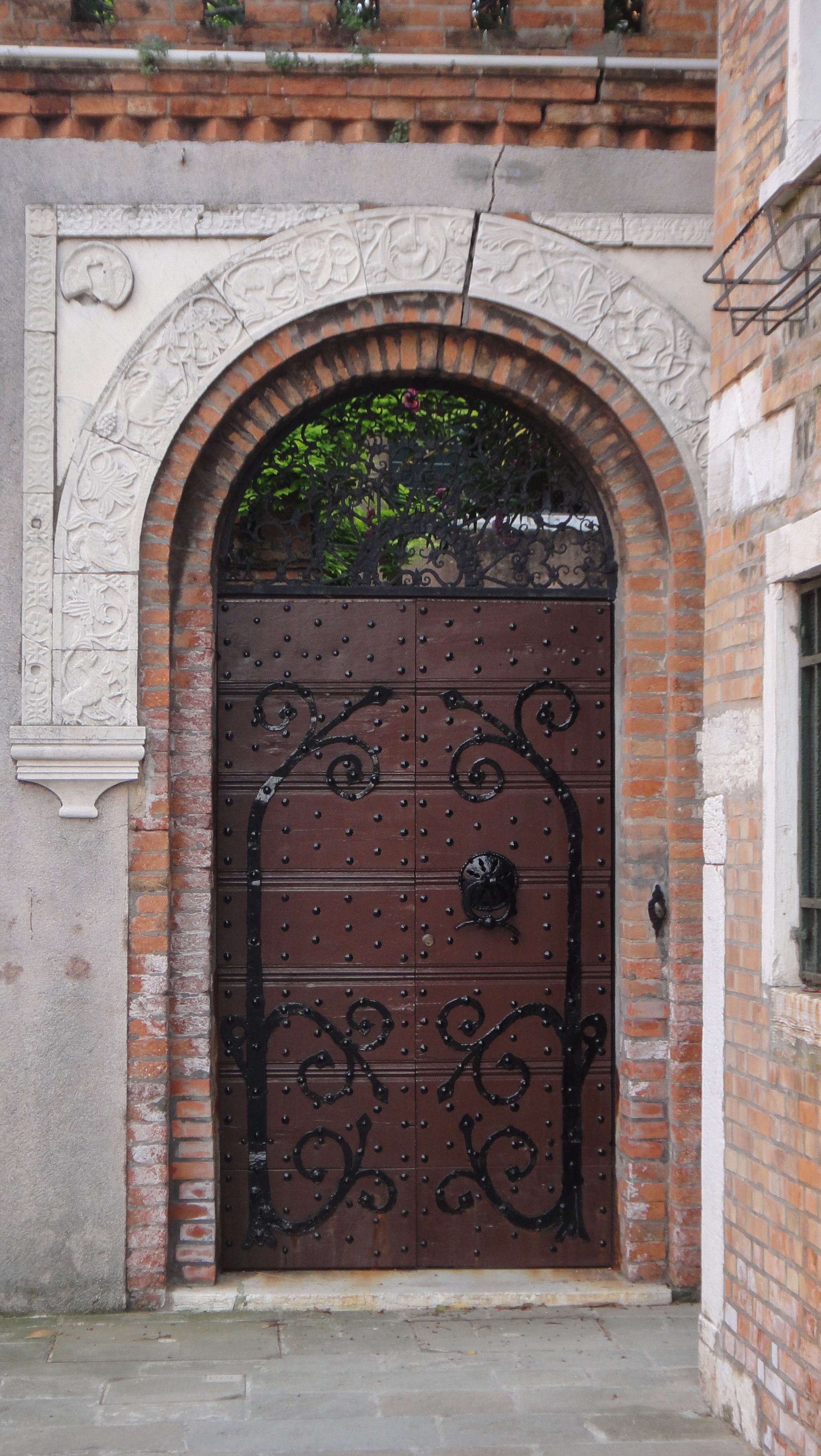
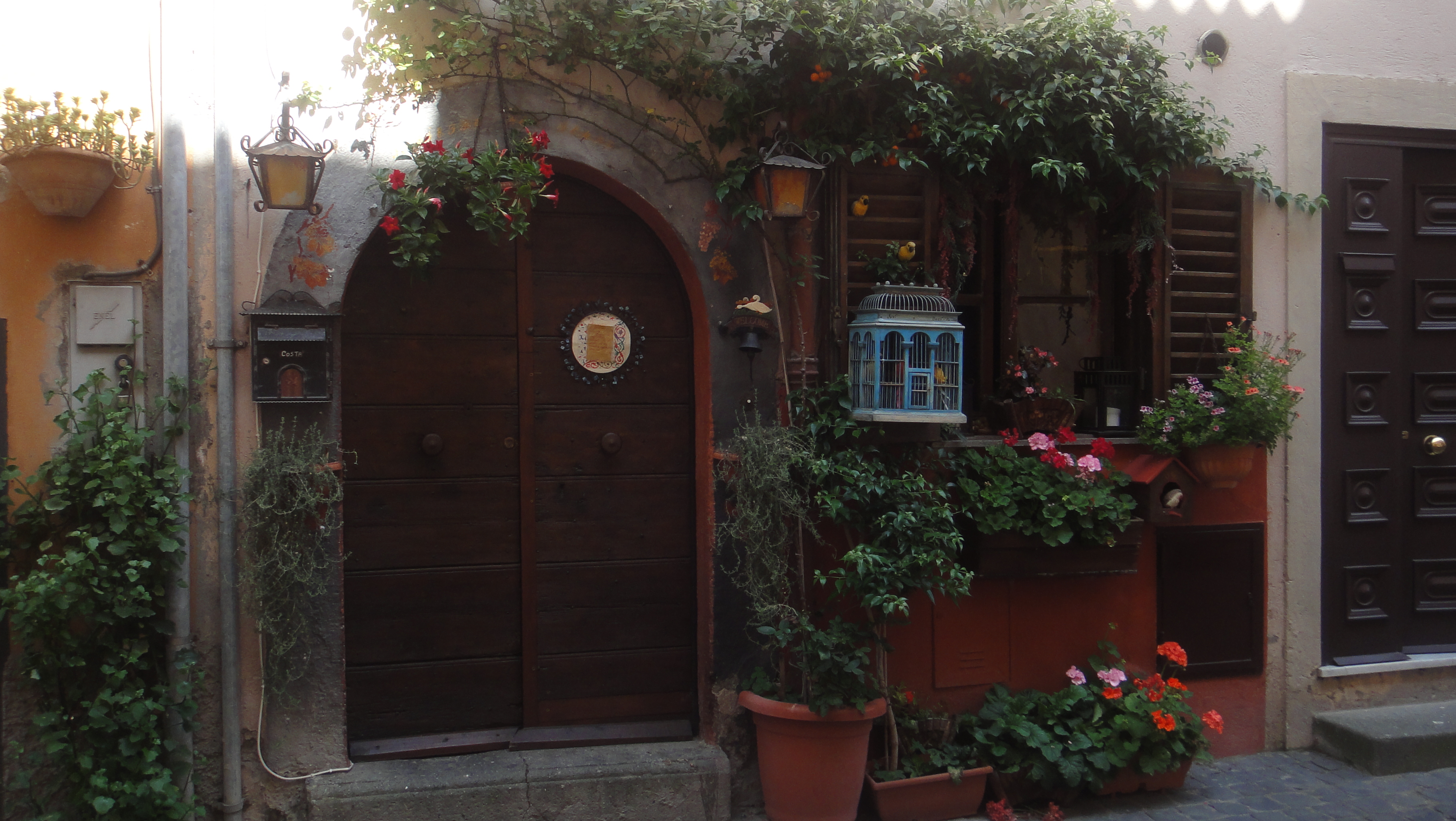
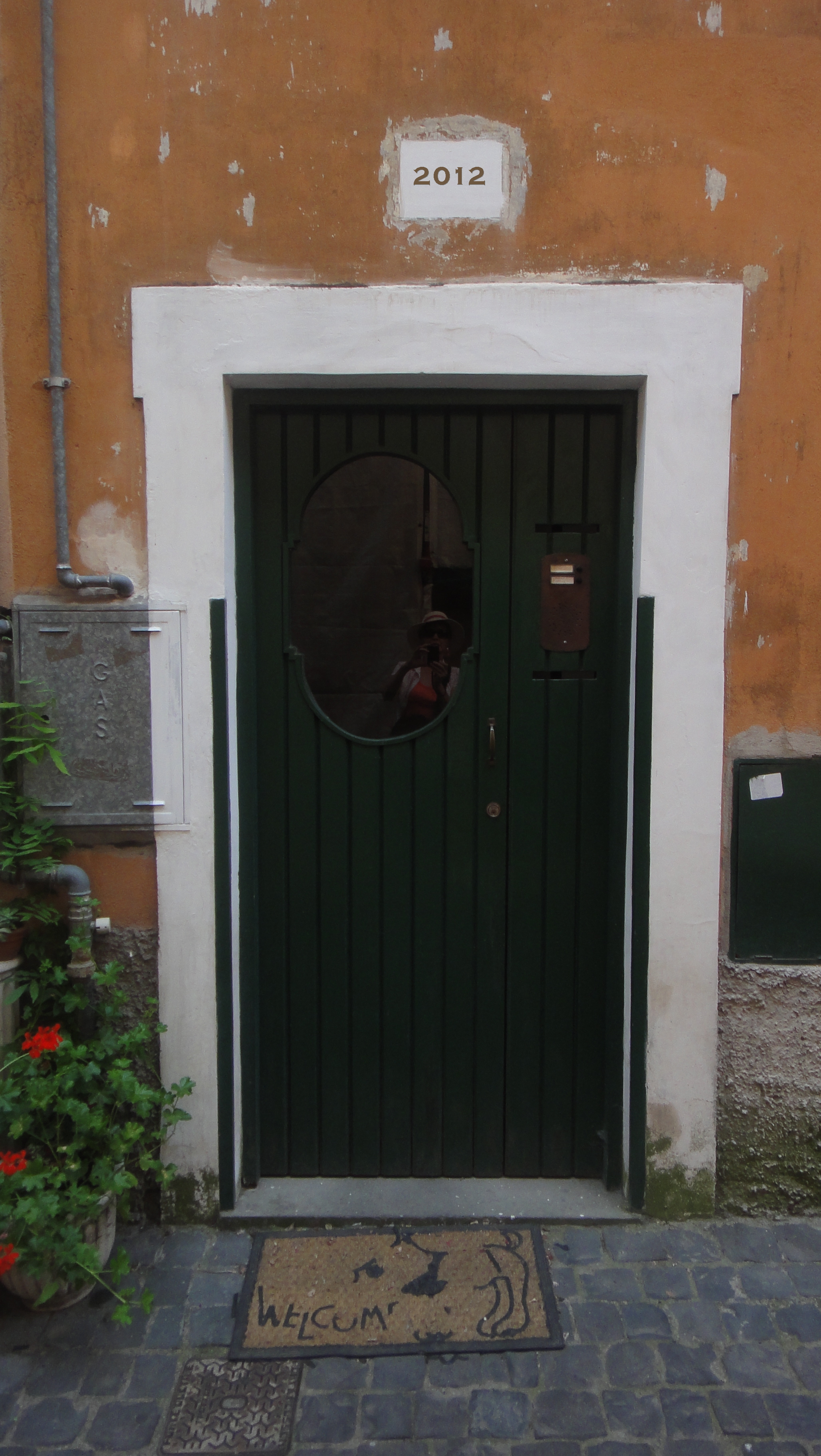
The first time I had the opportunity to go to Europe, I brought back lots of pictures. Everyone agreed that every other picture was great. No one liked the pictures of my finger, which is a bit of a camera hog (plus it never smiles). But what they objected to were all of the pictures of doors. “You went to Europe, and you took pictures of doors!”


I happen to like doors. So much hinges on them: they let us in from the cold and welcome us home, they hide our secrets, they keep us out and force us to find another way.  In honor of 2012, the new door into our future, here are a few of those photos and what they taught me.


Sometimes you have to knock. It can be intimidating.


Sometimes a small path leads to a big door.


Sometimes the door will already be open. Go in.


Sometimes you have to go further in, to search for the right door.


Sometimes the most beautiful door is barred. It often holds dead men’s bones. You will find a better door.


Sometimes the door that looks the least promising leads you home.


Sometimes the best door is the one that leads you out.


Sometimes the door is so narrow, only the soul can squeeze through.


Sometimes you have to choose. One door leads to another, so you will probably never go back to the other one. It’s okay.


Sometimes the smaller door will get you to the same place as the bigger one.


Sometimes inside and outside the door are equally pleasant. Enjoy your wait.


May you find a welcome mat at door 2012.

What are you looking for?

Standard

Imagine even shorter bangs!

I have gotten up early my whole life, except for my teenaged years when I ran marathons in my sleep and didn’t wake up until I finished. As an early morning child, after finishing my sugar-laden cereal, I could explore drawers and closets without anyone asking, “What are you looking for?” This is the kind of unanswerable question that grownups ask curious children. Imagine walking through the woods admiring the trees, and as you bend down to look at a mushroom, someone asks you, “What are looking for?” The answer is nothing, everything, I’ll know when I find it, or maybe, you are asking the wrong question.


Most of life is hidden, and just as the birdwatcher needs time and patience to see the birds beneath the canopy of trees, so the child needs space to explore her world, including drawers and closets, the repositories of grownups’ secrets.


Looking through places in the house became a habit. In the mornings, I could go through most of the house, but not the bedrooms, at least not the only bedroom of real interest: my parents’ room. Entrance into that room required an invitation, and if occupied, a knock.


But parents are not always at home and big sisters have better things to do than follow little sister around. I must have been in second grade when I sneaked into my parents’ bedroom. In the small drawer next to where Mother kept her underwear, I found a picture of a tiger I had colored in school. I had pressed down on the crayons, so the vivid yellowish-brown eyes glowed from the orange and black-striped creature that stood among the green, yellow-green, light green, and turquoise leaves. Seeing it there secreted in her drawer was like coming face to face with a real tiger, one of my own creation, which now lived in this unexplored place.  I felt happy that she would keep the colors that flowed out of me.


In that same drawer, I found a small envelope with her name written on it in textbook-perfect cursive letters.  Inside were short, brown hair clippings, not more than a tablespoon worth. They were mine.


One day during craft time in first grade, my best friend, Donna, leaned over and said, “I can see your bangs growing.” Her words both thrilled me and alarmed me. Donna could see the tiny hairs, still alive at the roots, pushing into the world, threatening my eyes.


Cutting your own hair was forbidden in our house, but nothing had ever been said about having friends cut your hair.


Our teacher was busy helping L.D. wash his hands, which he had painstakingly covered with the paste he had developed a craving for. Donna held the blunt-nosed scissors and clipped quickly.  In those days, teachers had eyes in the back of their head; at the second clip, she turned around and looked directly at Donna and me. Just like a game of Swing the Statue, we froze, Donna keeping the scissor hand suspended in the air, waiting for the teacher to come over and touch us to unfreeze us.


Instead, she said, “Come here girls.”


A moment earlier I had been enthralled at Donna’s powers of observation and her willingness to help me.  The look on our teacher’s face and her tone of voice shook my confidence in my friend.


“Scissors are for cutting paper, Donna,” she said.


Donna started crying.  Everyone in the room quieted down and looked at us. We were facing Mrs. Severe, so they could see only the teacher’s solemn face and the shaking shoulders of Donna as she cried.  Mrs. Severe reached into her desk and pulled out a small envelope. She walked over to the small tables where we sat, gathered up my hair clippings, and put them inside the envelope.


“I’m going to call your mother tonight to make sure she gets these.”  Then she went to the shelf where we kept our lunch boxes, opened the metal clasp, and put the envelope inside.


And she did call. Mother got out her haircutting scissors and evened out Donna’s work, leaving me only about an inch of bangs. Above my freckled nose loomed a white forehead, best hidden. The short hairs looked like the edge of a failed crew cut.


Mother had kept that envelope and the picture of my tiger. She was not very affectionate toward me, but here in this hidden, intimate place she kept parts of me. I opened her perfume jar and inhaled her sweet smell and loved her, secretly, like she loved me.