Motherhood

Standard

For my mother and two older sisters, moving into motherhood was like moving into a new neighborhood. They picked out houses they liked, ones that came with a husband and children, set up the furniture, and settled down to get to know the neighbors. All three of them moved into that neighborhood before they turned 20.

I thought that one day I would move in there, too. Whenever I wanted to. Every woman I knew did; and there seemed to be a house for everyone.

One month before I turned 30, I finally said, “I do.” For the first year of my married life, I used a form of birth control because I thought I was in control of having babies.

Yesterday I wrote about the shame I felt because I couldn’t get pregnant. I felt like a failure. My husband tried to talk me out of both of those emotions; so did a counselor. It didn’t make sense to be so overwrought. My mind grasped that, but my emotions had their own reasons; on the surface, they seemed illogical, but they weren’t.

Underneath the shame and sense of failure, I had a deeper wound. One I couldn’t talk about or explain because I didn’t have words for it. I rummaged around in my heart and found something I couldn’t identify. I didn’t have enough light to see properly and when I tried to drag it out. I couldn’t: it was too big and all the edges seemed too sharp for me to grasp.

In the third year of my struggles, my husband and I went to visit my oldest sister and her family in Georgia. Mother lived with them at the time. I have no recollection of what we did or said that first day. We were never close the way some mothers and daughters are. I found fault with almost everything she did and had little patience with her. She, on the other hand, was always kind and did her best to please me. I found that especially irritating. I knew nothing of her pain, nor cared to know, but that day I must have seen truth flicker for just a moment in her glance or in her words. It was just the amount of light I needed.

That second day I told my mother I wanted to talk to her alone. We went into her bedroom and sat on the bed. I didn’t know yet what I would say because I still couldn’t articulate what I felt. When I opened my mouth, these words came out, “You never wanted me, did you?”

She gasped for air and broke down crying. We held each other for several minutes before she could speak.

“You were such a hard baby,” she said. “I didn’t want to get pregnant again so quickly, but your father was thrilled that were going to have another child. Of all my children, you were the smallest, but I had the hardest time with you. It was like you didn’t want to be born. And then you cried all the time, and I never felt like I could comfort you. Even though I loved you, it seemed like you didn’t want me.”

I don’t remember how long we cried; somehow the words and tears washed away years of hurt. It sounds impossible, even to me, but it’s true. From that day, our relationship radically changed.

Our lives are full of mystery. My mother carried shame and grief for a child she had; I carried mine for the child I never had. She needed me to say the words that could not tell herself; I needed to say the words so I could heal myself. My hard words released both of us that day. Sometimes words can do that.

Keeping memories

Standard

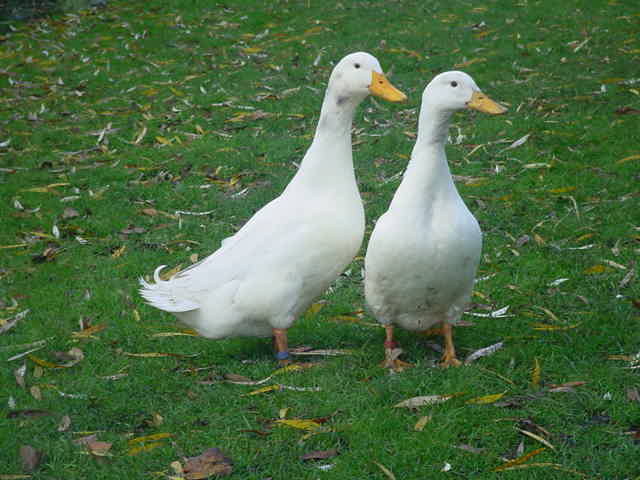
When I was five years old, we lived on Edith Street in El Paso, Texas. Most of the time when I walked out the door, I turned right. My best friend, Terry, lived in that direction and the road around that corner led to the convenience store where we bought candy bars, comic books, and the occasional cigarette. If I went bike riding or roller skating, I might turn left. Down the street in that direction, I would pass by two white ceramic ducks sitting in a neighbor’s yard.


The ducks sat there day after day watching me roll by until one day they got up and walked around. I remember it clear as day. It’s one of my special childhood memories that never happened. Yet the impossibility of it doesn’t stop me from remembering it.


Duck! Here comes the little dreamer.
Photo from http://www.poultryclubsa.co.za/wp-content/uploads/Duck-High-Flyer.jpg


I spent most of childhood outside; we all did back then. But on Saturday morning, we stayed inside to watch cartoons. I spent hours watching that naughty putty tat Sylvester stalk Tweety Bird, Betty Boop sing and dance, Woody Woodpecker stir up trouble, and the Road Runner escape from Wile E. Coyote. For years afterward, I had fond but vague memories of a character called Daffy Fuddlebug. Only when I dragged it into the daylight and showed it to my sister did I realize I had conflated three characters (Daffy Duck, Elmer Fudd and Bugs Bunny) into one.


Memories are the artifacts of the lives I have lived: the small child, the lost teenager, the young woman, the wife, the mother, the teacher, the dreamer. Like one civilization built atop another, each life was built upon the one before; and hidden in each layer, the memories, quite a few still intact, their dates carefully stamped on the bottom; others of uncertain date but recognizable; and many, many broken shards, some still sharp and dangerous, others soft-edged from being buried so long. I have built a museum of words and images where I keep these memories.


Sometimes I go there and wander through the quiet rooms, trying to understand the history of my life, believing it will help me live a better life today and in my future. I see that I have mistaken dreams for memories; those early ones often look alike to me. And I have mislabeled a few; the details and faces obscured by time. I leave them as they are; my misremembering is as much a part of me as my remembering. Memories are not facts; they are part of the story we tell ourselves. They may not be real in the way we define facts; but like all good stories, they are true. So I do my best to remember them; and try as I might, I cannot let go of my fond but vague memory of Daffy Fuddlebug.


Potato sorrows

Standard

I woke up after a troubled dream of Mr. Potato Head chasing me out of Ireland.  This is what comes of writing about potatoes in the morning and reading Frank Delaney’s Ireland at night.


I spoke ill of potatoes yesterday, and now I feel the pangs of contrition. Potatoes helped make me. Not just my thighs, but all of me. My great-grandfather came from Templemore in North Tipperary, Ireland. I have no doubt he was raised on potatoes, the staple crop of Irish peasants.


Ideas are like the strings of a guitar. When you pluck a string, it vibrates and causes nearby objects to vibrate as well, something called forced vibration. When you pluck on an idea, it sends out vibrations to other ideas, and soon you have a whole group of other ideas humming along. When I plucked potatoes, my wart vibrated. Then I looked around the web and the two words vibrated  into Potato Wart, a serious fungal disease that potatoes fear. No wonder they get upset when we humans rub our warts on them. Our warts come from viruses, not fungi, but try telling that to a potato.


The fungus synchytrium endobioticum, which we call Potato Wart, caused the Irish Potato Famine that began in 1845. It led to at least one million deaths and the migration of at least another million Irish. My great-grandfather left Templemore some time after the famine, but his family would have lived through it. In the suitcase he carried across the sea, underneath his dreams of a better life, he would have carried clean but tattered memories of the potato blight, hunger, oppression, and poverty.


So I apologize to potatoes, we share the same history and we both worry about warts. Putting “worry” and “wart” in close proximity sends out another vibration, which makes me think of worrywarts. One day I will pluck that string, but not today.


I woke up with the pangs of contrition, and though we usually associate that with the idea of sorrow over wrongdoing, its first and literal meaning was to rub things against each other: the way my mother rubbed that potato against the palm of my hand. In the most literal sense, that rubbing of the Irish potato against the palm of the somewhat Irish little girl was an act of contrition. Both had roots in Ireland, shared a history of loss, and had a fear of warts. Today, I was reminded of the Irish saying, “Only two things in this world are too serious to be jested on, potatoes and matrimony.” So, in a second act of contrition, I think I need to apologize to the humble tuber.


Since I’m only part Irish, I only need to follow part of the admonition. I will refrain from jesting about potatoes, at least until after St. Patrick’s Day, but after thirtysome years of marriage, there is no way I can refrain from joking about matrimony.


Drawings from: http://adminstaff.vassar.edu/sttaylor/FAMINE

Losing what you never had

Standard

I remember the first time I read the stories of the Greek gods, particularly Zeus and the birth of Athena. To most people, the idea of a full-grown daughter emerging from someone’s forehead sounds incredible, the stuff of dreams and mythology; however, it didn’t seem strange to me. Zeus reminded me of my mother who could open her mouth and speak fully grown siblings into existence.


In the galaxy of our neighborhood, my family was one of the smaller solar systems.  Daddy blazed like the sun in the center, circled by mother, his reflecting moon, and his two small planets, my sister and me. Friends and relatives, like distant stars, were out there somewhere, but we lived primarily in a world of four.


Mother had been someone’s moon before; this was her third attempt at marriage. She had escaped the drunken rages, violent beatings, and evictions of her earlier life, and found a man who loved and provided for her. As this new man drew her forward and away from those events, her memory looked back and wrote them into a story she told, but no longer lived. Daddy treated her with kindness and love, but he wanted nothing to do with her past. That included her other children, the five she had before she met him.


When my daddy was alive, I moved between two parallel worlds. In one, I was the second daughter of a loving father and his faithful wife, living a typical middle-class life. We lived in a three-bedroom, one-bath brick house with elm trees in the front and a swing set in the back. In the parallel world, I was the fifth daughter of a father who was my oldest sister’s abusive stepfather. He married a woman, twice divorced, whose last known address in Alabama had been on White Trash Avenue. The point of intersection of these two worlds was my oldest sister, Connie.


Clyde and Connie: mother's first two children

Connie was mother’s firstborn, dragged into mother’s three marriages and written into mother’s story of abusive men, poverty, and abandonment. She learned early to take care of herself. Funny, independent, and defiant, she left home at 17 to get married. I was two years old, too young to remember. My father, the love of mother’s life and the man ever kind to mother and his two children, once beat Connie with an electrical cord, a story I learned years and years after he died.


By age 23, Connie had three children. From as early as I can remember, we visited her and her children. I was their youngest aunt, just two years older than Connie’s first child. Mother forbade us to tell our daddy of our clandestine visits. Since Connie had been in my life from the beginning, she was a secret, but not a surprise.


Daddy wanted mother to himself. To please him, she locked her secrets up and never spoke of the past in front of him. But when he was not around, she shared those secrets with my sister and me. Her words carried us back into the past with her, and I began to understand that the story of my life didn’t begin with me. I had arrived in the middle of her story, the story she must tell. So, secret after secret, she told us her life. I doubt she had any idea how heavy those secrets were to the two little girls listening and wondering. But how can I blame her? Stories demand to be told and give us no rest until we give them voice.

Clyde as a young boy


I don’t remember how old I was when a brother, Clyde, sprung full-grown from mother’s mouth into my consciousness. Born two years after Connie, he was mother’s firstborn son from her first marriage. She never spoke much about him, but when she did, she prefaced the story by mentioning the car accident. When Clyde was around ten years old, a car hit him and threw him several yards, causing a head injury. “He was never the same after that,” she said, as if that explained everything that followed.


What followed was a life of petty theft and then more serious crimes, which led to at least one felony and internment in La Tuna prison in New Mexico.


Even before my daddy died, mother kept in touch with Clyde, sending him small gifts of money, trying to right some of the wrong he suffered by being left behind so many times. Daddy must have known that mother contacted Clyde. If he could have stopped her, I’m sure he would have. On the other hand, my grandmother could have been her go-between, passing the occasional letter back and forth, because she had been the one to raise Clyde most of his life.


Out of focus: how I remember Clyde

Clyde visited us a few times after my daddy’s death and during the time mother’s fourth husband was stationed in Korea on a remote tour. Out of nowhere, my oldest brother would knock on the door, looking as handsome and charming as his father, with the same dark, curly hair and green eyes. When Clyde left, things left with him: money, jewelry, silver dollars, and even a small revolver mother kept because there was no man in the house at the time.


In my senior year in high school, two men from the FBI came to our house looking for Clyde. Mother denied knowing his whereabouts, and I think she was telling the truth. Clyde drifted in and out of her life, much like she had done to him when he was small. He usually contacted mother when he was in need of money. To support himself, he took various jobs, often driving a truck.


Although I visited Clyde with my mom when he was in La Tuna prison, I don’t know or remember what his crime was, but I’m pretty sure it involved theft. After he left prison, mother lost touch with him. A few years before she died, she asked my younger brother to try to find Clyde. He searched online and discovered Clyde’s death certificate, and in the space marked “next of kin,” the word, unknown.


I can’t believe how little I knew or asked my mother about Clyde. When I was a child, part of my reluctance may have been fear. Mother had children from both of her previous husbands, and the children from those marriages were left behind as she moved on to new husbands. If it happened twice before, maybe it would happen again. She could leave me, find a new husband, and I would become just a secret she whispered in another little girl’s ear. “That’s her,” she would say, pointing at me standing in front of the brick house, “she had green eyes too.” The new girl would smile, snuggle closer, and soon forget about me, just as I forgot about Clyde and the others mother told me about. I would be left behind with the scenery, entrusted to my grandmother or some other relative willing to take me.


Or maybe I didn’t ask more questions because I chose to hide her secrets, my complicity an act of seeking her favor. Perhaps it was my way of saying: Keep me! Keep me! Abandonment was my greatest fear and after my daddy abruptly left through death’s door, mother was all I had.


Fear may explain my childhood disinterest, but I can’t explain why I didn’t try to find out more about Clyde when I was older. I felt mother’s reluctance to talk much about him. She only told the stories she could; the others stayed inside, breaking her heart. My demands to hear more may have awakened words that would have shattered her world or her sanity. Sometimes silence is the only way we can survive. I don’t really know why I never asked more questions.


We make choices in life. We walk down a road, afraid to turn back, driven forward until it’s impossible to find our way back even if we want to. Now, no one is left to answer my questions. Clyde became the book I never read, buried years ago.


Some stories never find a voice in this lifetime.


I wonder if those buried stories come back as ghosts to haunt us. Do they roam the earth seeking to be embodied in someone’s words, willing to take on new names, live in strange locations, just as long as their story can be told? Maybe Clyde’s story waits for me in a book: he has changed his name, moved to Montana, and now wears his blond hair short. Maybe he is sitting at a table in a small café, looking for me in the crowds and waiting to tell me what I seek to know.


I cried when my younger brother told me about Clyde’s death certificate. Next of kin: unknown. It breaks my heart that he died alone, like a motherless child. I want to tell his story but I don’t know how.


How much is that doggie in the window?

Standard

One of the chief delights of blogging is discovering writers, cooks, painters, photographers, teachers, and poets who delight and instruct you. One blogger who does just that is RAB at You Knew What I Meant. A multi-talented woman who also teaches college-level writing and literature, RAB draws from her collection of bloopers written by her students and comments about them on her blog. She ranges from serious and thoughtful to wry and funny. I learn something from her every day. If you go there, you will too, and you will not be disappointed.


Today I asked her to write something for my blog. Enjoy!

RAB and her younger sister: a little older but probably no wiser.

That parents would think their kids are special comes as no surprise: it seems to be part of the job description. I was blessed with parents who encouraged and supported their children while still trying to help them keep their perspective on their own achievements. But that didn’t keep my sisters and me from deciding we were, more or less, Infant Phenomenons. My parents’ smiles at manifestations of that were, I’m sure, part pride and part enormous amusement. And sometimes they also had to draw on what seem in retrospect to have been infinite stores of patience.


Here’s my most vivid recollection of one of those instances.


My sister and I were quite taken with the television show Arthur Godfrey’s Talent Scouts. Reading about it now, I find it was the #2 television hit show during the 1950s. People would come on the show and perform; at the end of the program the audience would applaud, and the applause-o-meter would indicate the winning act. Kind of like American Idol, but without the hoopla or the nastiness.


I imagine that, in what has become the pattern of televised contests, at some point in every show somebody explained the procedures and rules; but I’m not sure that anybody ever explained where the acts had come from. Helen and I reasoned that since the show was called Arthur Godfrey’s Talent Scouts, the acts must have been found by a band of talent scouts, whatever that might mean, who brought their discoveries back to Arthur Godfrey so he could put them on his show. And Helen and I formed the ambition not only to be found and brought back, but also to win the prize.


When I was six and Helen was three (and my other sister was yet to be born), my parents decided to make the first of what would be three family car trips to Florida. That was before Route I-95: they planned to drive from New Jersey to Florida on Route 1, stopping for meals etc. but otherwise driving straight through the night, alternating the driving between them. My father stowed the family luggage in the back seat foot wells and then laid a crib mattress down, covering luggage and back seat. This made a luxuriously spacious bed-cum-recreational space for Helen and me, with room for coloring books, a few stuffed toys, Weenie the sacred blanket (shreds), and bedding. There is no more magically comforting experience, I think, for a child than lying drowsily in the back seat of the family car, looking up at the stars through the back window, and hearing Mommy and Daddy conversing softly and seemingly far away in the front seat over the hiss of the tires on the ribbon of paved road. The drive down had that kind of magical peace, even when we were awake and trying to be the first to see a car with a Delaware…and then Maryland…and then Virginia…license plate.


Once in Florida, we cavorted on beaches and visited relatives and met some nice people from Michigan who were staying in the motel unit next to ours. And at some point, for some reason, we developed the plan for being discovered by Arthur Godfrey. This plan must have made the return trip from Florida to New Jersey sheer hell for our parents.


How do Talent Scouts operate, after all? Well, I knew what Girl Scouts and Boy Scouts did, having read about them and aspiring to join GSA (for the uniform): they hiked around, especially in the woods. They looked at things. They collected things. I had also read about Indian Scouts, who traveled around looking for bent twigs and other important things along the trail. So Helen and I figured that Talent Scouts probably drove the roads of America looking for talent. We were too young to have much of an idea of what went on in night clubs and the like, so it didn’t occur to us that the Talent Scouts might be traveling to look at actual ACTS. Our notion was, they kept their eyes and ears open for Talent wherever it might be—someone singing in church, somebody doing cartwheels in her yard, somebody tap-dancing with friends at school or maybe on the sidewalk. What more likely place for the Talent Scouts to be driving, we thought, than Route ONE?


Our plan was to get discovered on the way home to New Jersey. And so we insisted on riding with the windows open as we sang our best number, “How Much Is That Doggie in the Window?” It was a pretty big hit at the time, and we fancied our rendition of it quite a bit, especially the “Arf! Arf!” part. No one in a passing car would be able to see Helen’s affecting gestures of desire as we peered through an imaginary pet-shop window, but our voices alone would surely cause any Scouts worth Arthur Godfrey’s imprimatur to shout over to Daddy and ask him to pull over and let them meet the Amazingly Talented Girls. Because it was impossible to know exactly where or when the Scouts would be driving by, we of course had to sing the song over and over. And over.


My parents made the drive from New Jersey to the Florida border in exactly twenty-four hours. I’m sure the drive home was faster.


I will love them forever for never once telling us the truth about Arthur Godfrey’s Talent Scouts, or asking us to call a halt to our naïve and lusty audition.


Grown-up tattling

Standard

My husband grew up in the Midwest, Land of a Thousand Kindnesses, and came from a family who speak kindly of one another. The first time I met his parents and five siblings, I was shocked. They reminded me of The Waltons, the popular TV family of the 1970s. At family gatherings when my husband’s family told stories about one another, everyone minded everyone else’s feelings, so at the end of their stories, you expected everyone to stand up for a group hug and one more family photo.


My family grew up in Texas, sometimes, but we moved now and then just to see if growing up somewhere else would make us any different. It didn’t. We were the people from Peyton Place no matter where we lived. The soap opera known as Peyton Place first aired in the mid-1960s, shocking some and entertaining others with its stories of divorce, infidelity, imprisonment, and revenge. Just like my family, except that our show ran every day, while Peyton Place only ran two or three episodes a week. At our family gatherings when we told stories, no one worried about anyone’s feelings, we told the most embarrassing stories about each other that we could remember and ended up rolling on the floor hooting and hollering, and sometimes snorting through our noses because none of us could believe the dumb things the others were capable of.


In my family teasing has always been a sign of affection, and our favorite way of teasing is to tell on one another. When you are a child, telling on someone means you are tattling: trying to win the favor of whoever is in charge, either to look good or avoid punishment. Our grown-up tattling is after the fact and has no other purpose than to point out the obvious: we be dumb now and again. And the more we tell the stories on one another, the kindlier we feel toward one another.


So when my husband met my family, he was shocked. It didn’t dissuade him from marrying me, however, because I made sure we were already married before he met them. (Note to reader: Contrary to what my family says, I’m not as dumb as I look and sound.)


If, in the telling of a story about a sibling, we see signs of embarrassment or hear attempts to explain or justify, that story will become a signature story, one we will tell again and again, every chance we get. Because that’s what love does.


My mother never took part in any of this teasing. Of the four siblings I grew up with, only two of us shared the same father. The other two had their own fathers, yet we all share the same sense of humor. Maybe mother was merely the carrier of the slightly off-kilter humor that manifested itself in her children.


Of course everything I have written up until now is just an excuse to tell on the two siblings that I know are still alive. One of these posts I will explain more about my known and unknown siblings. But until then, here’s me showing some love to my brother and sister.

My brother in a littler time

Brother story

Until my brother came along ten years after me, I was the baby of the family. Mother indulged him not only because he was the youngest, but also because he was a boy, something I had been expected to be, but failed. When he was five years old, we lived in military housing in Fort Wainwright, Alaska. One day when he was shopping with mother at the commissary, he asked for some strawberry preserves. Mother tried to talk him out of it and told him he wouldn’t like it because it had chunks of fruit inside, but he insisted. The next day she put the preserves on his peanut butter sandwich, and after one bite, he knew mother was right: he didn’t like preserves. Mother insisted that he eat the sandwich, and then left him alone in the kitchen. He pulled the two pieces of bread apart, thinking he might be able to salvage the peanut butter side. It, too, was ruined. I’m sure that we had a garbage can in the kitchen, and I know that my brother had seen people throw things in the garbage, so it wasn’t as if he didn’t know how to dispose of the bread. He must have feared that mother would see the uneaten sandwich languishing in the trash, so he did what any reasonable person would do. He picked up the rug in front of the kitchen sink, placed one slice of the bread on the floor, and carefully covered it with the rug so that it was hidden. Then he took the other piece, opened the basement door, and flung it down the stairs. After all, who would think to look there? He doesn’t remember if mother found the first slice before or after she stepped on the rug; he can’t remember any consequences at all. Since he was the youngest, there probably weren’t consequences.

One of the few days the world left my sister's hair alone

Sister story

As a young girl and teenager, my sister suffered from Tourette’s of the Hair. Most nights she lathered her hair in Dippity-do, wrapped the strands in pink pokey, plastic rollers; large, bristly, netted curlers; or soft, spongy snap-ons in the belief that she could make her hair bend to her will. More often than not, it didn’t. Some nights the hair wriggled out of the curlers; other nights the curlers twisted the wrong way. When she commanded it to flip up, it flipped down. Or if she ordered it to swoosh that way, it drooped the other way. This made bad words come of her mouth. She developed two theories based on her hair. First, she believed the world had an interest in how her hair turned out each morning. Nice hair displeased the world; it was completely and utterly against her quest to be the best tressed at school, and, in fact, wanted her to go to school with failed hair. Second, she convinced herself that the answer to obedient hair resided in the bathroom counter. She hypothesized that by striking the counter hard enough and often enough with a comb, brush, or curling iron, her hair would suddenly flip or swoosh the right way. It took a number of years and a pile of broken hair appliances before she accepted the fact that the counter was merely an innocent bystander. She told me later with some regret that she passed this problem onto her daughter. She is still working on the problem of the world being against her.

In the interest of fairness, I should include a story about myself. Unfortunately, I have run out of space. Really. If I write any more I will bump into those little icons under this sentence.

I dream of flying

Standard

For as long as I have remembered, I have dreamt of flying. I stand under a blue sky with my arms lifted and then gently push off from the earth and fly, almost float, above my world.  Hope follows me out of these dreams, and I feel as if I share a secret with the sky.


When I was five or six, my father went on a trip and came home with a bracelet and necklace for me. I still have the set. Patterned after the silver and turquoise jewelry common among Native American tribes of the West, it is imitation jewelry, made for children. The necklace holds a rounded horseshoe-shaped piece in the middle, and my father told me that if I held that piece and made a wish, any wish, it would come true.


When you are a child, your nighttime dreams seem as real as your daytime life. I never thought that I was just dreaming about flying; I believed I was flying at night. In the morning, I landed back in this other world, held firmly in the arms of the jealous earth.

The day after I received the jewelry set from my father, I stood on the red brick planter in front of our porch, wearing the bracelet and necklace. One hand grasped the turquoise piece in the middle of the necklace, and the other held my nighttime dream, wrapped up in a daytime wish. I named my wish and saw myself soaring near the elm trees in the yard. Then I jumped.


The earth would not let go of me, and I landed on my feet, one hand still grasping the necklace, the other one empty. I watched my hope take wing and leave me, the sky indifferent to my longing. Children have their own sorrows and know the loss of dreams, sometimes before they have the words to tell you.


For many years, I kept a journal of my nighttime dreams, but for the last five years, my mind has chosen to forget. The other night I stood in a field and the sky called for me, like an old friend inviting me back. Featherless, I flew into that place of my childhood joy, the place of belonging. When I awoke, I could almost hear birds singing in the empty winter trees, a song familiar and forgotten, with a melody of hope.

The old woman in the mirror

Standard

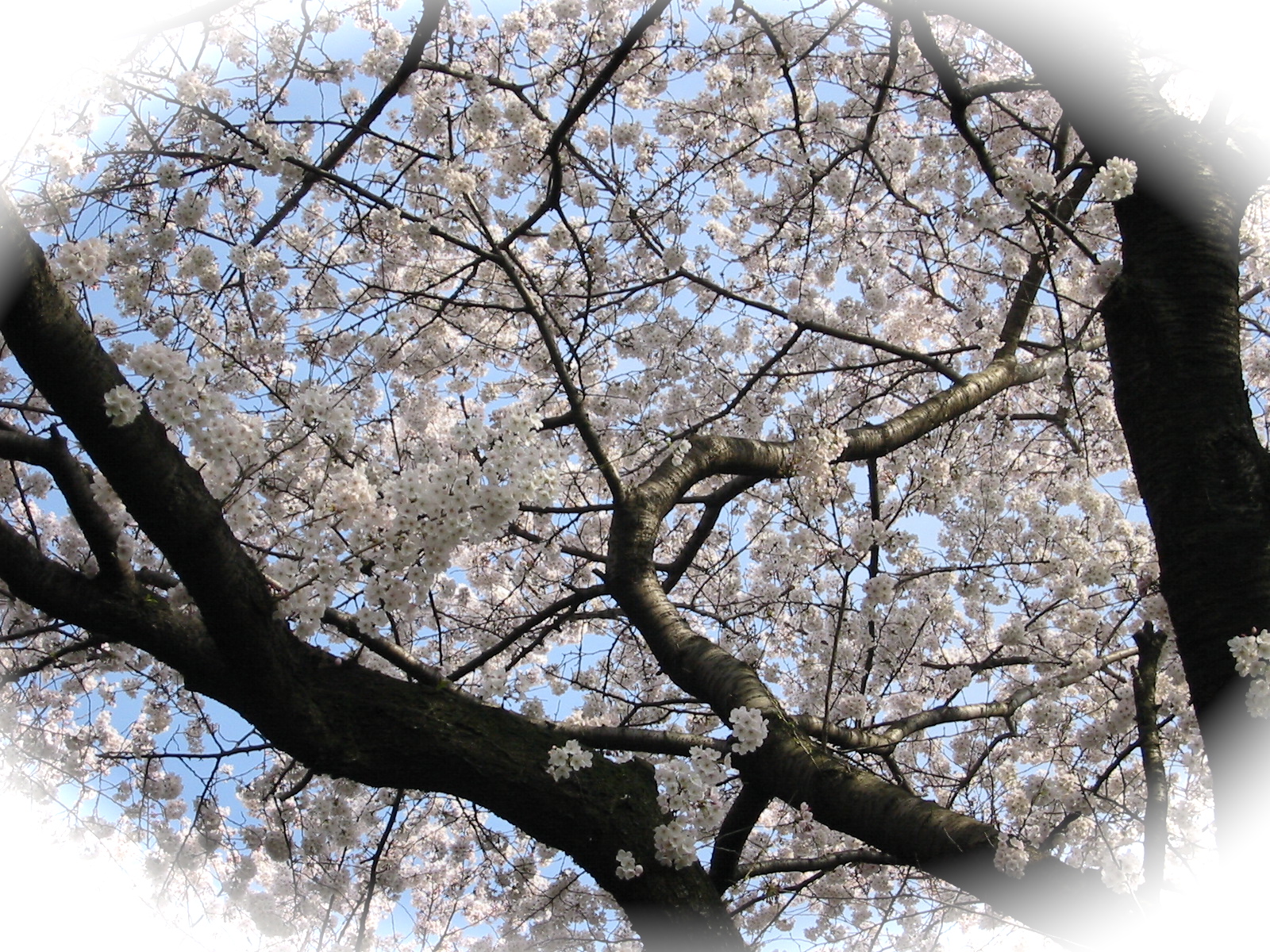
Before the cherry blossoms fall.


Sometimes I talk to the old woman in the mirror. She tells me her stories and asks me questions. I know each tale she tells, but I listen anyway.


So, she says, did I tell you about the time I almost belonged? We lived in a house; it’s where the children did much of their growing up. Friends lived nearby, and I had a job teaching. I liked the house because it was small and easy to clean. When friends came, it grew big with laughter. Nearby was my park. In the early mornings I followed the river, looking for the egrets. In spring the cherry trees drew near to the river, bending down to admire their blossoms in the water. Back then I believed I would die from beauty.


From a place I almost belonged.

Yes, I answer, I remember you told me that.


Oh, she says, in the park was an old man I called Good Morning Grandpa. In Japanese, he was Ohayo Ojiisan, which is the very same thing. I looked forward to seeing him on my walks, though I never told anyone. Every morning he rode his bike to the park, picked up trash left by careless walkers, and then sat down to smoke a cigarette and greet the people who passed by. He said “Good morning” to me both coming and going. I regret never sitting down and talking to him.


I watch as she talks, watch her smile fade and the tears well up.


I think I told you this, she says, but that day we left on our trip, we had only planned to be gone a few weeks. How could I have known it would be the last time I would live in that house? That I would never see Good Morning Grandpa again?


I nod, watching as she wipes her tears.


Zempukuji River

She shakes her head and says, how was I to know the world would tilt and I would slide off? I had only four days to return and gather a few things for that first winter. Hardly time to say goodbye.


I know, I say, I remember that first winter and how cold the world felt.


I use to cry for her, almost every day, that old woman in the mirror. But after four winters, I’ve grown stronger. I still mind the cold but at night when I close my eyes, I dream that her tears are cherry blossoms falling one by one into Zempukuji River.


The memory collector

Standard

My small self

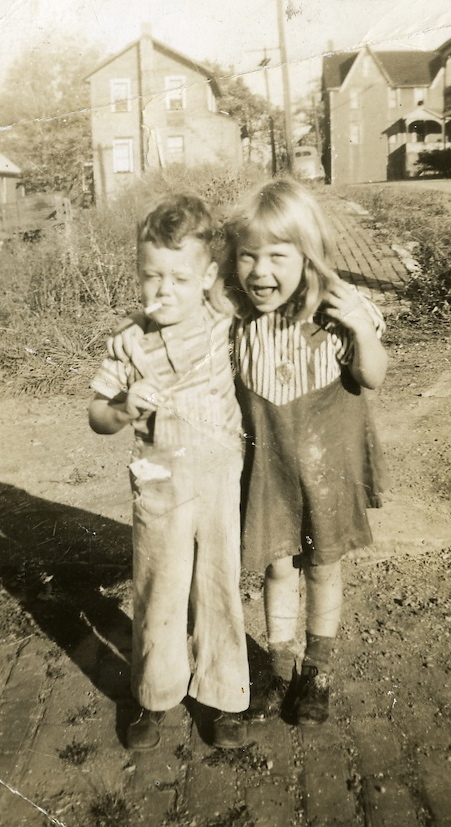
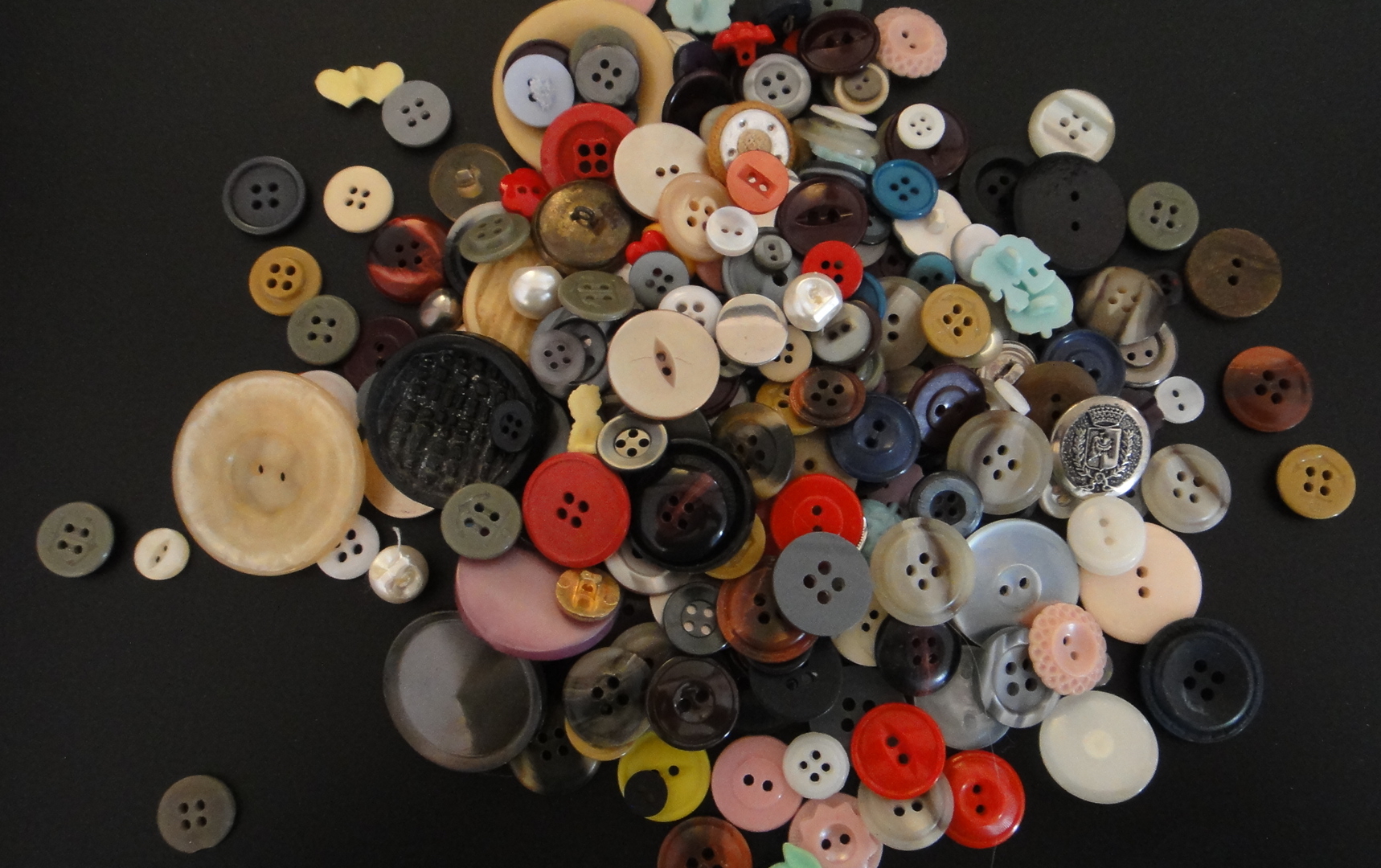
When I was small, I collected things I found: shiny objects, buttons, leaves, and feathers, especially feathers. I often dreamt I could fly and feathers seemed like a promise of that dream. Finding something of beauty felt like an accomplishment. My reward for paying attention. Somewhere on the road to adolescence, I lost every one of those treasures.


In my teens, I kept a drawer filled with notes, jewelry, stray buttons, foreign coins passed on from relatives, ticket stubs, a lock with a forgotten combination, and pictures of my friends and the boy I loved my freshman and sophomore year. One scrap of paper I saved until I was in my mid-twenties. The library in my high school sent out notes to students who had delinquent books. The notes were short and to the point; they had the student’s name on one line and the name of the book on another line, nothing else. I don’t remember if I was assigned to read Dostoevsky’s Crime and Punishment or if I chose it on my own, but I loved it and wanted to read more of his work. I kept that second book too long because one day in class the teacher handed me a note from the library. All that was written on it was my name and below that, The Idiot. I kept the note for years, my private joke with the universe.


I think objects might want to be found. Maybe a button works for months to untie the strings that bind it to a shirt, and when it leaps out into the unknown, it is looking for adventure. I want to see more of the world, it says; I’ve been manhandled enough, put in my place for too long. Imagine the pleasure it feels when a child or an adult picks it up, admires it, and carries it home as a treasure. At least, that’s how I would feel if I were a button.


My crown

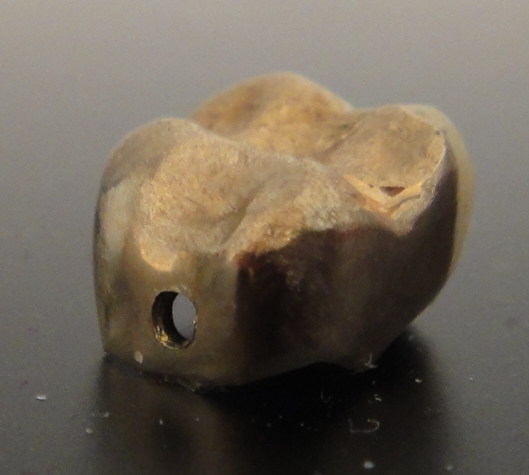
I still have a box of small findings and remembrances, including a gold crown that was fitted for one of my molars but never put on. I could tell a great story about that, but unfortunately, I don’t remember much about it. My mother wore it on her charm bracelet for years and it has come back to me. Last summer I bought a wooden art box for my grandchild and filled it with some of the things I cannot throw away.


Over the years I have tried collecting things of value, but I can’t sustain my interest. In Japan, I started a collection of the holders used to rest chopsticks on, called “hashioki,” but I grew tired trying to find a place to display them and gave most of them away. I use two of them for brush rests when I do Japanese calligraphy.


For a long time, I collected dreams, and for safekeeping, I put them in my heart. When I was alone, I would take them out, whisper promises I thought I could keep, believing that some day every one of them would grow wings and fly. I never thought I could lose them, but I did. And now I know why: my heart is a pocket full of holes.


When mother knew love


Memories are the only thing I am interested in collecting now. These stories, like the flightless feathers I loved as child, or like the fallen petals that when crushed still give off the faint aroma of the rose, or like the empty shell left by a cicada who grew away from her old self but left a part behind for me to hold and remember, these stories are the only treasures I have.

The tall dark stranger

Standard

Elmer (mother’s father), Ketz (her first husband), Clyde (her first son)

Mother was a monogamist four times. At least, I think she was. Pregnant at 15, she had her first child at 16. Before she gave birth to Connie, her first little green-eyed girl, she married the child’s father. Ketz was older than her and had charmed her with his good looks. It’s unclear if he was really her husband. Another wife lived somewhere in his past, and he may or may not have been legally divorced from her. Two years later, mother’s second child, Clyde, was born; a green-eyed boy with curly hair, who looked like his daddy.

Whether the first marriage was monogamy or bigamy, it didn’t last long. Ketz never wanted to put his hard-earned money into the hands of landlords and utility companies; he preferred investing in gambling and other women. Mother had nothing to give the bill collectors, so she left Ketz and moved back in with her mother.

Connie, the oldest girl, and Clyde, the oldest son

One year after  Clyde was born, Germany invaded Poland and World War II officially started. That year, 1939, President Roosevelt proclaimed U.S. neutrality, but just in case, he also asked for a $1.3 million defense budget.

The build up of the armed forces, along with increased federal spending, helped pull the U.S. out of the Great Depression, but unemployment was still high in the area of Pennsylvania mother lived in. So, she left the two children with her mother and went to New York to find work. Finally free from feeding, diapering, and caring for two small children, she went wild, dancing and drinking every night, and waking up on one particular morning with a tattoo of her name on her shoulder.

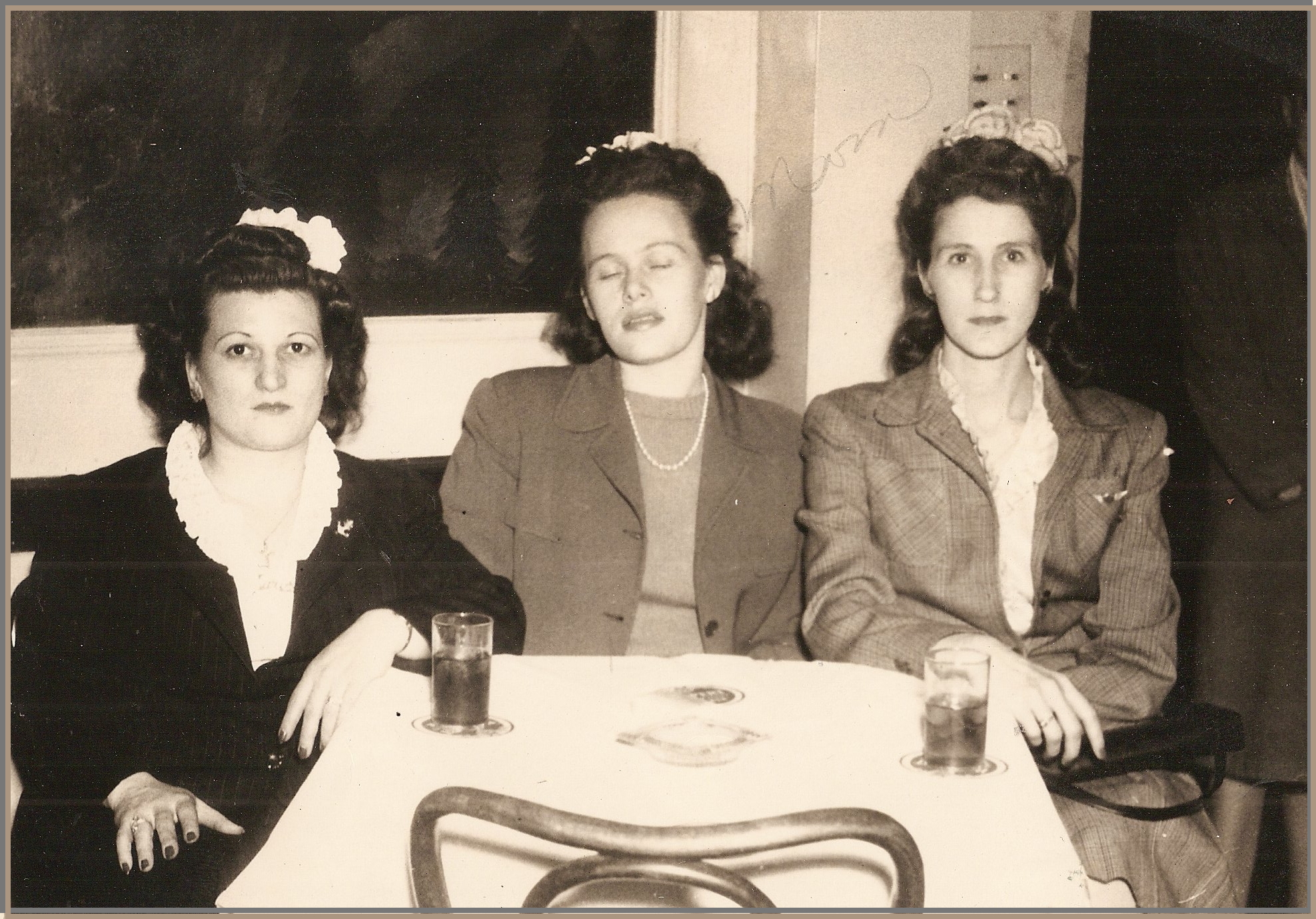
Mother (in the middle) at a nightclub in New York

One of the nights she went out drinking and dancing, she met Grady, a handsome officer in the Merchant Marines. They did more than just drink and dance together, and she got pregnant with her third child. Right about that time, Japan dropped its bombs on Pearl Harbor and the U.S. officially declared war. Grady shipped out, telling mother he didn’t know when he would be back. Late in her pregnancy when she could no longer work, her friends took her in. Her father, Elmer, died right after she gave birth to James, so she returned once more to her mother’s house, with another baby.

Jobs were hard to find in Barnesboro, so she left the three children with her mother and went to Chester to find a waitressing job. World War II brought manufacturing and ship building jobs to Chester, which sits on the Delaware River across from southwestern New Jersey. Once she found a job and got an apartment, her mother and the three children joined her. Not long after that, Grady showed up again and they decided to get married.

Mother’s darkest days were just ahead of her, but of course, she didn’t know that. You never do. The future, a tall dark stranger with good looks and an easy laugh, holds out his hand and you take it. In some stories he carries you off into the sunset and you live happily ever after. In other stories, he takes you home, beats the life out of you, and then leaves you out on the street with five children. And that’s exactly what mother’s future did.