Beware of acronyms

Standard


Someday I plan to tell a story of loss, accusation, denial, and the TSA, but not yet. I have been warned by my paranoia to be careful here. I hesitate to spell out TSA as Transportation Security Administration because, for all I know, they flag every mention of their name on the Internet. (Hi, Mr. TSA! You are doing a great job. No need to read further.)


Unfortunately, the acronym mentioned above already has my name and address because I made a formal complaint about an incident in New Orleans. I’m sure that had no connection to being singled out on my last trip through Chicago and made to stand in one of those see-through booths waiting for an agent who never came. I was not far from the conveyor belt where my purse and valuables waited for me, but half of the time my view was blocked by other passengers grabbing things from trays and walking away. I got a good ten-minute workout, bending right and left, standing on tiptoes, straining my neck to peer around people and moving from one corner of my glass booth to the other to make sure the passengers weren’t walking away with my things. Finally an agent walked over to me and said I could go. Maybe being forced to stay in a glass cage is their equivalent of time-out for whiners.


(Note to reader: Sometimes I am stupider than I look. I plan to travel this summer, but now I wonder if I will make it back home. If not, I have really enjoyed getting to know you.)


But that is not what I want to write about today.


Apparently the DHHS, the Department of Health and Human Services, resents the power of the TSA to open your luggage and remove items deemed unsafe or possibly too valuable for you. (You don’t really need that iPad.) The department’s Division of Childhood Development and Early Education, DCDEE, mandates all pre-kindergarten programs serve food that meets guidelines determined by the United States Department of Agriculture, USDA. And now, they have the power to open your child’s lunchbox or breakfast box and decide what is safe for the child to eat.

This concerns me for two reasons. First, if you put all those acronyms together, you come up with DHHSDCDEEUSDA. That hardly trips off the tongue the way TSA (Takes Stuff Away) does. It is ugly, gross, and hideous, or what I like to call UGH. Second, the USDA considers chicken nuggets and batter-coated French fries with ketchup healthy food. These are the foods our children receive at day-care centers and schools because we must take into consideration their taste preferences. Never mind offering good food to children and allowing them to develop a taste for fresh food. Give them what they want: processed food with lots of fat and sugar. And if you must serve vegetables, drown them in cheese sauce, mix them in a casserole using canned soup full of excess sodium and additives, or serve huge dollops of dressing to dip those carrot sticks in.


Can you tell this is a rant?


Last week, my daughter received a note from my grandchild’s day-care warning parents not to send any breakfast food such as donuts or pop-tarts. Only healthy breakfast foods are allowed. The following day, my daughter joined her child for lunch. You can imagine her delight at what was served: hotdogs in white buns, oven-baked French fries, canned tangerines, and lots and lots of ketchup. Nutritious, no?  Everything a growing child needs, assuming you consider any of that healthy food and you consider ketchup a vegetable.


Now, excuse me while I bite down very hard on a carrot.


Getting home from the last station

Standard

The wind swept out the flooded floor of the sky, drenching the world below. I watched the night through the windows as the train hurried through the falling water. When we pulled into Hamadayama Station, I felt relief and dismay. In ten minutes, I could be home. But I had to walk through the rain to get there.


Ten minutes in that insistent rain felt like a lifetime. The cold didn’t think much of my jacket, and my umbrella was built for a kinder world. I carried the taut cloth over my head to hide myself from the sky, believing I could. Then I started walking.


My feet drowned first and my pants clung to me like a shroud. The wind resented the umbrella, which kept my head dry as long as it could. Finally, it threw its hands up in despair and surrendered.


I yielded to the baptism of rain until I managed to half open the broken umbrella. I belonged to the rain now. On the dark streets, I saw a few others, struggling forward. We didn’t speak. Lost in our private thoughts, we were willing ourselves to a place of belonging. All I could think of was home, where I would be safe, where I would be warm.


Those last few steps were the hardest. They always are.


You cannot imagine my delight, grasping that cold doorknob, knowing the door would open into a world of warmth and light, with all of my loved ones waiting for me.


It rained with fury that cold November night in Tokyo.


Listening to your eyes

Standard

Sight seems simple enough. First, you open your eyes. If the room is dark, you go back to sleep. If not, the lenses in your eyes focus. If your eyes find this difficult to do, your nose offers to hold your external lenses because it, too, would like to get a better look at what is right in front of it. Photons of light, like tourists hurrying off the bus, rush into your eyes to see your retina. They crowd around the retina while the brain takes their pictures, and then they rush out, so the next crowd can come in. Some of the same ones visit every single day. Apparently they have nothing better to do, or perhaps the retina is worth seeing again and again.


The brain collects these photos from morning till night, ignoring the most familiar, studying the unfamiliar, and sorting them into piles of those it likes and those it doesn’t. But what is the point of taking pictures if you don’t have someone to share them with? So, the brain shares them with the heart and that complicates sight. Hearts may be born with 20/20 vision, but over time they can change. Life can scar the lens of the heart and pressure can change its ability to focus. An astigmatic heart can’t see clearly, and looking through the lens of expectations only makes it half-blind. Even with the corrective lenses of a friend, lover, or family member, some things remain distorted, blurry, or impossible to see.


If the heart insists loudly and persistently enough that its way of seeing things is true, the brain can start believing the heart instead of the eyes. And the heart is often right. The eyes need light to see; the heart sees in both the light and the dark and can feel truth even when she can’t see it.

But sometimes the heart isn’t right. You come to a crossroads and see a sign telling you where you are. The heart reads the unfamiliar script, not even sure how to pronounce it. Lost again, she says. One more sign of failure. Everyone, except me, knows where to belong. I will never find my way home now. The eyes, however, see the bright, bold letters, the flourishes around the words put there by some sign painter writing his heart in simple words for the weary traveller who would surely walk this way and need some direction. You are here. Just follow the sign. A place of rest lies up ahead. This road might be the one that leads you home.


This time the eyes are right. The heart must trust and follow.

I practice dying every night

Standard

My strength comes in the morning. The early hours wake me at sunrise, smelling of promise and first light. I listen to their bright voices and learn what it means to be born and how to unspool the day from the spinning earth. They carry bird songs in their pockets. Morning is the time for listening. I reach into my heart for crumbs of dreams I’ve carried, toss them at my feet, and wait for the words to land, to eat. Sometimes I hold a word with feathers in my hand and let the tears roll down. It is morning. My strength comes in the morning.


The day is for duty. Small hands point and I must follow. Time schools me, teaches me to climb, move, sit, walk, listen, speak, hurry, wait, and serve. I eat sunlight and grow wings. I cannot fly, but they lighten my load. Duty has a face I love, she never tires, and helps me when I climb. The hours are full of people; we follow time together. Sometimes I rest and wash my feet in their laughter. I give my strength to the day. The day is for duty.


The night is for dying. The words leave me and I watch them rise and go, swallowed by the sky. Sorrow, my sweet sister, whispers in my ear that the time of rest is near. Memories and desires take their leave, sail across the pool of thought till only ripples of their passage remain. I listen to the silence, wrap myself in quiet. The time of letting go has come. My heart steps softly into the dark. I close my eyes, my hands open, releasing every face, dream, and hope I gripped so long, yielding to that other world until I am gone. The night is for dying.


I practice dying every night.


Carried

Standard

Carried by my father.


I’ve been carried all my life, though at first I was too small to see. My father carried half of me in a small pouch, until he met my mother. I would have been forgotten, but mother came alongside of him with the other half, then placed me in the pocket she put all her children in.


So spare, so silent, she hardly knew I was there, listening, wondering, and waiting. All day she walked and rocked me. I slept as she moved through her day. When she lay down to rest, I woke. Day and night were both dark to me.


Before I knew the words, I heard voices muffle and murmur love, felt the soft bounce of laughter, and the sharp shake of tears. Hands spoke their joy and expectation, now patting, now prodding, now pushing against my feet as I pushed back. Too young for school and all alone, I tried to find the formula for X and Y that would please them. Outside they waited for a boy, inside I waited as a girl.


I tried my best to stay by staying small, but the pocket could not hold me. I knew I had to go. Thinking I should travel light, I even grew a smaller brain. How was I to know I would need a larger one when I got to that other place?


Leaving was the hardest; the passage, dark and narrow. Mother never had a smaller child or one so fearful to appear before the others. We struggled, both of us, until I was carried home.


Almost forgotten once, half here, half there, now here. Carried, always carried, by stories, time, and secrets.


I’ve been carried all my life. How about you?

One order of ordinary, hold the extra

Standard

I like a perfectly shaped tree all dressed up for Christmas, wrapped in lights and spangles, gold star atop its head, pretending to be indifferent to all of the gifts strewn at its feet. A tree like that gets my attention; it probably gets your attention, too. When you’re the only tree in the room, you shine in an extraordinary way.


I like Christmas trees; I even admire them. But the trees I love don’t stand around in people’s living rooms doing their best to call attention to themselves. The trees I love live in groves and glades and forests. You can hardly tell one from another. They are ordinary trees, living and dying where they were planted but so full of beauty that if you took the time to learn the history of what they have seen and known and endured, your heart would break with either joy or sorrow, or more likely, both.


Ordinary trees sparkle sunlight across our paths; spend their lives scattering their strength to raise up new generations of trees; nurture winged delight; throw out shadows like carpets, inviting us to stop and rest awhile; whisper truth to those with ears to hear; take our breath away and then give it back. They do this every day, whether anyone notices or not.


Popular American culture values the extraordinary, at least that’s the message I hear. Ordinary is not good enough. You must be smarter, more beautiful, or more athletic than everyone else. You must write better, or be funnier, or take better pictures than other people. If you don’t, you won’t stand out, you won’t be somebody, people won’t know your name or be able to pick you out from a crowd. You will have to wander through life without the only prefix that matters, “extra.” Maybe because extra is rare, everybody wants it. People feel compelled to express their superiority, to trumpet their accomplishments, and to tell people over and over how extraordinary they are, thinking that by saying it often enough, the prefix will magically attach to their ordinary selves.


I appreciate and admire extraordinary people. I listen to their music, enjoy their art, read their books and poems, and enjoy the benefits of their research and inventions. I’ve even known a few I would call extraordinary, but maybe because I am an ordinary person, I like ordinary people best. If I were a tree, no one would choose me to be the centerpiece in a room of celebration. I look like a thousand other trees and even if you walked by me everyday, I doubt you would remember me or be able to pick me out. I am the small, asymmetric tree with the missing branches, standing over there in the northeast corner of the grove.


Twice in the last month, I have touched on this issue with two people who blog. A while back, I  nominated ShimonZ of thehumanpicture for an award. He thanked me but asked to be excused from posting the award on his blog. With his permission, I am including some of what he wrote in response:


Thank you very much for nominating me…I have been nominated for a few awards, and I have tried as best I could to extricate myself without offending those who wished to be nice to me. I don’t want any prizes. I come from a different culture, in which people don’t walk around with medals on their chest, and it is usually an embarrassment to one of us, to get a prize or an award. For me, it is my reward that you read my blog from time to time, and respond here and there.


I like those words. Behind that simplicity, I believe there is a willingness to embrace being ordinary.


Then on the blog The Heartbreak of Invention, I read patricamj’s essay “Why Psychotherapy Doesn’t Work for You” and when I commented I said I thought she must be a good therapist because she seems like an ordinary person. As soon as I wrote that, I realized I needed to qualify it, so I added that I meant it as high praise. I did and I still do.


The world is full of ordinary things and ordinary people, and I am one of them. I read books and stories by famous writers who knock my socks off.  Some of them are extraordinary people. But I am also left sockless by some of the ordinary people who write blogs: people like ShimonZ and patriciamj. They scatter patterns of light that brighten my day; offer shade if I need some rest; delight me with words that soar and sing; blind me with beauty, then teach me to see; whisper truth; take my breath away, and then give it back with laughter. And they do it every day, whether anyone notices or not.


That’s what ordinary people do.

The old woman in the mirror

Standard

Before the cherry blossoms fall.


Sometimes I talk to the old woman in the mirror. She tells me her stories and asks me questions. I know each tale she tells, but I listen anyway.


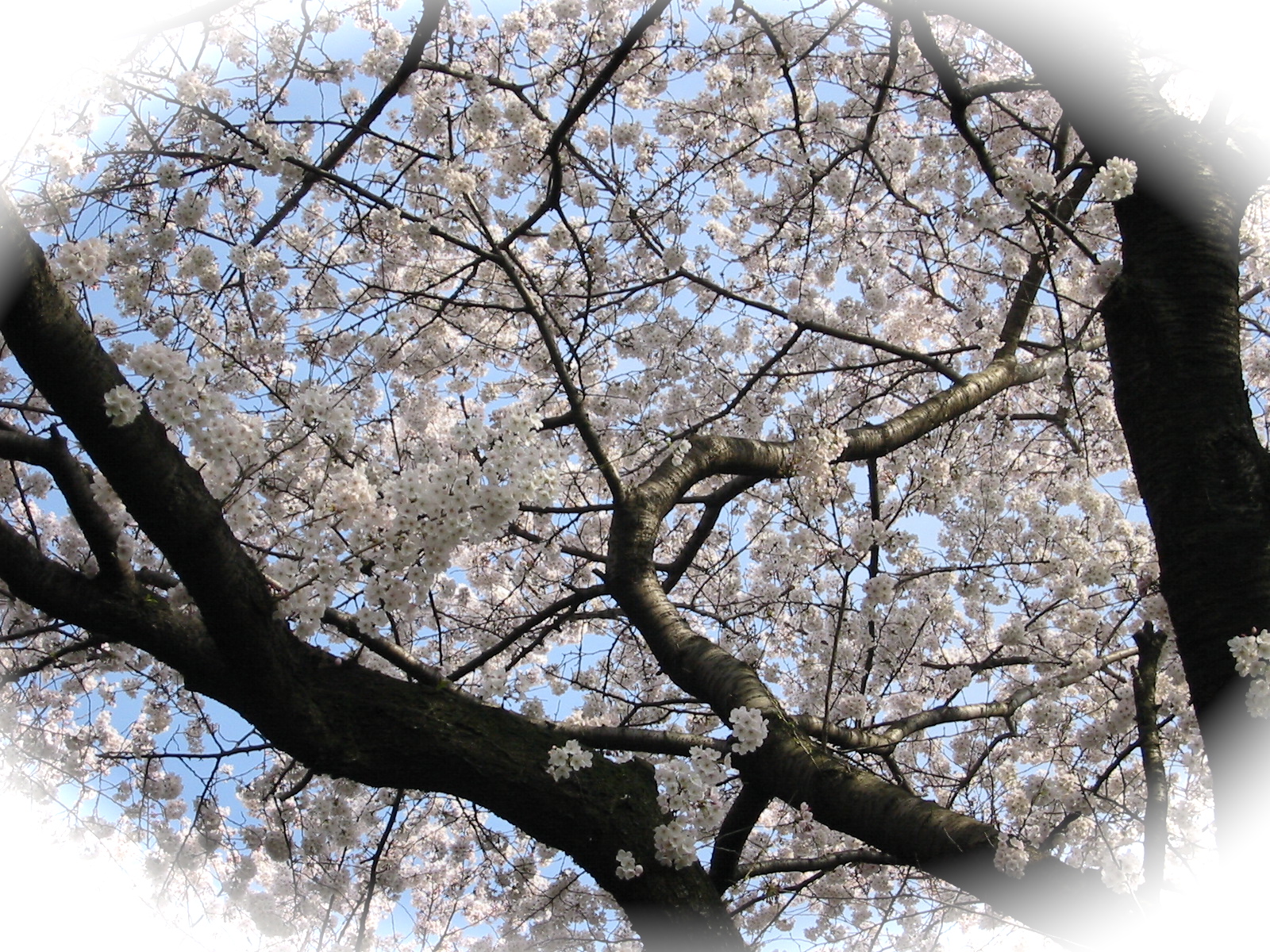
So, she says, did I tell you about the time I almost belonged? We lived in a house; it’s where the children did much of their growing up. Friends lived nearby, and I had a job teaching. I liked the house because it was small and easy to clean. When friends came, it grew big with laughter. Nearby was my park. In the early mornings I followed the river, looking for the egrets. In spring the cherry trees drew near to the river, bending down to admire their blossoms in the water. Back then I believed I would die from beauty.


From a place I almost belonged.

Yes, I answer, I remember you told me that.


Oh, she says, in the park was an old man I called Good Morning Grandpa. In Japanese, he was Ohayo Ojiisan, which is the very same thing. I looked forward to seeing him on my walks, though I never told anyone. Every morning he rode his bike to the park, picked up trash left by careless walkers, and then sat down to smoke a cigarette and greet the people who passed by. He said “Good morning” to me both coming and going. I regret never sitting down and talking to him.


I watch as she talks, watch her smile fade and the tears well up.


I think I told you this, she says, but that day we left on our trip, we had only planned to be gone a few weeks. How could I have known it would be the last time I would live in that house? That I would never see Good Morning Grandpa again?


I nod, watching as she wipes her tears.


Zempukuji River

She shakes her head and says, how was I to know the world would tilt and I would slide off? I had only four days to return and gather a few things for that first winter. Hardly time to say goodbye.


I know, I say, I remember that first winter and how cold the world felt.


I use to cry for her, almost every day, that old woman in the mirror. But after four winters, I’ve grown stronger. I still mind the cold but at night when I close my eyes, I dream that her tears are cherry blossoms falling one by one into Zempukuji River.


The tall dark stranger

Standard

Elmer (mother’s father), Ketz (her first husband), Clyde (her first son)

Mother was a monogamist four times. At least, I think she was. Pregnant at 15, she had her first child at 16. Before she gave birth to Connie, her first little green-eyed girl, she married the child’s father. Ketz was older than her and had charmed her with his good looks. It’s unclear if he was really her husband. Another wife lived somewhere in his past, and he may or may not have been legally divorced from her. Two years later, mother’s second child, Clyde, was born; a green-eyed boy with curly hair, who looked like his daddy.

Whether the first marriage was monogamy or bigamy, it didn’t last long. Ketz never wanted to put his hard-earned money into the hands of landlords and utility companies; he preferred investing in gambling and other women. Mother had nothing to give the bill collectors, so she left Ketz and moved back in with her mother.

Connie, the oldest girl, and Clyde, the oldest son

One year after  Clyde was born, Germany invaded Poland and World War II officially started. That year, 1939, President Roosevelt proclaimed U.S. neutrality, but just in case, he also asked for a $1.3 million defense budget.

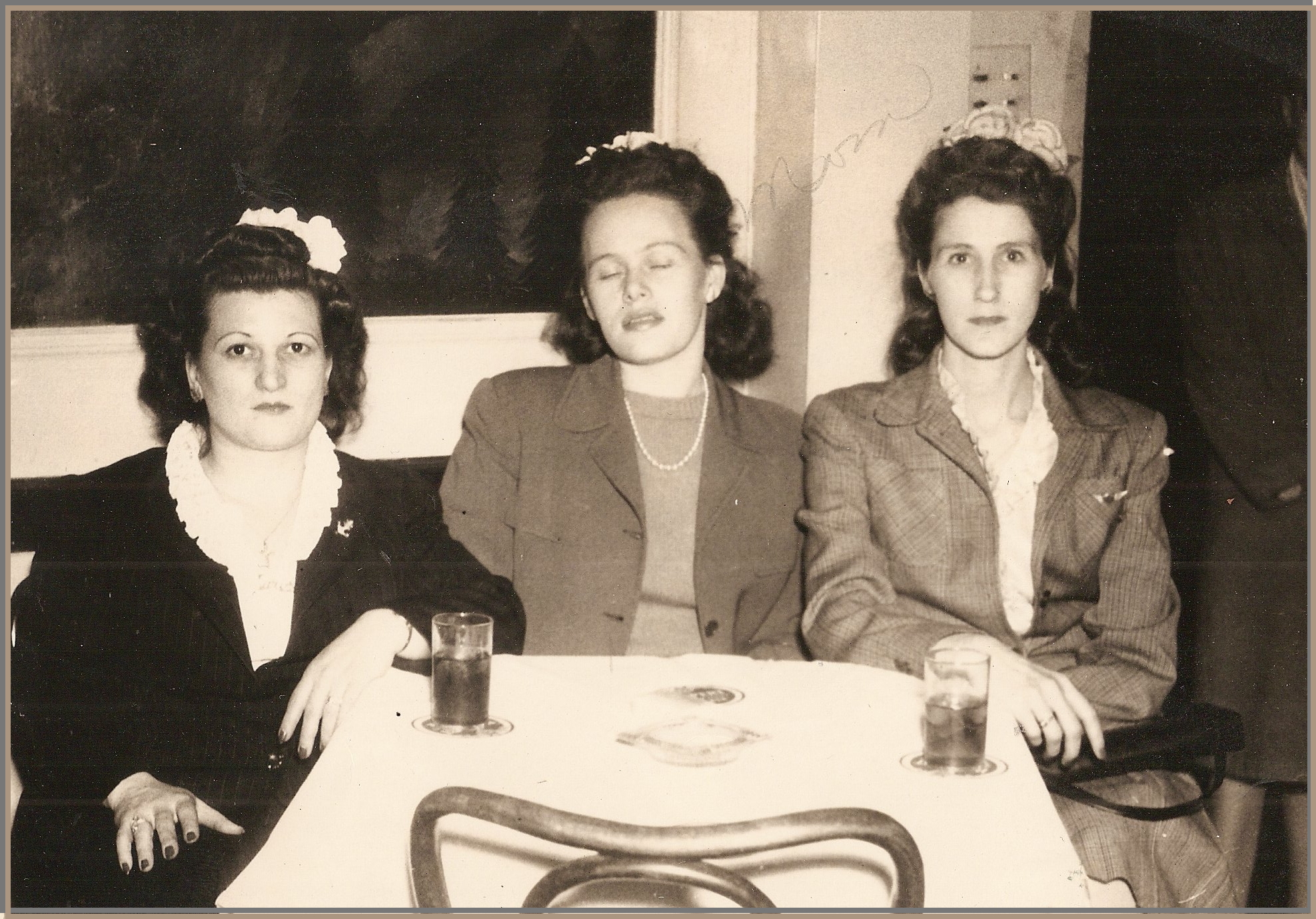
The build up of the armed forces, along with increased federal spending, helped pull the U.S. out of the Great Depression, but unemployment was still high in the area of Pennsylvania mother lived in. So, she left the two children with her mother and went to New York to find work. Finally free from feeding, diapering, and caring for two small children, she went wild, dancing and drinking every night, and waking up on one particular morning with a tattoo of her name on her shoulder.

Mother (in the middle) at a nightclub in New York

One of the nights she went out drinking and dancing, she met Grady, a handsome officer in the Merchant Marines. They did more than just drink and dance together, and she got pregnant with her third child. Right about that time, Japan dropped its bombs on Pearl Harbor and the U.S. officially declared war. Grady shipped out, telling mother he didn’t know when he would be back. Late in her pregnancy when she could no longer work, her friends took her in. Her father, Elmer, died right after she gave birth to James, so she returned once more to her mother’s house, with another baby.

Jobs were hard to find in Barnesboro, so she left the three children with her mother and went to Chester to find a waitressing job. World War II brought manufacturing and ship building jobs to Chester, which sits on the Delaware River across from southwestern New Jersey. Once she found a job and got an apartment, her mother and the three children joined her. Not long after that, Grady showed up again and they decided to get married.

Mother’s darkest days were just ahead of her, but of course, she didn’t know that. You never do. The future, a tall dark stranger with good looks and an easy laugh, holds out his hand and you take it. In some stories he carries you off into the sunset and you live happily ever after. In other stories, he takes you home, beats the life out of you, and then leaves you out on the street with five children. And that’s exactly what mother’s future did.

Doors

Standard

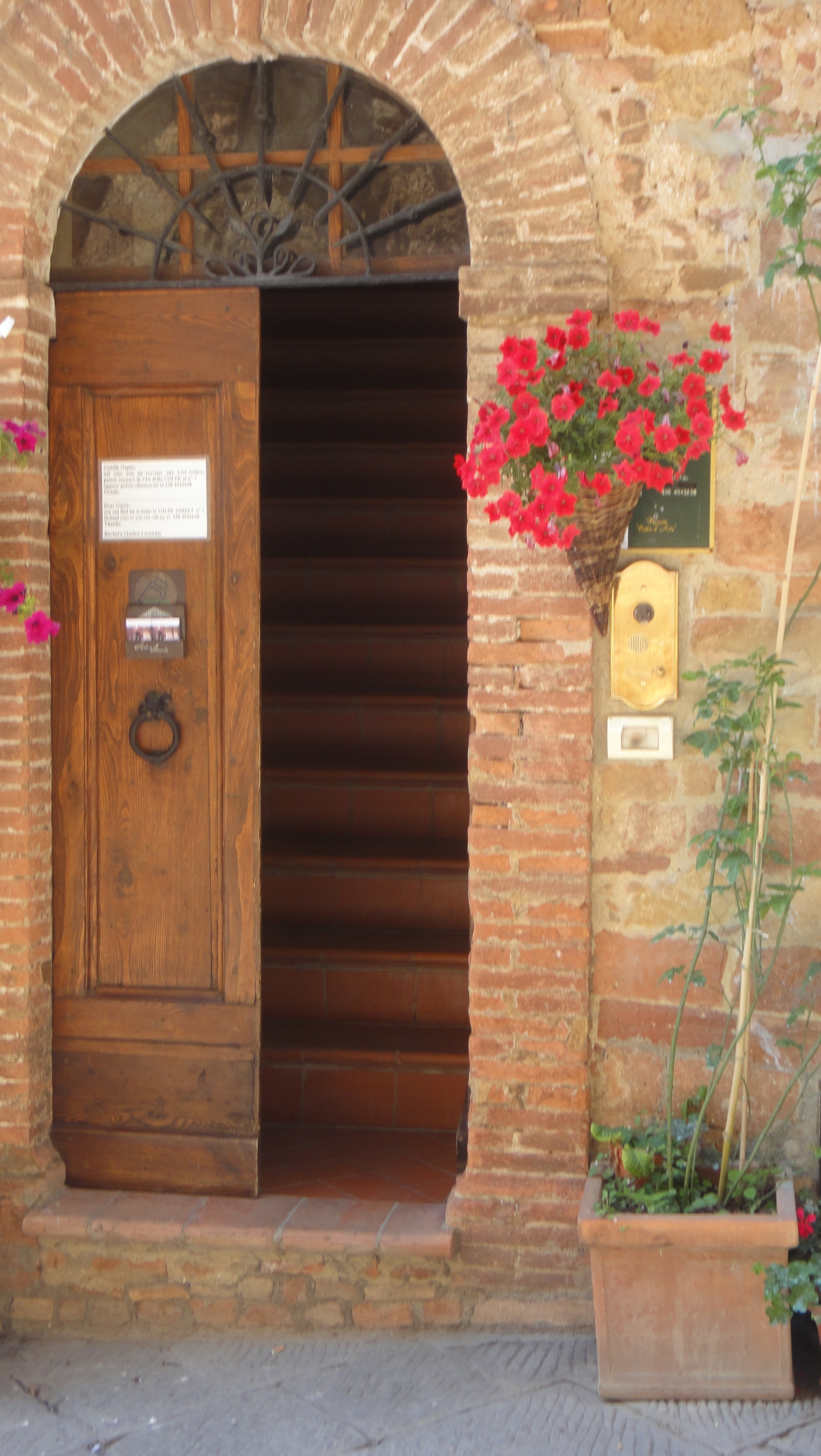
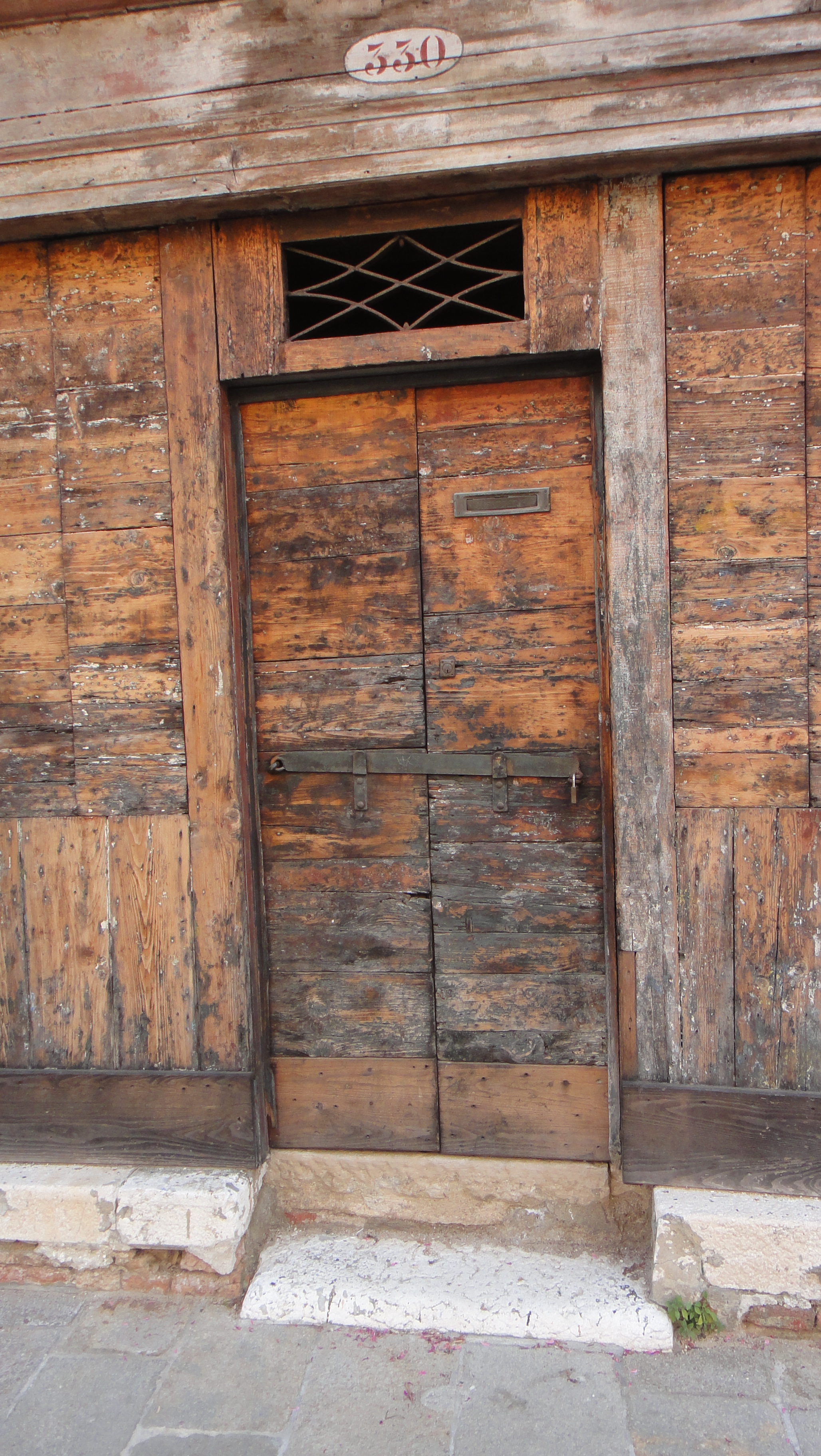
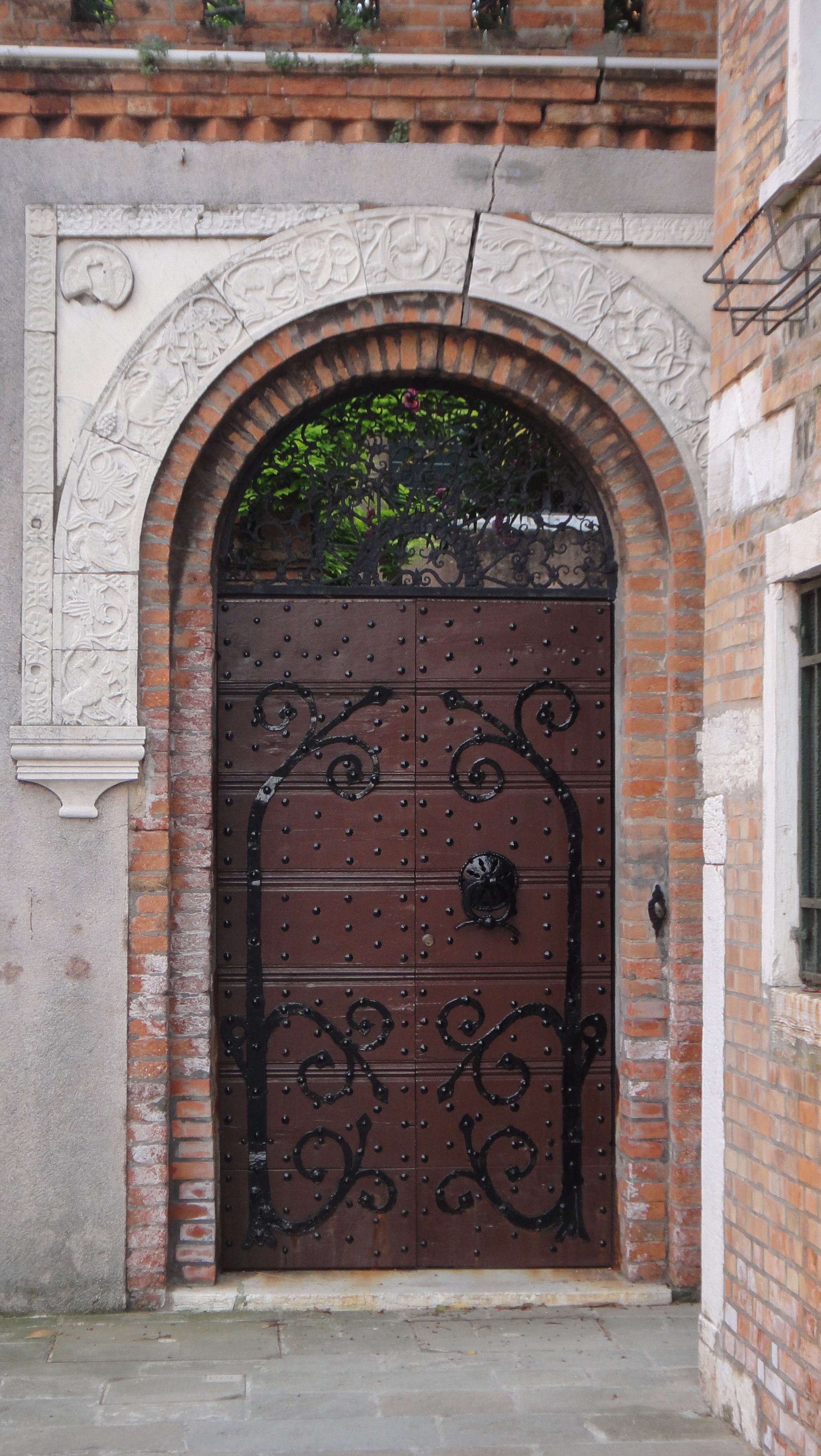
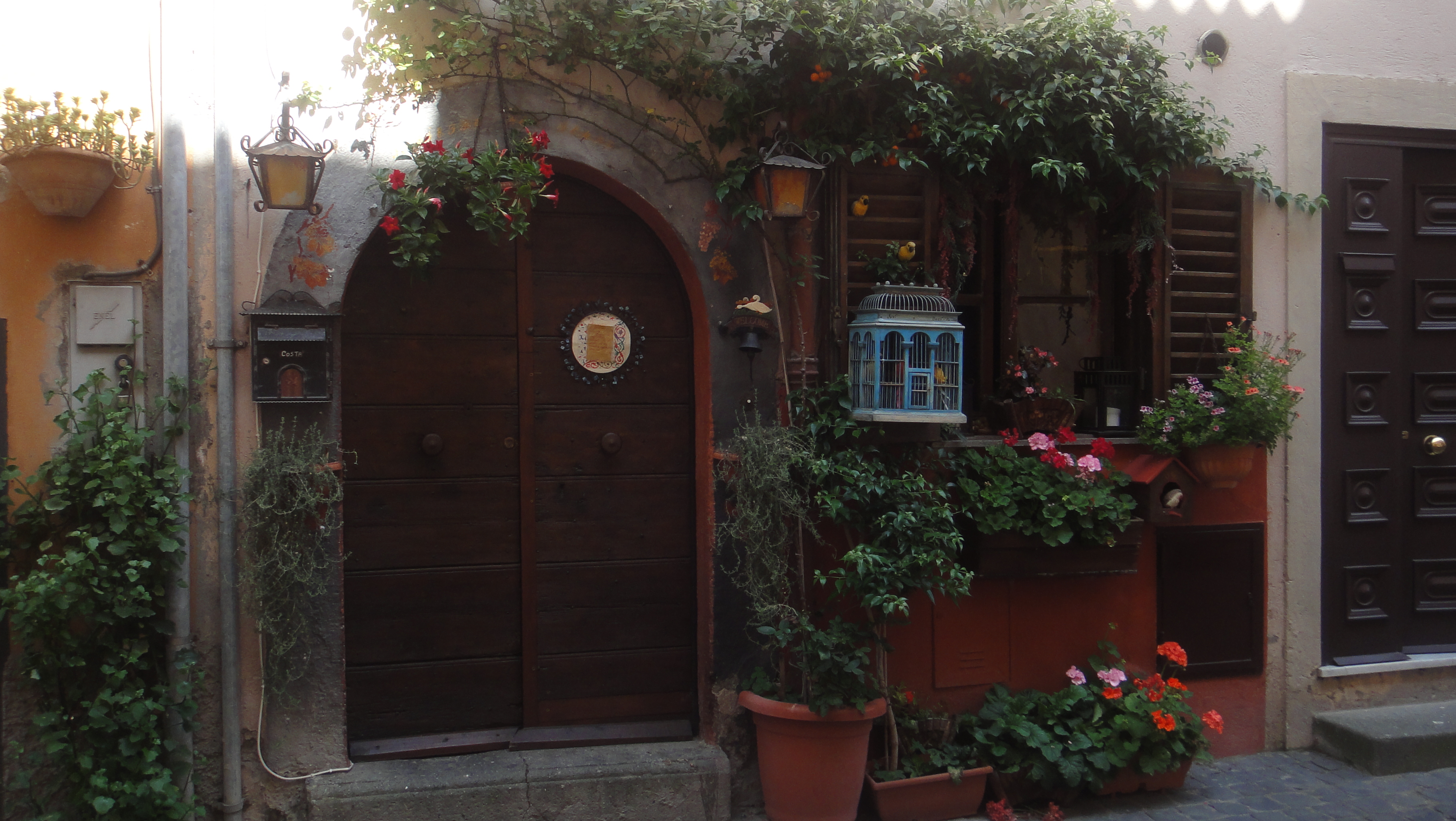
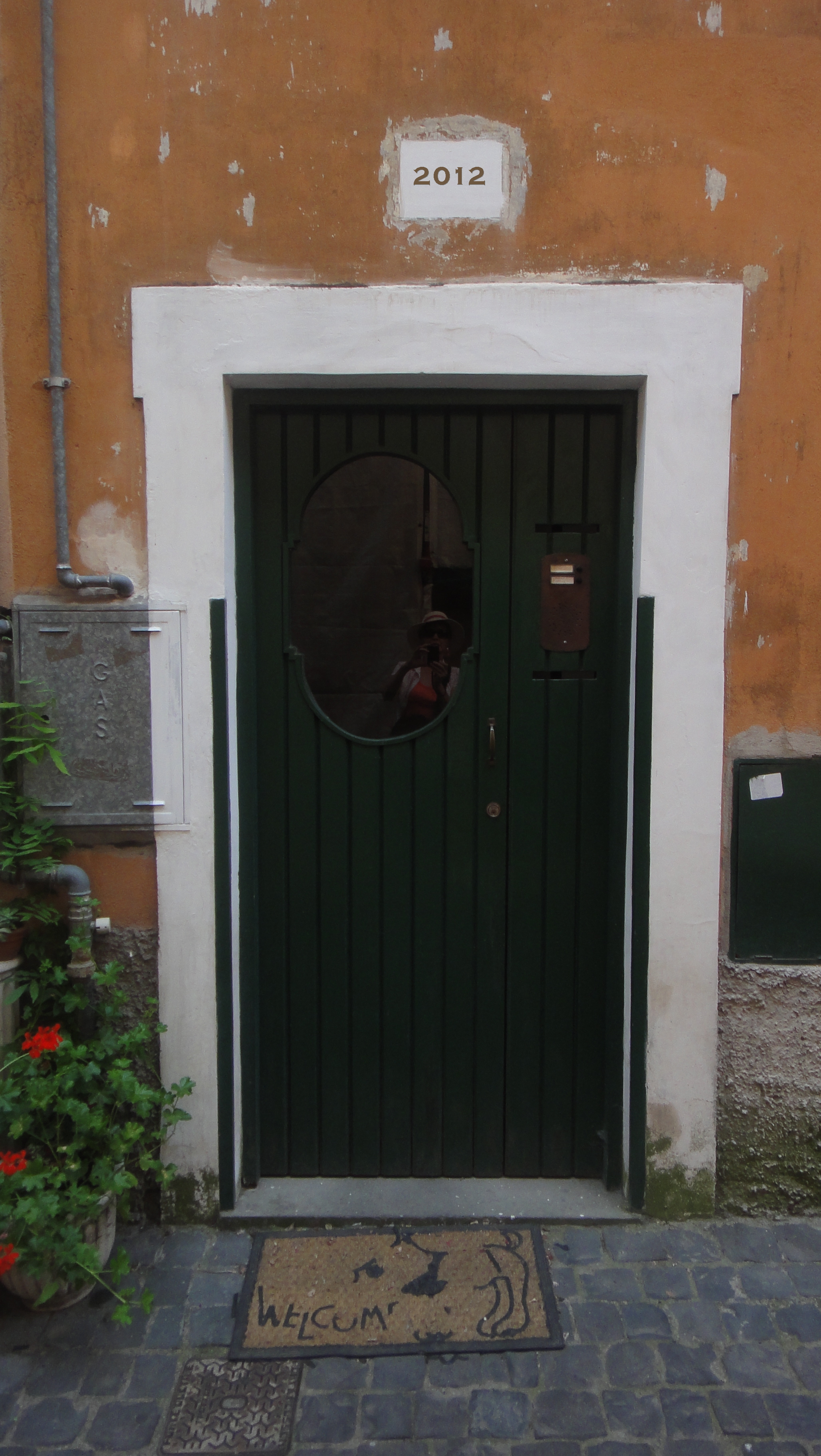
The first time I had the opportunity to go to Europe, I brought back lots of pictures. Everyone agreed that every other picture was great. No one liked the pictures of my finger, which is a bit of a camera hog (plus it never smiles). But what they objected to were all of the pictures of doors. “You went to Europe, and you took pictures of doors!”


I happen to like doors. So much hinges on them: they let us in from the cold and welcome us home, they hide our secrets, they keep us out and force us to find another way.  In honor of 2012, the new door into our future, here are a few of those photos and what they taught me.


Sometimes you have to knock. It can be intimidating.


Sometimes a small path leads to a big door.


Sometimes the door will already be open. Go in.


Sometimes you have to go further in, to search for the right door.


Sometimes the most beautiful door is barred. It often holds dead men’s bones. You will find a better door.


Sometimes the door that looks the least promising leads you home.


Sometimes the best door is the one that leads you out.


Sometimes the door is so narrow, only the soul can squeeze through.


Sometimes you have to choose. One door leads to another, so you will probably never go back to the other one. It’s okay.


Sometimes the smaller door will get you to the same place as the bigger one.


Sometimes inside and outside the door are equally pleasant. Enjoy your wait.


May you find a welcome mat at door 2012.

Double exposure

Standard

Double exposure: two lives in one world

Mother loved to read historical romances. She would find them at the Goodwill for ten cents apiece and bring home a stack. On almost every cover, a handsome, rugged-looking man held a beautiful woman in his arms. Sometimes the man wore a Civil War uniform and held a woman in a billowing dress. Other times he wore a royal crown and cape while he embraced his queen. Ripped bodices were optional.The historcial context varied, but the story never did: the search for love ended in someone’s arms.


She often sat on the gray couch in the living room to read. One summer day, I sat on the arm of the couch by her while she drank her can of beer and read. It must have been a day like the one in this photo. She was wearing shorts and a sleeveless blouse. I could see the blue spider veins in her thighs as she stretched her legs out on the coffee table.


I started reading the last words of each sentence to amuse myself and wanted to say something to her about it, but I didn’t want to disturb her. So I would read some of the words, then wait and listen for the soft slur of her finger on the paper as she turned the pages. I looked at her profile, her beautiful nose, straight and softly rounded at the tip; her lashes thick with mascara; and her lips, parted as if ready to sip from either her beer or her book; and I wondered if she even knew I was there.


Immersed in her book, she had no idea that I was  reading the words with her. Her books, I thought,  must hold some secret, one that she needed to be reminded of over and over, one embrace after another.


For the first time that I remember, I understood that we were completely separate beings, sharing the same space, our thoughts known only to ourselves. She knew nothing about the things my sister and I whispered while we were in bed at night, the forbidden sugar that I put on my cereal before anyone else awoke, and my fear of losing people. These and thousands of other thoughts belonged only to me. As I leaned on her arm and felt her warm skin next to mine, I realized that she, too, must have whispered things in the night to my father and done things in secret that no one else knew of besides her. Inside her head another world existed, one that I knew nothing about, that I would probably never know anything about.


I felt like I had just awoken from a deep sleep in a strange room, not knowing exactly where I was. Everyone lived a hidden life, unknown to anyone else, and words were all that we had to find one another. We stumbled in the dark, calling out, searching for the other, reaching out, always reaching out. And sometimes, if only in books, we found solace in someone’s embrace.


My head felt light and I wondered if I would fall off the couch. I leaned over, kissed mother on her forehead, and went outside into the sunshine looking for an adventure before the end of my childhood summer.